
Search
Showing results for "lung disease preterm"

Kids and families can get their hands dirty at Sunday’s Telethon Family Festival at RAC Arena, with The Kids Research Institute Australia showcasing some of its world-class research.

A study published in Science Advances has revealed that while genetics play a significant role in shaping children's immune systems, environmental factors also influence key immune responses, offering opportunity for preventing allergic diseases.
We reviewed literature and RettNet to explore firsthand perspectives of gastrointestinal issues in Rett Syndrome, then developed recommendations with experts.
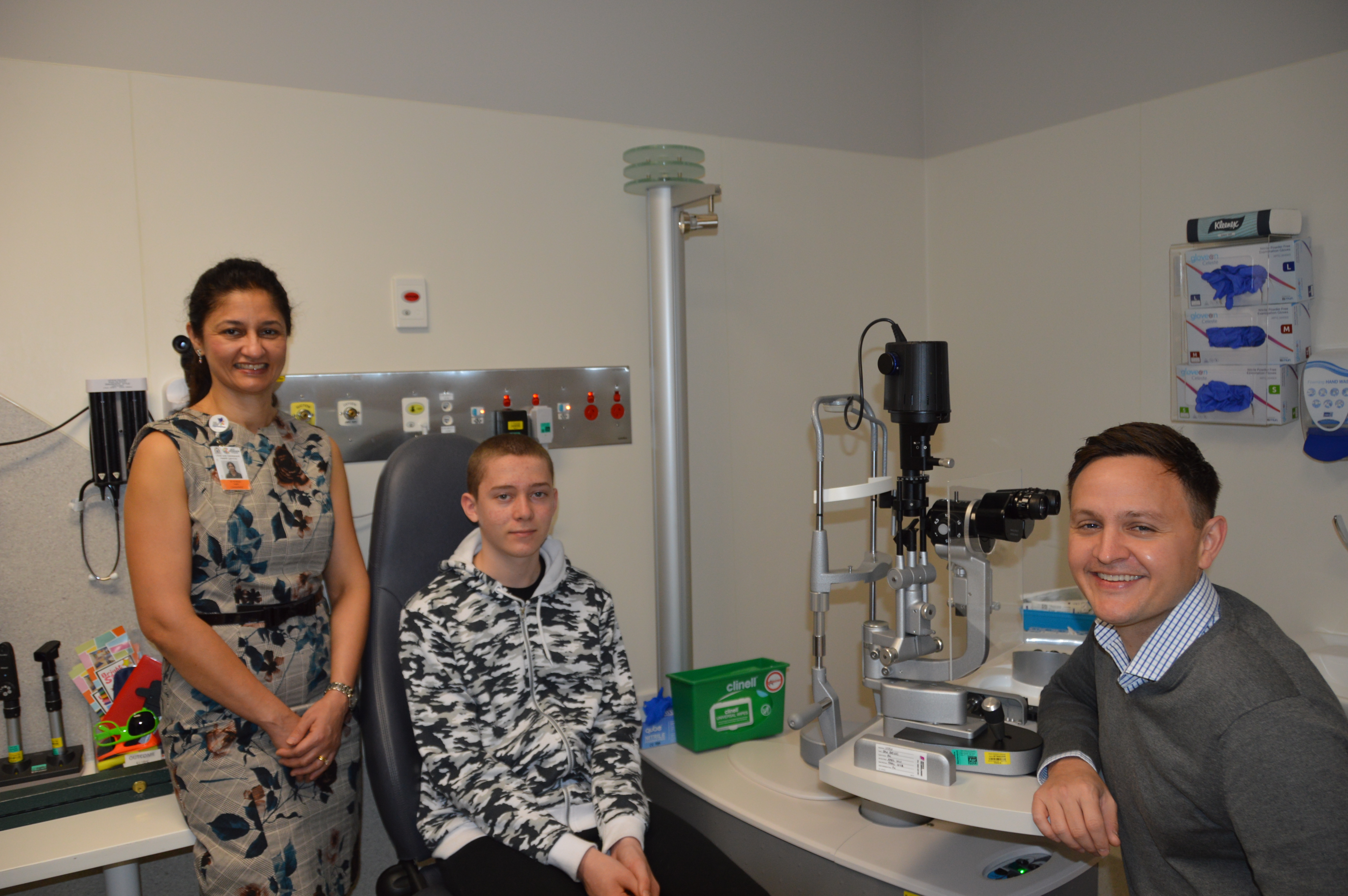
There's a new children’s clinic to revolutionise diabetic eye treatment here in WA. The clinic is a collaboration between the Lions Eye Institute and

During National Diabetes Week, we take a look at diabetes distress and what research the Children's Diabetes Centre is doing to improve the mental health and wellbeing of young people with diabetes and their families.

There’s a new face in Perth Children’s Hospital’s diabetes clinic – meet consultant paediatric endocrinologist Dr Craig Taplin! We asked Craig a few questions to help to get to know him better and find out what drew him to Perth.

It’s hard to believe that 20 years has passed since April Welsh, 5, was pictured with Professor Tim Jones in a story about type 1 diabetes research. Plenty has changed but one constant remains — Professor Jones still works for WA’s only paediatric diabetes service which celebrates its 50th year.

Teenage years can be a challenging time for families, a period made all the more difficult if a child has Type 1 Diabetes.
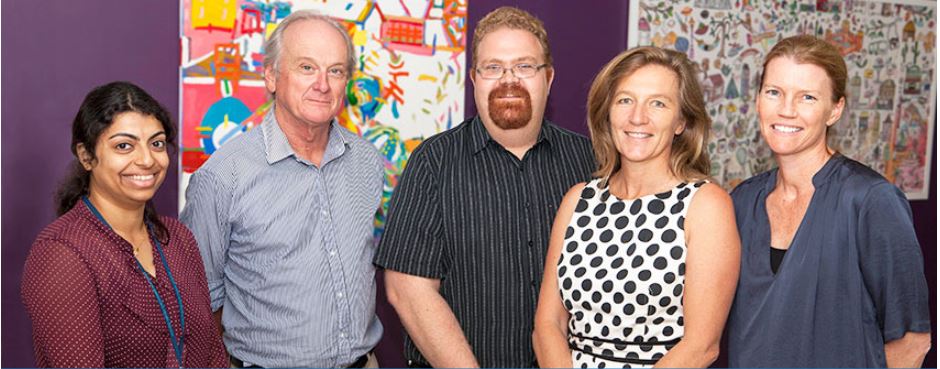
New research from the Children’s Diabetes Centre has found a pump that suspends insulin delivery when BGLs fall can halve the incidence of hypoglycaemia.
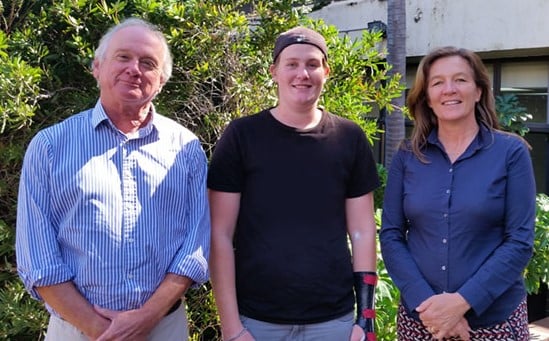
Meet Bianca Bertrand – she’s a glass half-full rather than half-empty person, always looking at the positives in life, especially when it comes to managing T1D