
Search
Showing results for "lung disease preterm"

New research from the Children’s Diabetes Centre has found a pump that suspends insulin delivery when BGLs fall can halve the incidence of hypoglycaemia.
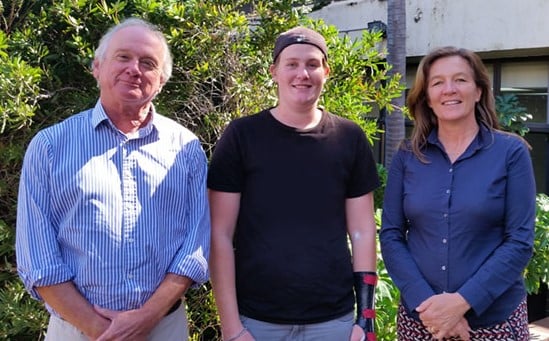
Meet Bianca Bertrand – she’s a glass half-full rather than half-empty person, always looking at the positives in life, especially when it comes to managing T1D

Among all the yoghurt options in the dairy aisle, how do you know if you are making a healthy choice?

West Coast Fever netball player Verity Charles is proof that living with T1D doesn't mean your sporting dream has to take a backseat to your condition
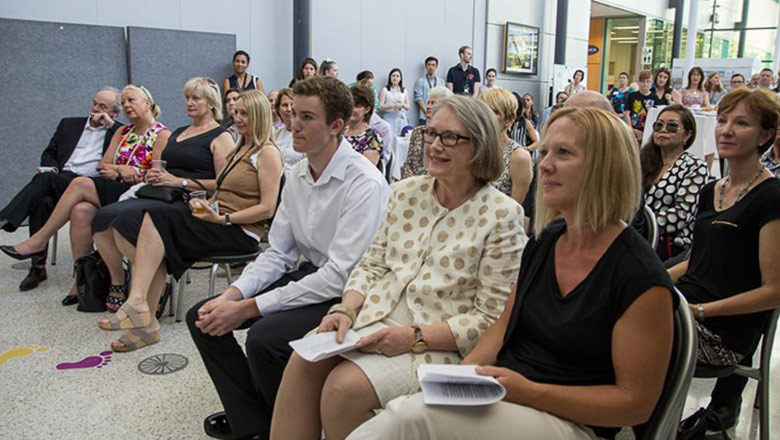
Research into childhood diabetes in Perth has been given a major boost with the launch of the WA Children's Diabetes Research and Education Centre for Research Excellence (CRE) on the eve of World Diabetes Day.

A study published in Science Advances has revealed that while genetics play a significant role in shaping children's immune systems, environmental factors also influence key immune responses, offering opportunity for preventing allergic diseases.
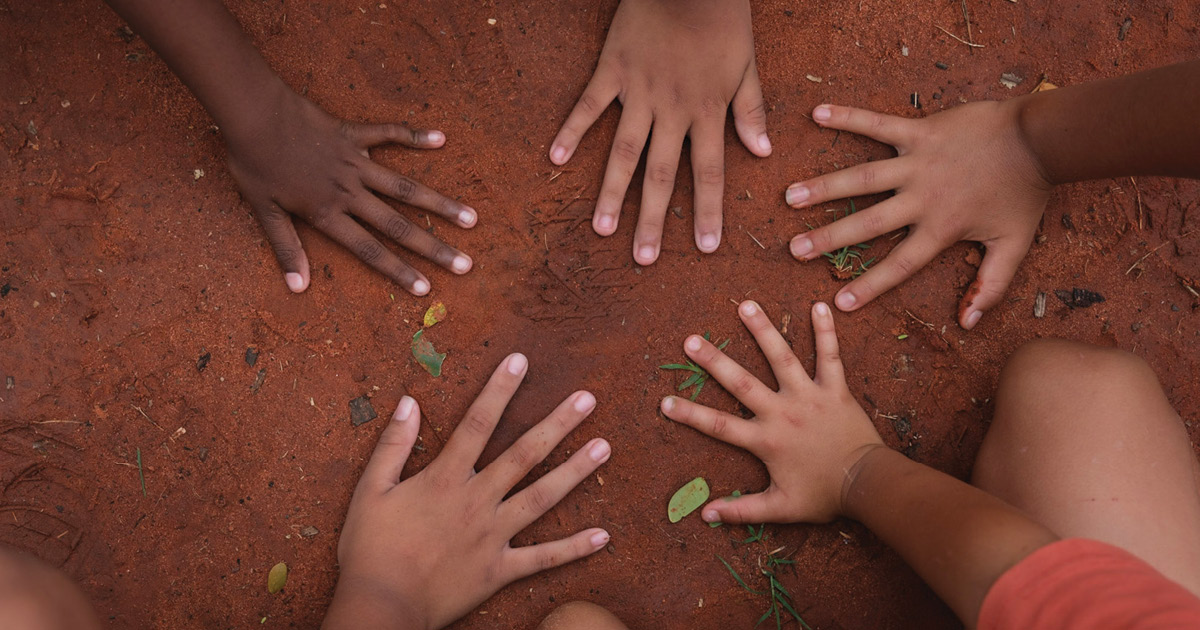
A Kimberley study seeking to better understand Strep A in remote settings is helping to guide new approaches to prevent acute rheumatic fever (ARF) – an auto-immune response that typically begins with a sore throat and causes high fever, tiredness and swollen joints.

For the first time this year, all Australian babies and children aged six months to four years will be entitled to have a free influenza vaccination.
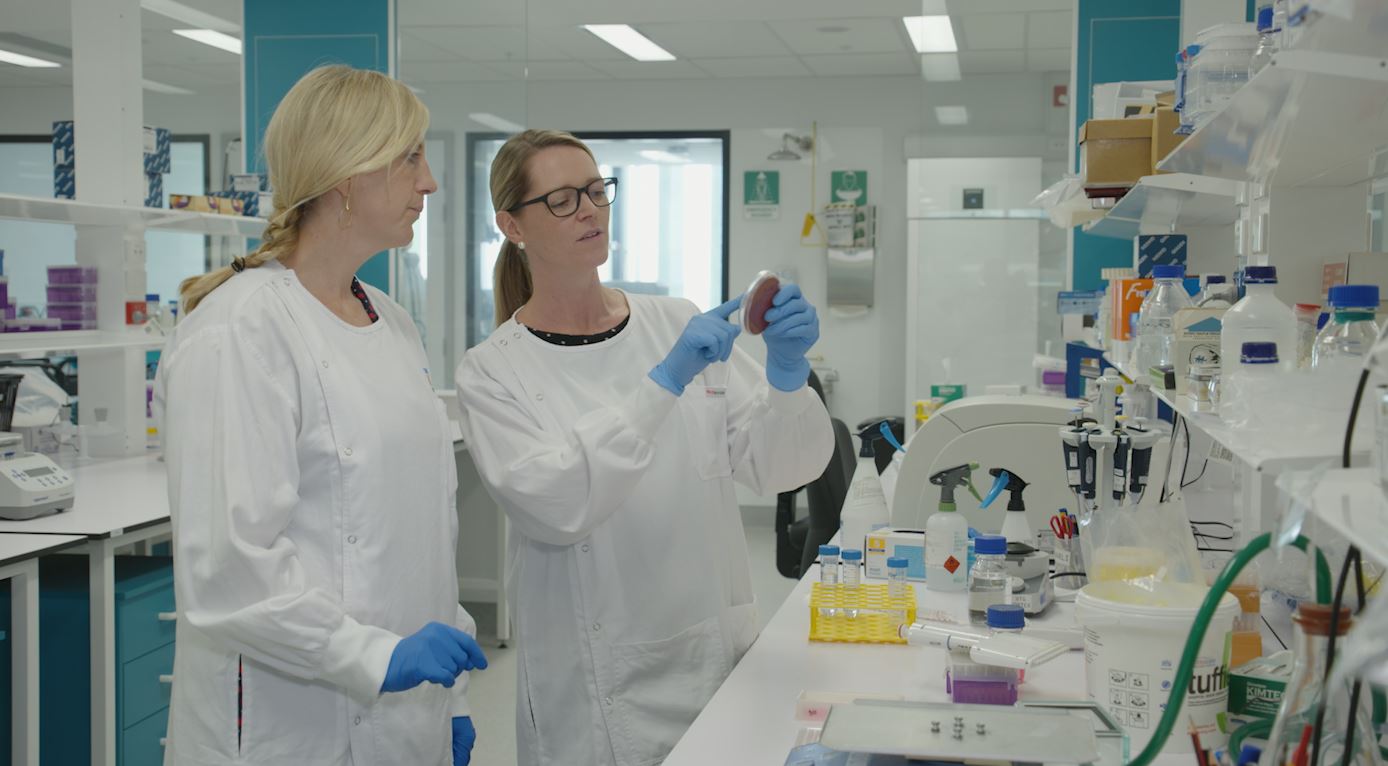
Wiping out childhood ear infections could become a reality thanks to new research identifying the main bacteria responsible for recurrent ear infections and repeat ear surgeries.

The Kids Research Institute Australia disability researcher, Associate Professor Helen Leonard, played an important role in the identification of the differences that define CDD, thanks to her extensive experience researching Rett syndrome and running an Australian online database tracking Rett cases.