
Search
Showing results for "lung disease preterm"
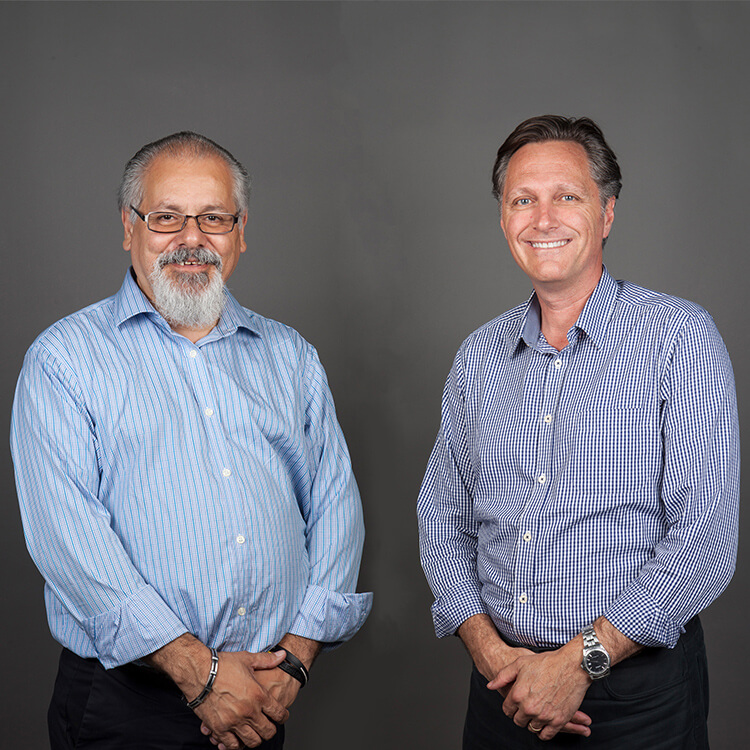
Two outstanding The Kids Research Institute Australia research leaders have been named finalists in the 2018 Western Australian of the Year Awards.
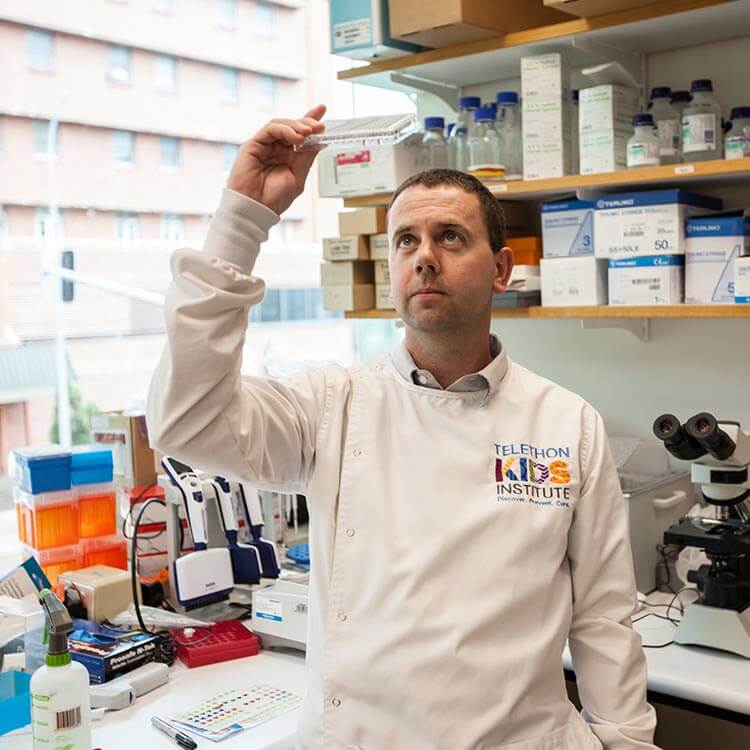
A The Kids Research Institute Australia researcher will investigate new ways to harness the body’s own immune system to fight melanoma, thanks to Cancer Council WA funding.
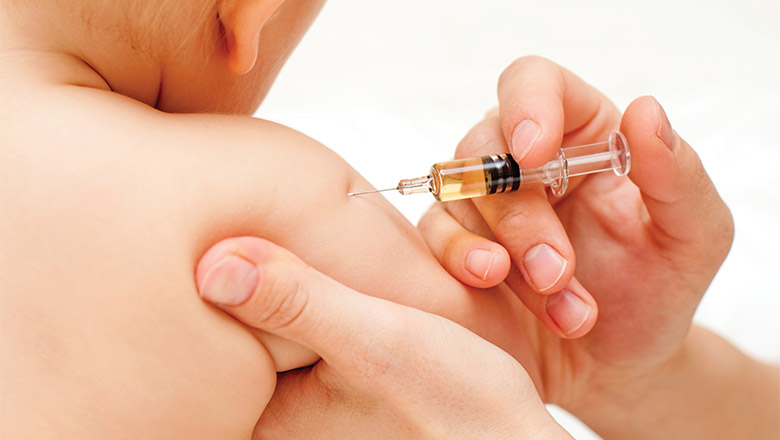
Toddlers will now get an additional whooping cough vaccine to protect them against the potentially deadly disease.
An extra whooping cough vaccination for babies comes as a result of work by researchers at the Wesfarmers Centre of Vaccines and Infectious Diseases.

Researchers at Perth's The Kids Research Institute Australia have begun a study that could provide new insights into the role of vitamin D in the risk of multiple sclerosis (
Cancer researchers at Perth's The Kids for Child Health Research have discovered a genetic pattern that predicts the likelihood of relapse
A state of the art 3D molecular imager that will help researchers monitor how brain tumours grow has been delivered to the Telethon Institute.
A study to investigate mental health and dietary patterns throughout childhood and into adolescence has received a $57,800 grant.
Child health expert Professor Fiona Stanley has welcomed today's commitment to proceed with mandatory fortification of food with folate.
Perth children are being asked to volunteer for an important national study to test the effectiveness of an influenza vaccine in children.