
Search

The Kids Discovery Centre is celebrating National Science Week 2020 (August 17-21) with several exciting programs

During National Diabetes Week, we take a look at diabetes distress and what research the Children's Diabetes Centre is doing to improve the mental health and wellbeing of young people with diabetes and their families.

A new ongoing Q & A series focusing on different research themes within the Children’s Diabetes Centre - focus: mental health and schools teams.

A new ongoing Q & A series focusing on different research themes within the Children’s Diabetes Centre - focus: exercise team.

Caring for a child with type 1 diabetes is challenging, and perhaps even more so when the child is a toddler. Mindful of this and considering the unique needs of families caring for very young children with type 1 diabetes, PCH's Diabetes Clinic is currently

With COVID-19 currently under control in WA, Perth Children's Hospital's diabetes Service is beginning to plan for a return to best practice face-to-face care in clinics in the coming months.
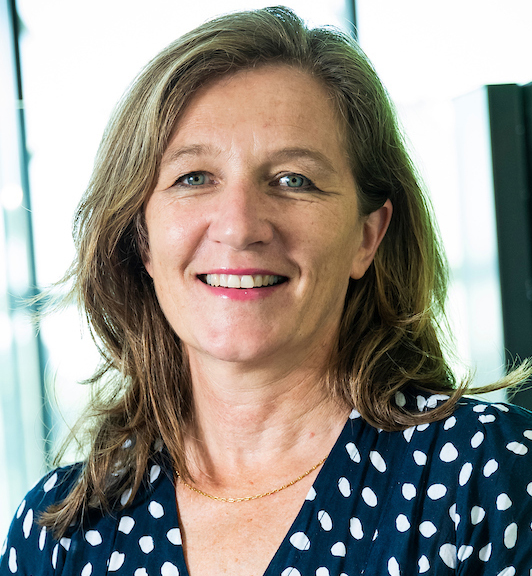
Did you catch Professor Liz Davis, co-director of the Children's Diabetes Centre and head of Perth Children's Hospital's endocrinology department, on RTR FM's Fitter Happier segment recently?

We have put together some activities that you can do while you’re at home with your family. It’s important to talk to your family about how you are feeling, and we hope these activities will encourage those conversations while having a bit of fun.

Doctors are urging parents not to risk their child becoming seriously ill by avoiding taking them to hospital or a GP surgery because of coronavirus. Story by The West Australian featuring Professor Liz Davis.

April Welsh loves a challenge. Diagnosed with diabetes just before turning 4, the 26-year-old recently she was part of a four-person team that conquered the Rottnest Channel 19.7km open water swim.