
Search
Showing results for "Childhood interstitial lung disease "
Investigating what risk does underlying trimethoprim resistance pose for the development of cotrimoxazole-resistant skin infections.
Researchers at The Kids Research Institute Australia are studying a new pneumococcal vaccine designed to provide a broader protection for 21 serotypes of the bacteria S. pneumoniae – 8 more serotypes than the current vaccine given to new babies.
Improving maternal gut health in pregnancy and lactation is a potential strategy to improve immune and metabolic health in offspring and curtail the rising rates of inflammatory diseases linked to alterations in gut microbiota. Here, we investigate the effects of a maternal prebiotic supplement (galacto-oligosaccharides and fructo-oligosaccharides), ingested daily from <21 weeks' gestation to six months' post-partum, in a double-blinded, randomised placebo-controlled trial.
Type 2 diabetes in young adults (nominally, 18–30 years of age) is a more aggressive condition than that seen in older age, with a greater risk of major morbidity and early mortality. This first Australian consensus statement on the management of type 2 diabetes in young adults considers areas where existing type 2 diabetes guidance, directed mainly towards older adults, may not be appropriate or relevant for the young adult population.

Enrolments for Australia’s first needle-free, gene-based COVID-19 vaccine study – to be led in WA by The Kids Research Institute Australia – are open.

We are studying exercise in young people with T2DM and obese young people at risk of developing type 2 diabetes
Investigating the effect of fat and protein content of a standardised carbohydrate meal on the post-prandial glycaemic response in children with type 1 diabetes
We know that place, location, and geography can all influence health, wellbeing, and disease, and thus are important factors in policy development and service planning.
ORIGINS named in multi-million investment towards child health
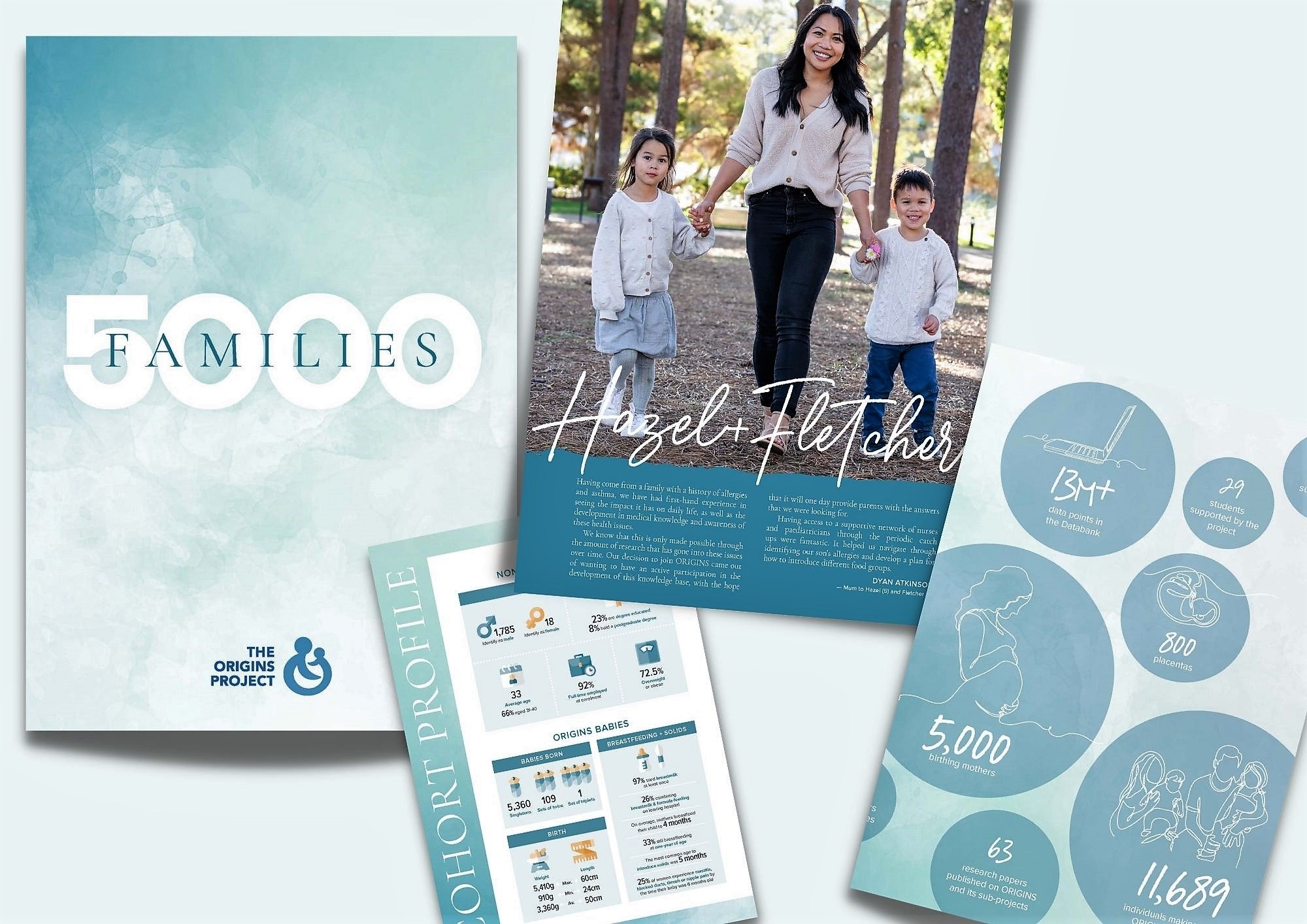
ORIGINS released a milestone document this week, celebrating our families.