
Search
Showing results for "early lung health"
Respiratory syncytial virus contributes to significant global infant morbidity and mortality. We applied a previously developed statistical prediction model incorporating pre-pandemic RSV testing data and hospital admission data to estimate infant RSV-hospitalizations by birth month and prematurity, focused on infants aged <1 year.
The Repetitive Behaviours Questionnaire for Adults (RBQ-2A) measures two factors of restricted and repetitive behaviours (RRBs) associated with autism. However, the Diagnostic and Statistical Manual of Mental Disorders (DSM-5) provides four criteria for RRBs: repetitive motor behaviours, insistence on sameness, restricted interests, and interest in sensory aspects of the environment (or atypical sensitivity).
Individuals exhibiting pronounced autistic traits (e.g., social differences and specialised interests) may struggle with cognitive empathy (i.e., the ability to infer others' emotions), although the relationship with affective empathy (i.e., the ability to share others' emotions) is less clear in that higher levels of autistic traits may be linked with increased affective empathy for negative emotions but reduced affective empathy for positive emotions. The current study investigates this empathy profile and whether alexithymia and emotion dysregulation help to explain it.
In comparisons between mutant and wild-type genotypes, transcriptome analysis can reveal the direct impacts of a mutation, together with the homeostatic responses of the biological system. Recent studies have highlighted that, when the effects of homozygosity for recessive mutations are studied in non-isogenic backgrounds, genes located proximal to the mutation on the same chromosome often appear over-represented among those genes identified as differentially expressed.
The heterogeneity of autism spectrum disorder clinically and aetiologically hinders intervention matching and prediction of outcomes. This study investigated if the behavioural, sensory, and perinatal factor profiles of autistic children could be used to identify distinct subgroups. Participants on the autism spectrum aged 2 to 17 years and their families were sourced via the Australian Autism Biobank.
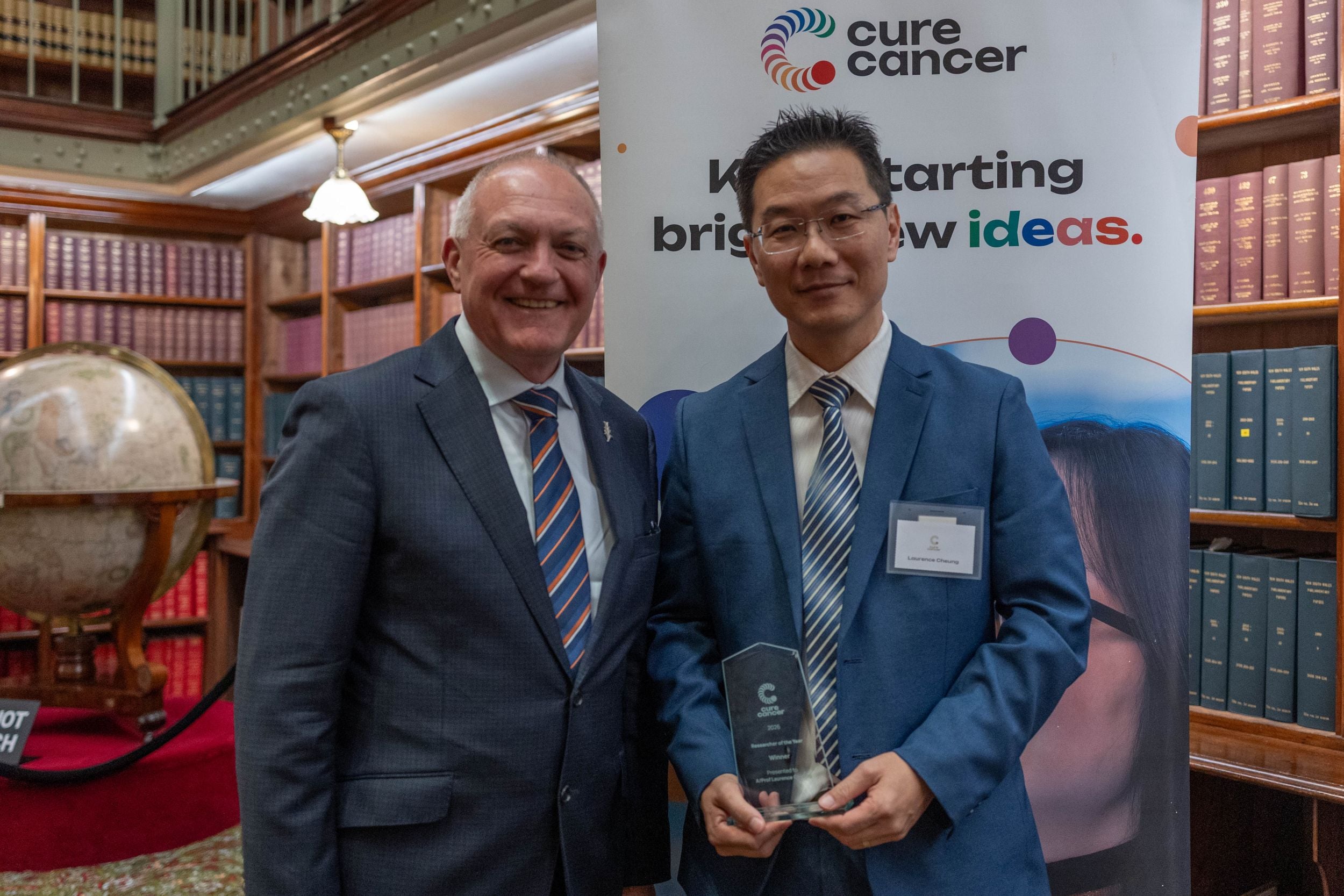
A leading WA cancer researcher has been named the Cure Cancer 2026 Researcher of the Year for his groundbreaking work in paediatric leukaemia.
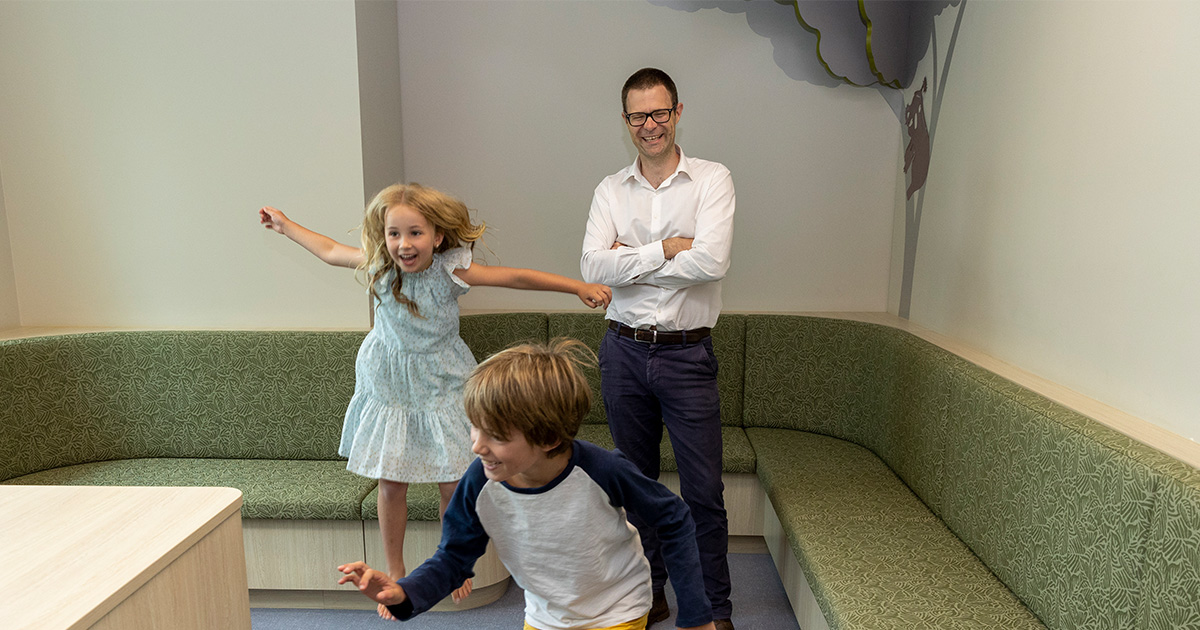
The Kids Research Institute Australia's Professor Andrew Whitehouse and Sarah Pillar share four things families can do to support their child while waiting to receive an ADHD or autism diagnostic assessment.
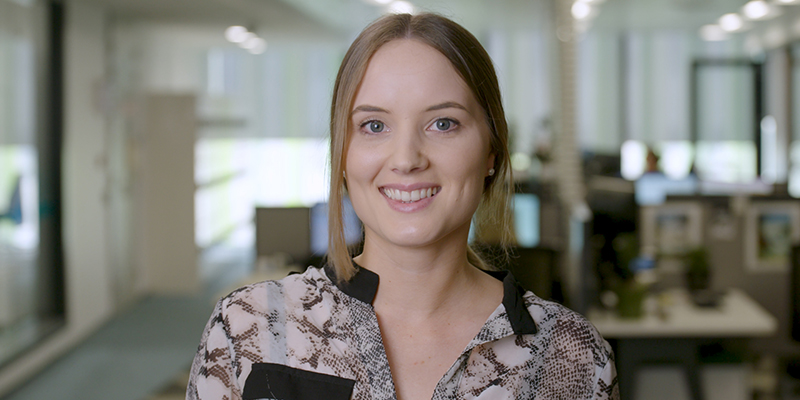
The Kids Research Institute Australia researcher Hayley Passmore will use a prestigious Churchill Fellowship to investigate better ways to support young people in detention who are affected by neurodisability.
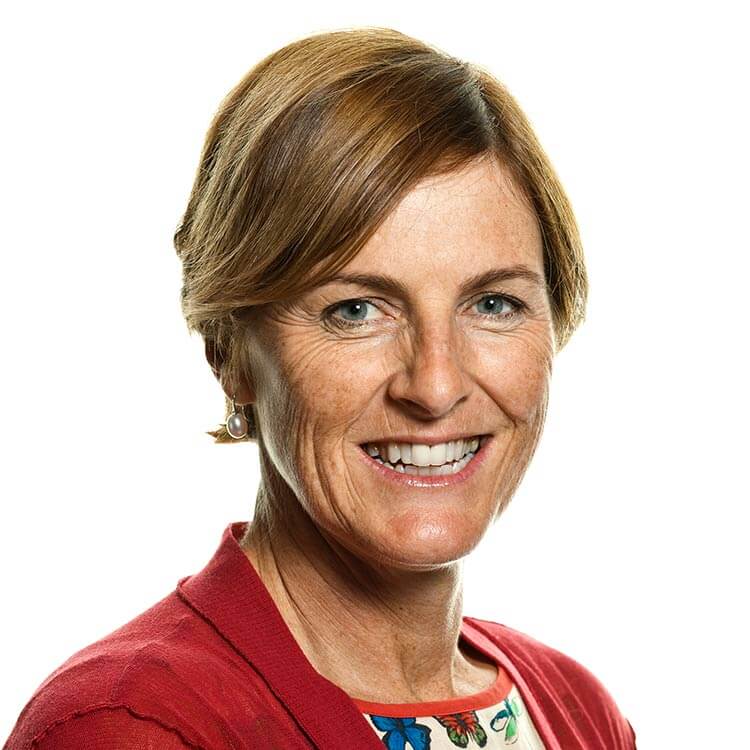
Professor Cate Taylor, is part of an International cohort of researchers to secure over €1.45million in grant funding from the EU’s Horizon 2020 programme.
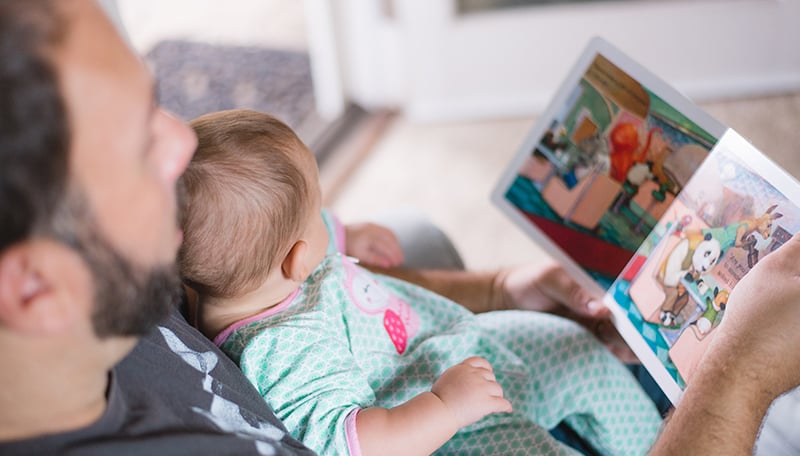
Reading to your child is one of the easiest, most enjoyable activities you can do as a parent or caregiver.