Skip to content

Search

Showing results for "lung disease preterm"

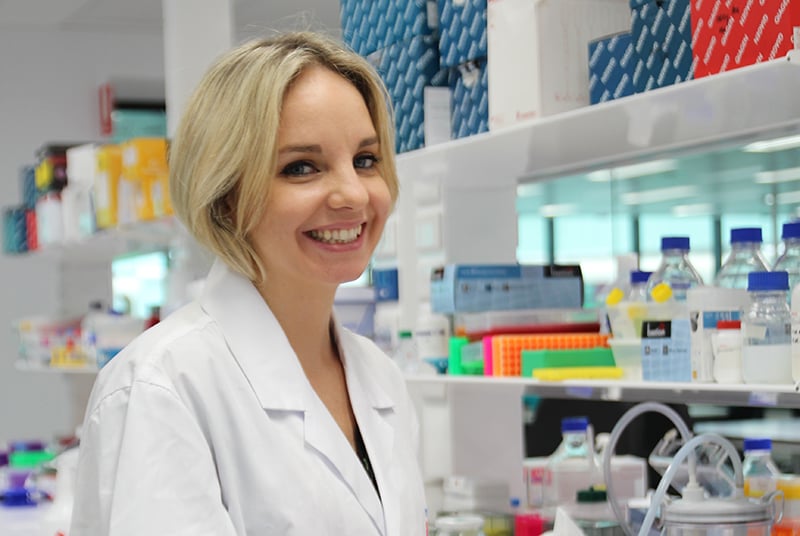
How growing up disadvantaged set Isabelle Adams on a path to help others

To celebrate NAIDOC week we sat down with Isabelle Adams, the coordinator of The Kids Research Institute Australia's Kulunga Aboriginal Research Development Unit (KARDU).

Wideband Absorbance Among Aboriginal and/or Torres Strait Islander and Non-Aboriginal Children With Suspected Otitis Media Living in an Australian Urban Area

Otitis media (OM) is a significant health concern, particularly among Aboriginal and/or Torres Strait Islander children who experience one of the highest rates of OM globally. This study aimed to evaluate the use and differences of wideband absorbance at ambient pressure (WBA) among urban Aboriginal and/or Torres Strait Islander and non-Aboriginal children with suspected OM based on standard tympanometry.

The Koolungar (Children) Moorditj (Strong) Healthy Skin Project Part I: Conducting First Nations Research in Pediatric Dermatology

Integrating First Nations knowledge systems and Western research methodologies recognizes the strength, experience, and insight of First Nations peoples in addressing health issues in their communities. In research, this includes projects being led by First Nations Elders and peoples, including First Nations researchers in the team, and collecting data in ways that reflect First Nations ways of knowing, being, and doing.

Time-course RNAseq data of murine AB1 mesothelioma and Renca renal cancer following immune checkpoint therapy

Time-critical transcriptional events in the immune microenvironment are important for response to immune checkpoint blockade (ICB), yet these events are difficult to characterise and remain incompletely understood. Here, we present whole tumor RNA sequencing data in the context of treatment with ICB in murine models of AB1 mesothelioma and Renca renal cell cancer. 

Study Protocol for a Stepped-Wedge Cluster (Nested) Randomized Controlled Trial of Antenatal Colostrum Expression (ACE) Instruction in First-Time Mothers: The ACE Study

Although many mothers initiate breastfeeding, supplementation with human-milk substitutes (formula) during the birth hospitalization is common and has been associated with early breastfeeding cessation. Colostrum hand expressed in the last few weeks before birth, known as antenatal colostrum expression (ACE), can be used instead of human-milk substitutes. However, evidence is lacking on the efficacy of ACE on breastfeeding outcomes and in non-diabetic mothers. 

Clinical utility of the parent listening and understanding measure (PLUM) for Aboriginal and/or Torres Strait Islander and non-Aboriginal children with otitis media living in urban areas

This study evaluated the clinical utility of the Parent Listening and Understanding Measure (PLUM) questionnaire as a potential screening tool for otitis media (OM) and associated hearing loss in Aboriginal and/or Torres Strait Islander and non-Aboriginal children.

Bacillus Cereus Bacteremia and Multiple Brain Abscesses During Acute Lymphoblastic Leukemia Induction Therapy

Bacillus cereus can cause serious infections in immunosuppressed patients. This population may be susceptible to B. cereus pneumonia, bacteremia, cellulitis,...

The Impact of Waiting Times on Behavioral Outcomes for Children with Otitis Media: Results from an Urban Ear, Nose, and Throat Telehealth Service

Children with otitis media (OM) experience long waiting times to access Australia's public hospitals due to limited capacity. The aim of this article is to utilize an Ear, Nose, and Throat (ENT) telehealth service (the Ear Portal) to examine whether delayed access to specialist care is associated with poorer behavioral outcomes for children with OM.

From signalling pathways to targeted therapies: unravelling glioblastoma’s secrets and harnessing two decades of progress

Glioblastoma, a rare, and highly lethal form of brain cancer, poses significant challenges in terms of therapeutic resistance, and poor survival rates for both adult and paediatric patients alike. Despite advancements in brain cancer research driven by a technological revolution, translating our understanding of glioblastoma pathogenesis into improved clinical outcomes remains a critical unmet need.