
Search
Showing results for "Childhood interstitial lung disease "
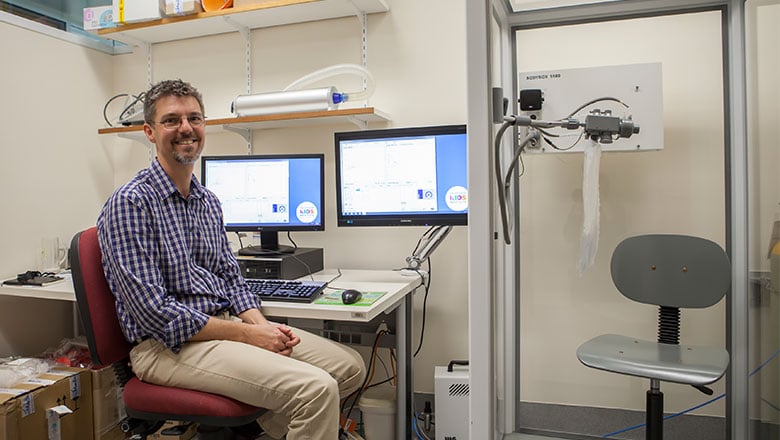
Professor Graham Hall is looking at the effect of air travel on premature babies, with his research already contributing to international guidelines.
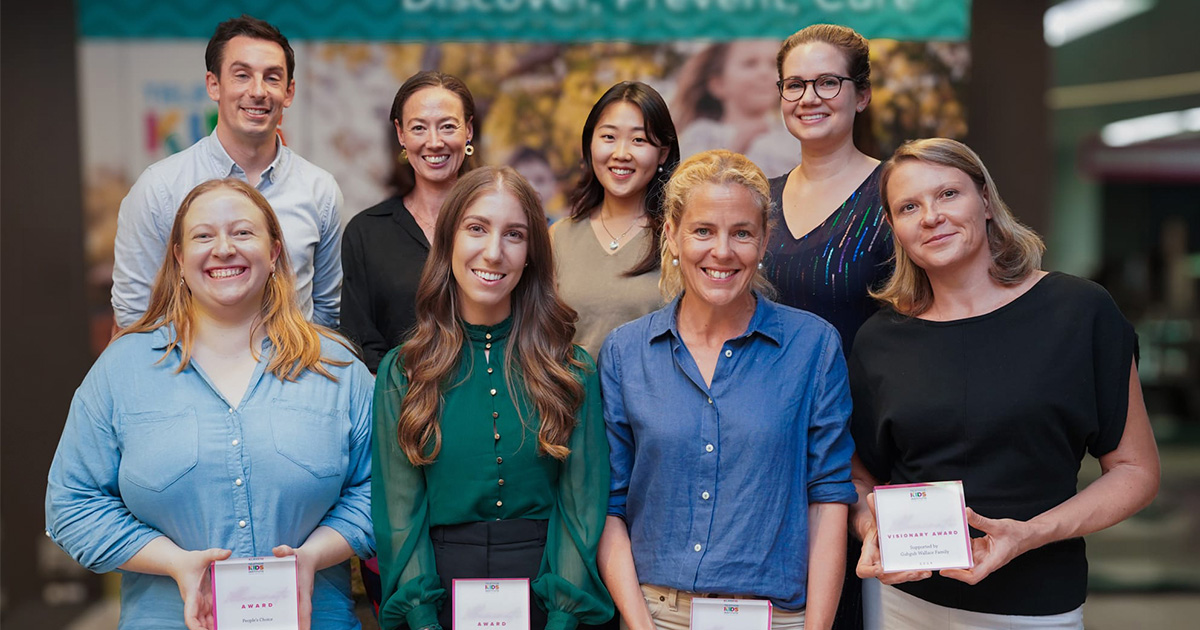
Earlier this week ten emerging researchers took to the stage to pitch their projects to a room full of excited and engaged philanthropists who share our vision of happy, healthy kids.

The vision of the Perioperative Medicine Team is to make discoveries that will improve children’s perioperative care and lead to global practice change.
Everything you need to know to book tickets to our upcoming school holiday workshops in July held at Scitech!
Everything you need to know to book tickets to our upcoming school holiday workshops in April held at Scitech!

Our team uses AI to quickly analyse large amounts of genetic data to help discover alternate medications and improve existing treatments.

The Kids Research Institute Australia welcomes the Federal Government's stringent vaping reforms that took effect on 1 July 2024.
Recent studies report conflicting results regarding the relationship between labour epidural analgesia (LEA) in mothers and neurodevelopmental disorders in their offspring. We evaluated behavioural and neuropsychological test scores in children of mothers who used LEA.
Previous studies have reported that mode of delivery, particularly cesarean delivery is associated with neurodevelopmental outcomes in children. This study evaluates behavioral and neuropsychological test scores in children based on mode of delivery.
ORIGINS is a new birth cohort study, collecting detailed information about the early environment's influence on a broad range of non-communicable diseases