
Search
Showing results for "Childhood interstitial lung disease "
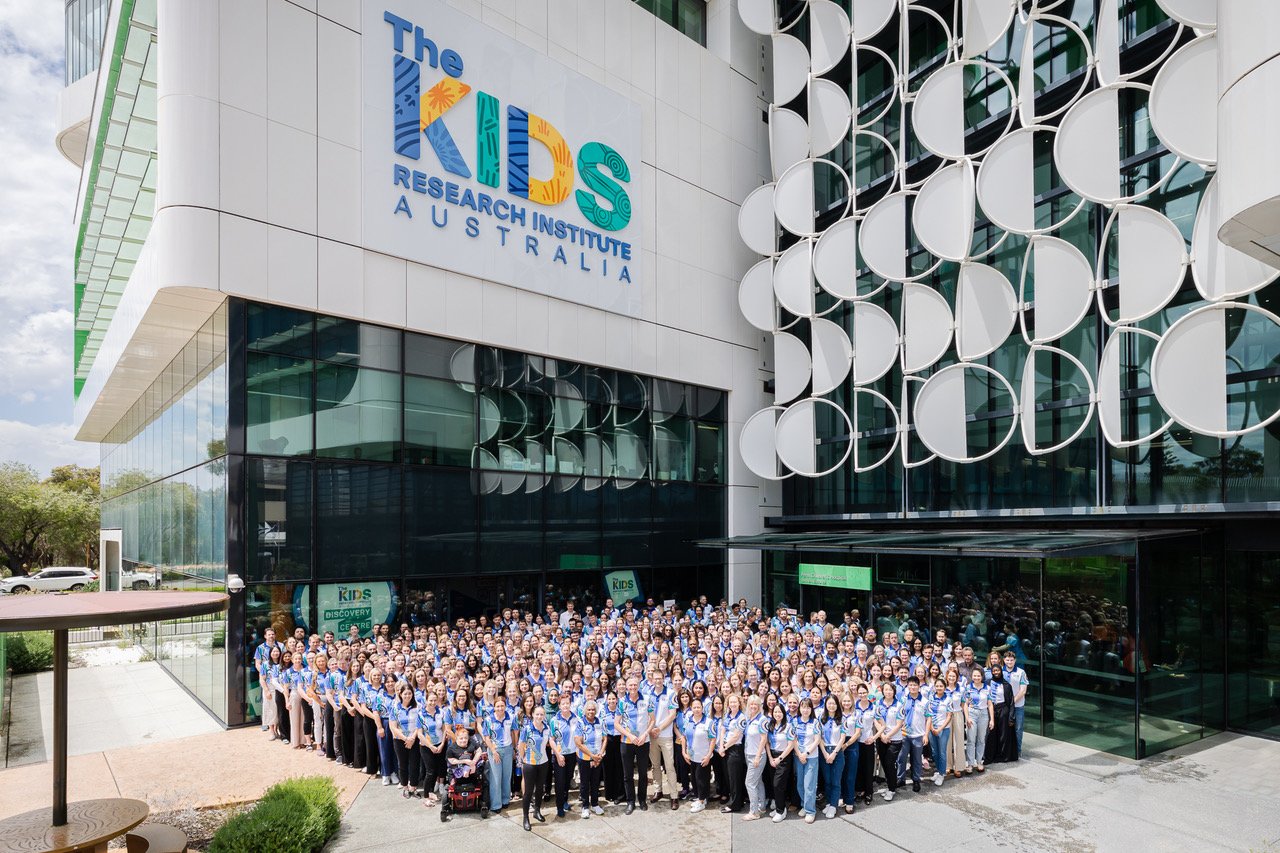
Last week, The Kids Research Institute Australia celebrated a remarkable milestone – 35 years of bold ideas, groundbreaking research, and the people who find answers to the big questions about better health outcomes for children and families.
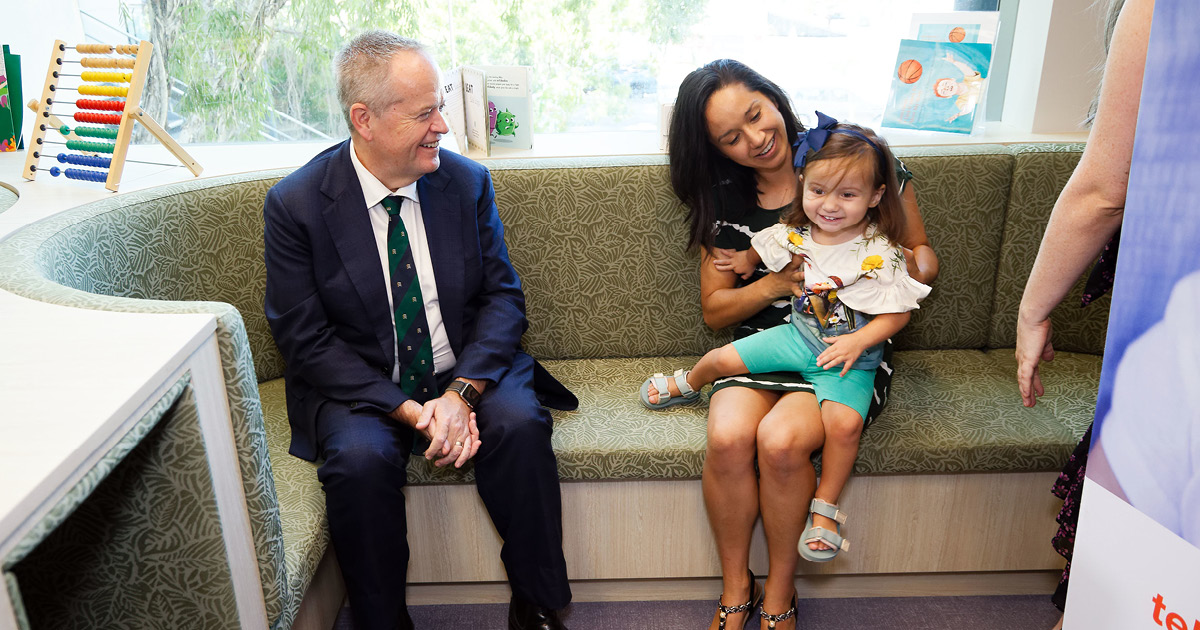
A world-first program for babies with differences in their social and communication skills is aiming to help parents and caregivers better understand the different ways their child communicates.
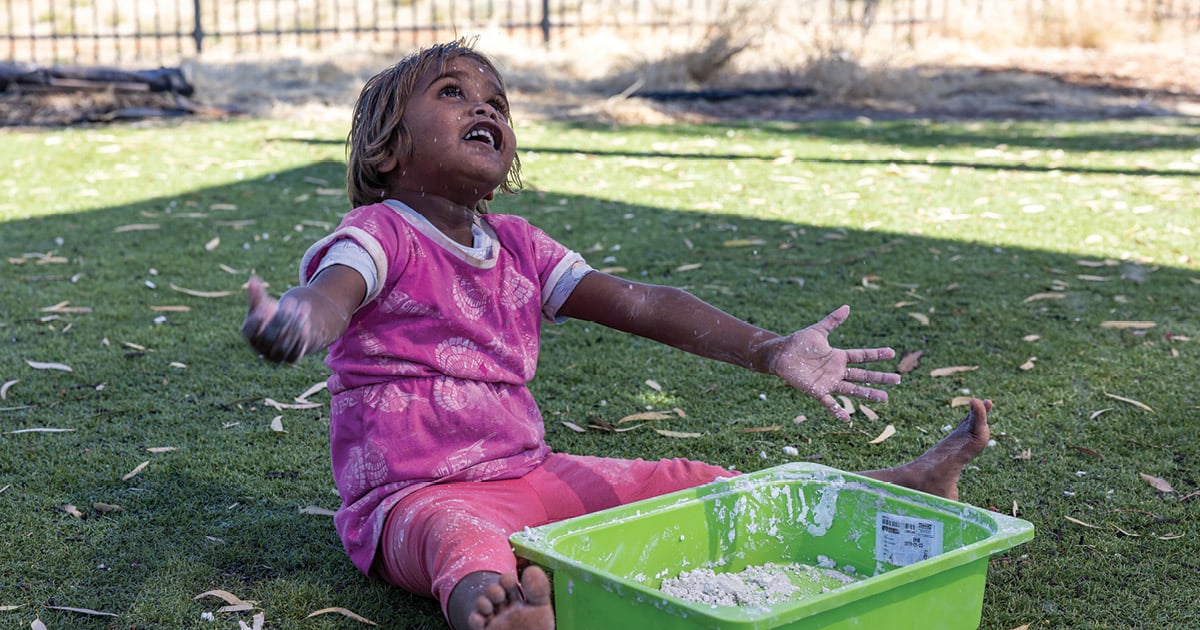
A unique initiative is combining research, action and advocacy to deliver evidence- based improvements to the health and wellbeing of Aboriginal families in Perth and Western Australia’s north west.

The BioMood project will study how following a Mediterranean diet during pregnancy affects the gut microbiome, metabolism, and inflammation, with the expectation that it will promote a healthier microbiome and better mental health.
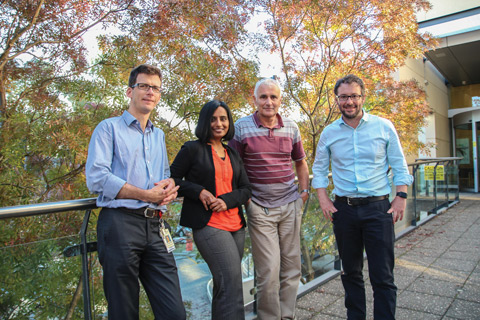
In 2010, a large number of children experienced febrile convulsions after receiving the FluVax vaccination and many parents began to question its safety.
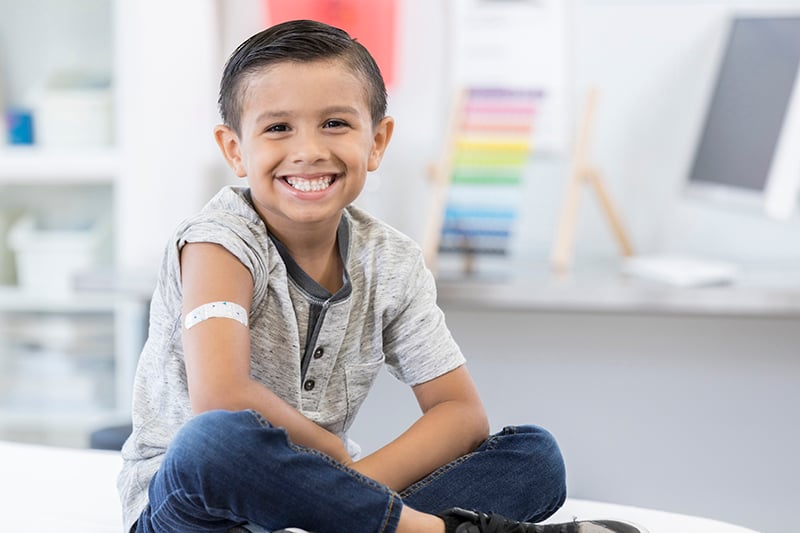
Up to 40,000 influenza cases could be prevented in Western Australia this winter if more primary school-aged children were vaccinated, researchers at The Kids Research Institute Australia have found.
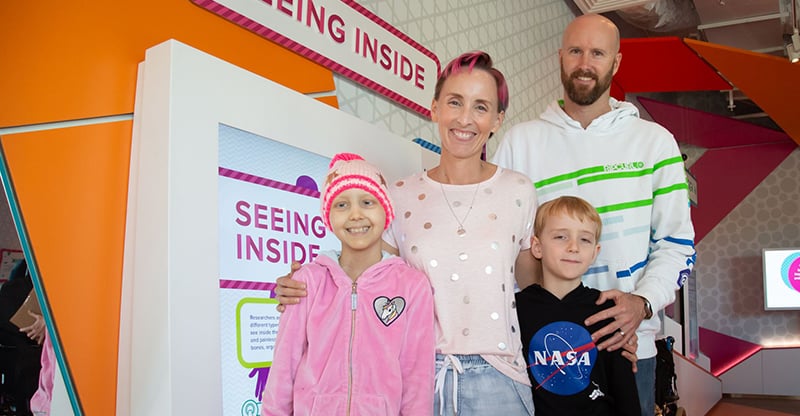
Getting the chance to play researcher for the day was a welcome change for Tilly Bignell, who has been in and out of hospital since being diagnosed with brain cancer in late 2018.
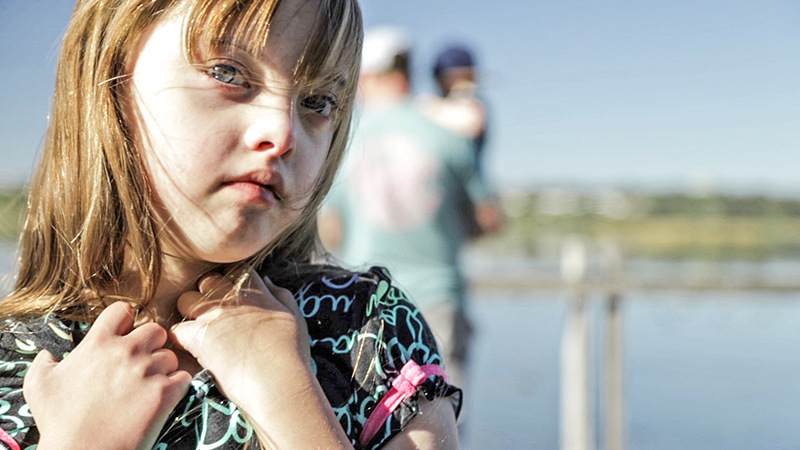
Eight-year-old Mikayla is the miracle child her parents never thought they would have. They’d tried for seven years to have a baby, and when Mikayla was finally born they couldn’t contain their excitement or pride. The fact she had Down syndrome was secondary.
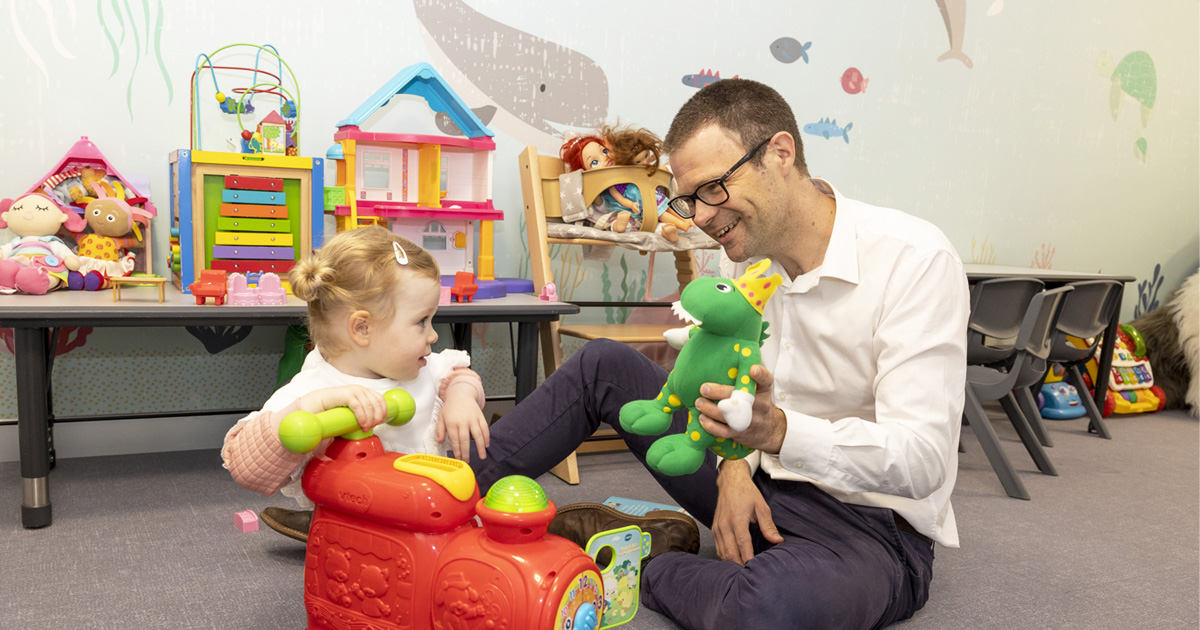
The Kids Research Institute Australia welcomes today’s Federal Government announcement of a new pilot program to support babies showing early social communication differences in Western Australia.
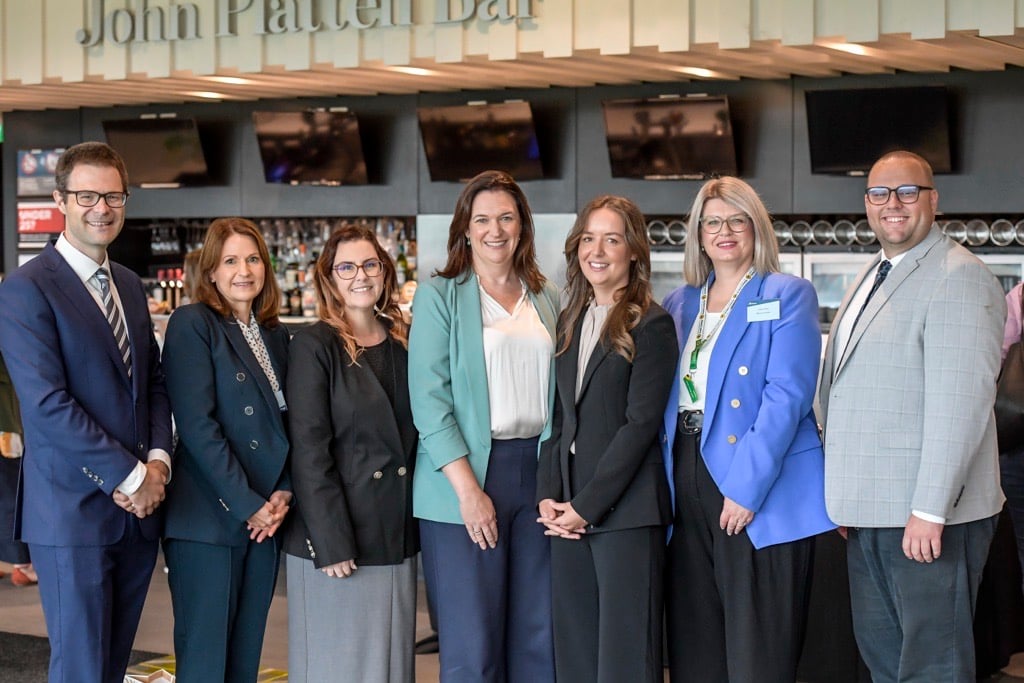
South Australian families with babies showing early social and communication differences will be among the first to benefit from a nation-leading early support program, as The Kids Research Institute Australia’s Inklings Program officially launches in South Australia.