
Search
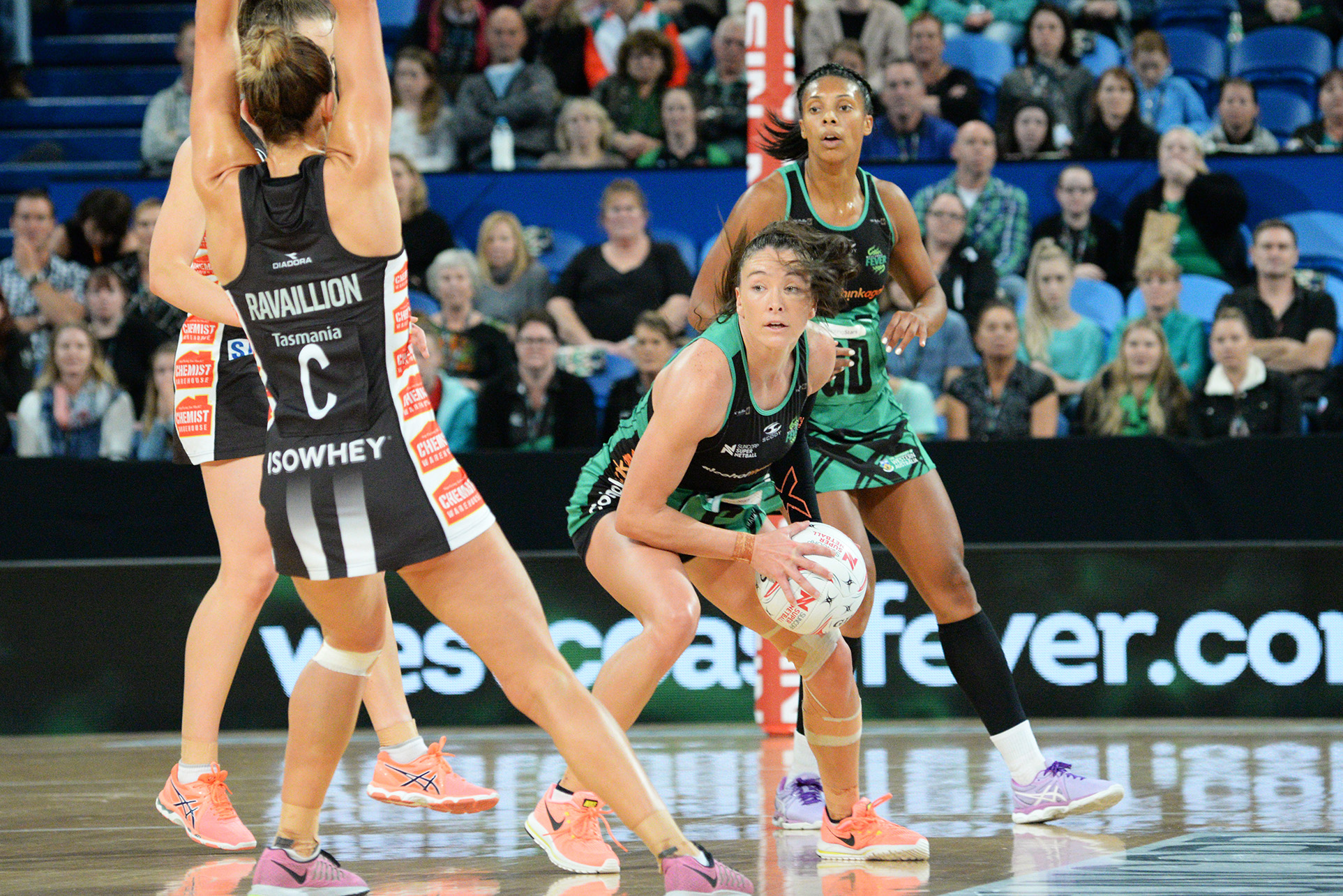
West Coast Fever netball player Verity Charles is proof that living with T1D doesn't mean your sporting dream has to take a backseat to your condition
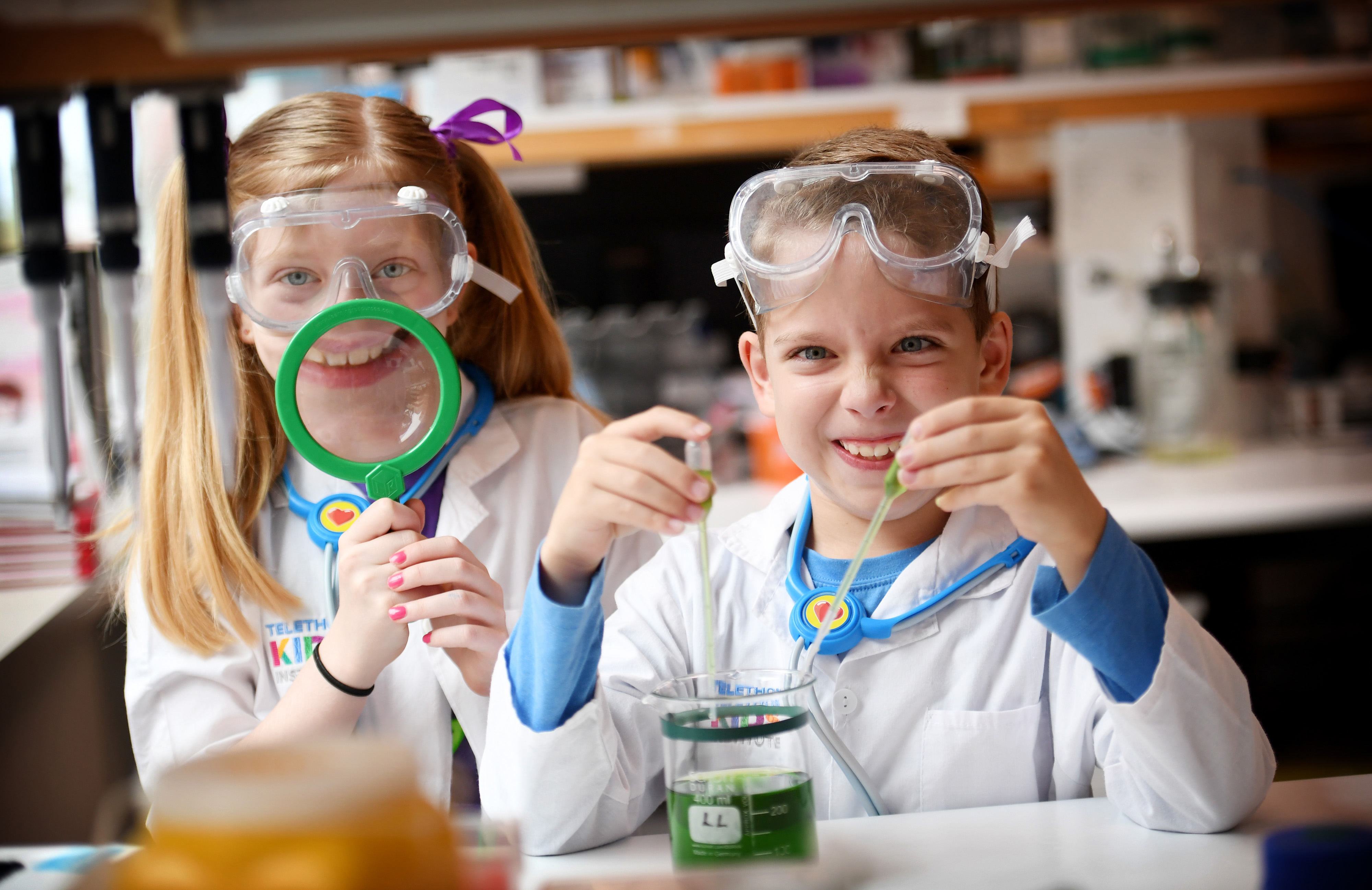
The Kids Research Institute Australia’s Discover Day is on again and this year it’s bigger and better than ever.

The PMH Diabetes and Endocrinology clinic is seeking donations of old Apple and android devices to pass on to families for CGM.

With more families using continuous glucose monitoring, many people are asking what they can do to reduce the rise in glucose levels after meals.
When Josh Wulf’s son was diagnosed with Type 1 Diabetes, little did he know that one day he would be helping other T1D families manage the condition.

Diabetes WA is looking for volunteers to take part in the PMH and Diabetes WA Camp for 9 and 10 year olds in Hillarys in September.
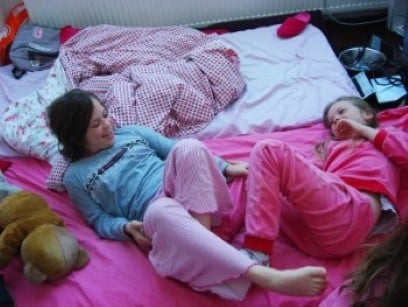
A big part of being a kid is having sleepovers at friend’s places but often children with diabetes miss out.
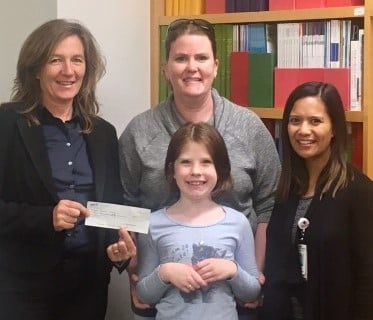
When Meghan Bunter’s daughter was first diagnosed with diabetes, she felt overwhelmed not only with Ella’s diagnosis but also the flood of donation requests.
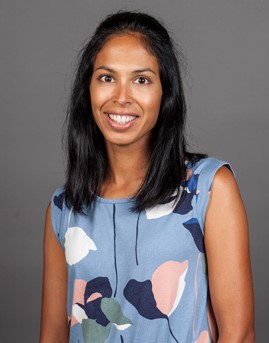
After nearly two-and-a-half years in sunny Perth, Dr Tarini Chetty is headed back home to Scotland. Before she departs our shores.

Researchers are on the hunt for young people with Type 1 Diabetes to participate in a short at-home trial looking at insulin and carbs.