
Search
Jonathan Judy Alex Jeffrey Rosemary Carapetis AM Katzenellenbogen Brown Cannon Wyber AM MBBS FRACP FAFPHM PhD FAHMS BSc (Occ Ther) BSc Hons (
Jonathan Rosemary Carapetis AM Wyber AM MBBS FRACP FAFPHM PhD FAHMS MBChB MPH FRACGP PhD Co-Head, Strep A Translation; Co-Founder of REACH Senior
Alexithymia is characterised by difficulties identifying and describing feelings, as well as a lack of focus on feelings. Alexithymia is a transdiagnostic risk factor for developing a wide array of psychopathologies, such as anxiety and depression, with a key hypothesised mechanism being the impairing impact of alexithymia on emotion regulation competency. However, no study has tested whether difficulties with emotion regulation mediate the link between alexithymia and psychopathological symptoms using longitudinal designs.
Clostridioides (Clostridium) difficile transmission between community and healthcare settings has been increasingly reported. We aimed to identify the prevalence and molecular epidemiology of C. difficile colonising adolescents and non-hospitalised children in Cambodia.
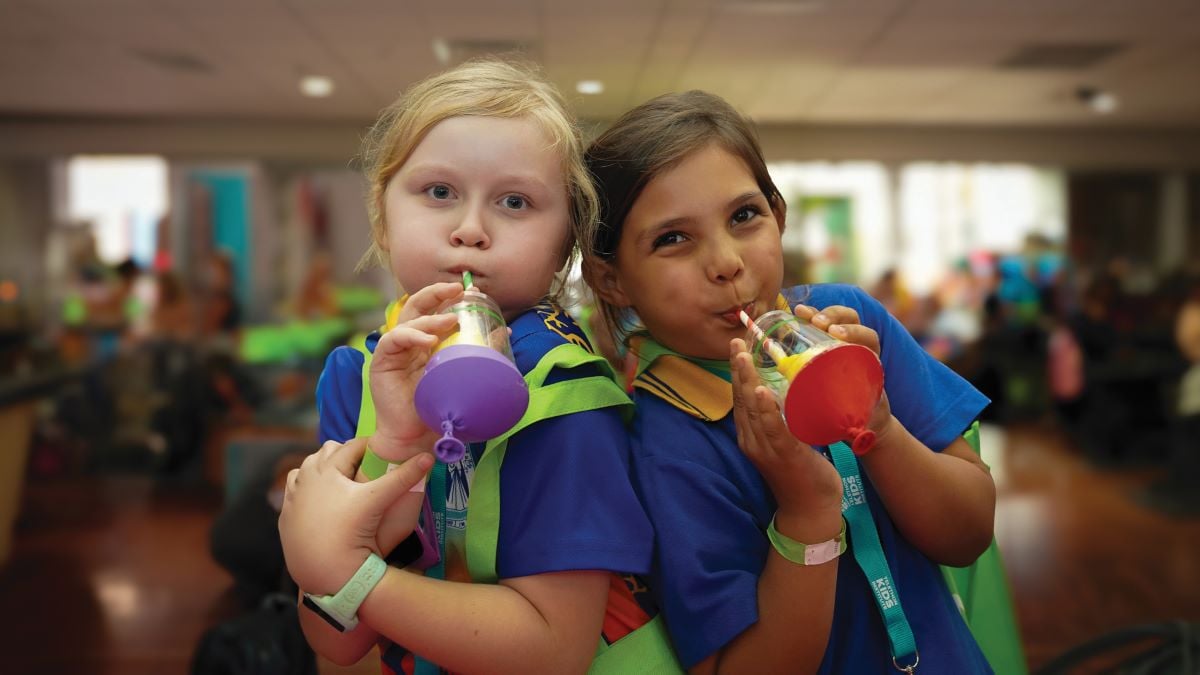
Free Family-Friendly Science Fun During National Science Week 2025. Get ready for an awesome adventure into the world of Science, Technology, Engineering and Mathematics!
Childhood is a critical period for the development of movement behaviours such as physical activity, sleep and sedentary behaviour. The PLAYCE Cohort was established to investigate how movement behaviours change over early to middle childhood, across key behaviour settings and relationships with health and development. An overview of the PLAYCE cohort, summary of key findings to date, and future research opportunities are presented.
Canada, Australia, the World Health Organization and other countries have released 24-hour movement guidelines for the early years which integrate physical activity, sedentary behaviour, and sleep, focusing on supporting children to achieve a healthy 24-hour day. The guideline evidence synthesis, however, highlighted the dearth of high-quality evidence, particularly from large-scale studies.
Meaningful involvement of young People with Lived Experience (PWLE) in co-designing youth mental health interventions has been much emphasized globally. However, there is a scarcity of evidence on involving PWLE of mental health problems in designing, implementing and evaluating mental health interventions, especially in Low- and Middle-Income Countries.
The widespread use of technology in daily life has raised concerns about its potential to disrupt social relationships, particularly within one of the most important human relationships: the parent-child relationship. This study assesses whether parental social media use (measured by a novel parental social media intensity scale) affects the parent-child relationship (measured by the child-parent relationship scale - short form), and whether parental self-efficacy (PSE, measured by the parenting sense of competence scale) moderates this effect.
We have read with interest the new publication by Rouhiainen and colleagues on missed opportunities for preventing or diagnosing acute rheumatic fever (ARF).