
Search

With Term 2 commencing this week, many parents are unsure as to whether to send their child with type 1 diabetes back to school. To assist parents with their own decision-making process, it is important to consider the individual risks and benefits for each family.

Our co-director Professor Liz Davis spoke to JDRF Australia to answer COVID-19 and type 1 diabetes questions.

We know many families have questions about the risk of COVID-19 to children with type 1 diabetes. To address these questions, Perth Children’s Hospital’s Diabetes Clinic has provided information and resources to help you navigate this tricky period.
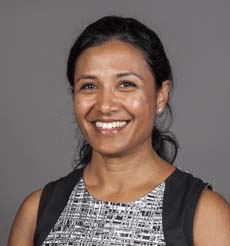
Congratulations to Children’s Diabetes Centre’s Dr Aveni Haynes on being awarded a JDRF Postdoctoral Fellowship to inform type 1 diabetes prevention strategies by investigating early blood glucose abnormalities in at-risk children.
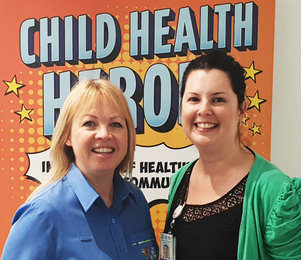
A Clinical Nurse Specialist position within Perth Children’s Hospital’s Diabetes Service has been funded as part of the Federal Government’s new Type 1 Diabetes Management in School program.

Children as young as six years old are being diagnosed with type 2 diabetes, according to Perth endocrinologists who are calling for early screening of at-risk groups.
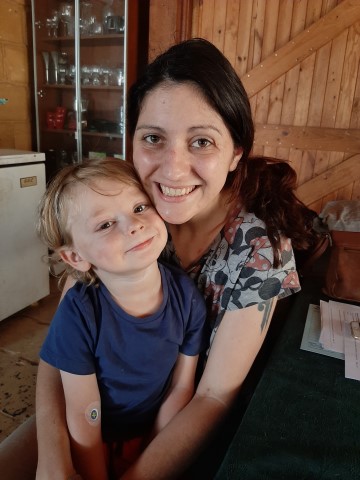
Australia’s biggest study into the causes of type 1 diabetes recently recruited its 1500th and final participant right here in WA.

Perth Children’s Hospital’s Diabetes Service has released the dates for its self-efficacy groups for 2020.

Our research team have been working with young people with type 1 diabetes to design and develop an app that contains guidelines and advice for what to do when you are being physically active.
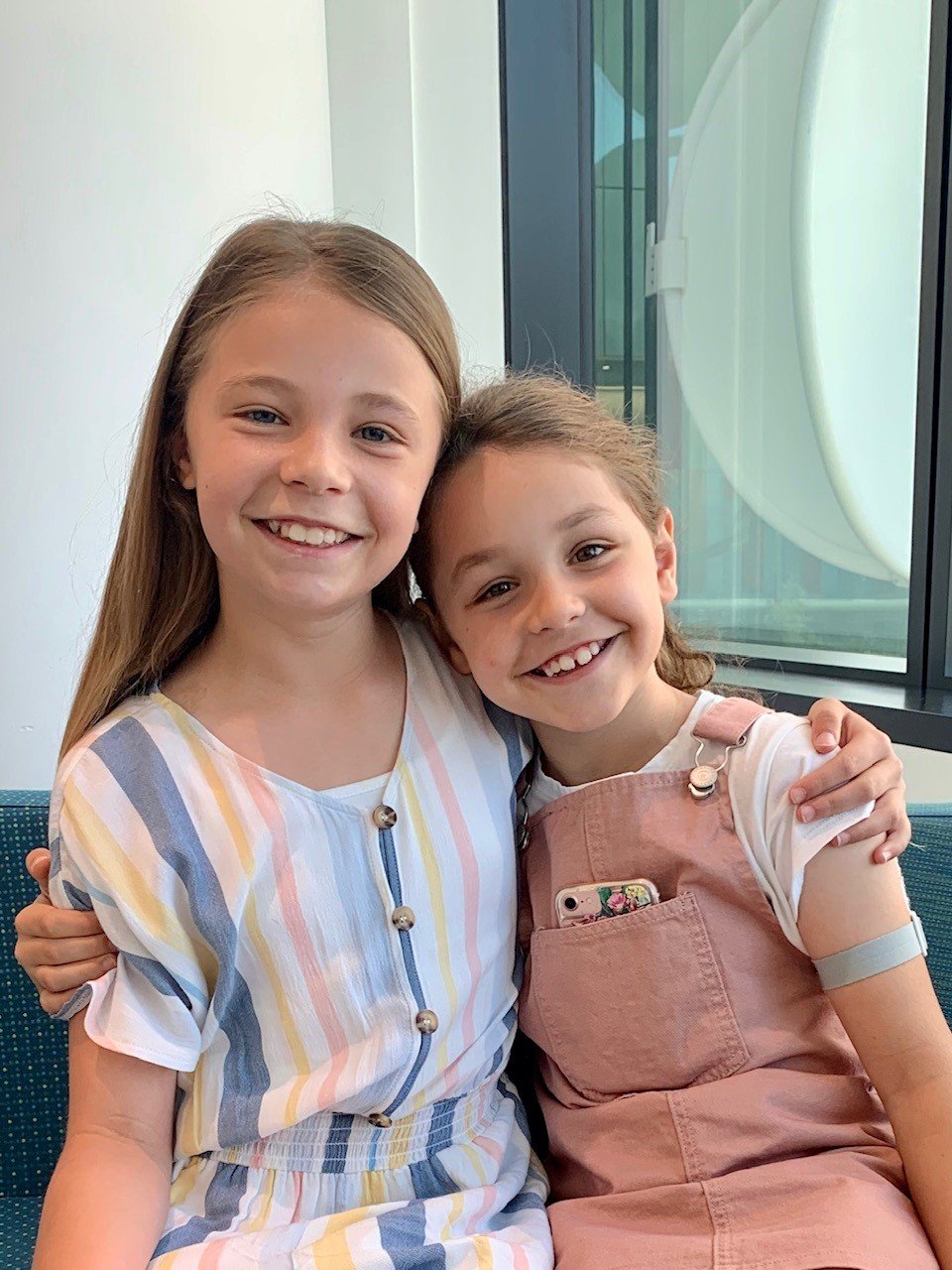
It may only have been a matter of months since Abby Carlon was diagnosed with type 1 diabetes but already the 10-year-old knows more than most about the condition. That’s because she’s always kept an eye out for her little sister Mia who was diagnosed with type 1 diabetes when she was three.