
Search
This study explores the incidence of preoperative hypophosphatemia and whether hypophosphatemia may have affected patient or trial outcomes for those who received ferric carboxymaltose
Emerging evidence suggests that observers tend to form less favorable first impressions toward autistic people than toward non-autistic people. These negative impressions may be associated with immediate behavioral responses, as well as long-lasting attitudes toward those being observed that may negatively impact their psychosocial wellbeing.
Belief in the trustworthiness of other people is foundational to human interaction, and thus, there is interest in its assessment across many disciplines. However, disunity in approaches to its conceptualization has resulted in a myriad of measures. This review collates and systematically appraises self-report general trust measures for use in either children or adults; examining target age, type of trust assessed, and measurement and psychometric properties.
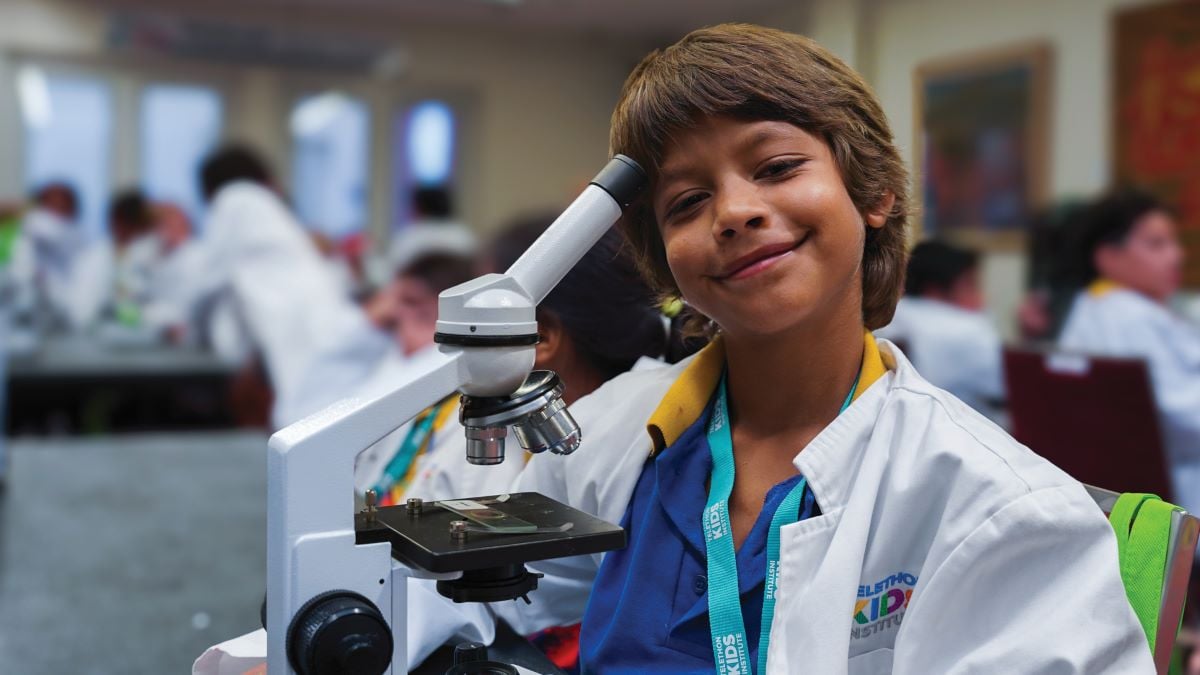
The Kids Research Institute Australia will return to the Kimberley in May for the Broome STEM Festival, promising two fun-filled days of hands-on science activities for local families to experience.
In Australia, cancer medicine is increasingly guided by our expanding knowledge of cancer genomics (the study of genetic information) and biology. Personalized treatments and targets are often defined by an individual’s genetic profile—known as precision cancer medicine. The translation of genomics-guided precision therapeutics from bench to bedside is beginning to produce real clinical benefits for Australians living with cancer.
This study aims to describe the risk factors and trends in birth prevalence of septo-optic dysplasia (SOD) and gastroschisis between 1980 and 2023. This descriptive, population-based study of SOD and gastroschisis used Western Australian Register of Developmental Anomalies data from 1980 to 2023. Birth prevalence was calculated using Midwives Notification System data for all births after 20 weeks gestation.
We report the isolation of a bacteriophage with obligately lytic activity against Pseudomonas aeruginosa from wastewater. The reported phage, Minga-mokiny 4, appears to belong to the Schitoviridae family, is of the Litunavirus genus, and has a 72,362-bp genome. No known genes associated with lysogeny, bacterial resistance, or virulence were predicted.
In high-transmission areas, school-aged children have higher malaria prevalence and contribute significantly to the transmission reservoir. Malaria infections can be asymptomatic or present with symptoms which may contribute to anaemia, severe illness and fatal malaria. This analysis provides trends of malaria prevalence and associated risk factors among school-aged children in mainland Tanzania.
Skin health is widely recognised as being important for overall good health and well-being, yet the burden of skin infections in remote Aboriginal communities remains high. This project aimed to explore if virtual support for skin health could be a strategy to reduce community barriers to skin health engagement.
Vaccine policy and guideline recommendations require high quality evidence. A review of the evidence quality used to inform vaccine clinical practice guidelines could help guide researchers on how to improve the design of their clinical studies to produce evidence of greater value to decision-makers.