
Search
The Kids Research Institute Australia's annual report highlights the accomplishments of our researchers, furthering our mission to secure a happier, healthier future for kids everywhere.
At The Kids Research Institute Australia, our vision is simple - happy healthy kids. We bring together community, researchers, practitioners, policy makers and funders who share our mission to improve the health, development and lives of children and young people through excellence in research.
At The Kids Research Institute Australia, our vision is simple - happy healthy kids. We bring together community, researchers, practitioners, policy makers and funders who share our mission to improve the health, development and lives of children and young people through excellence in research.
At The Kids Research Institute Australia, our vision is simple - happy healthy kids. We bring together community, researchers, practitioners, policy makers and funders who share our mission to improve the health, development and lives of children and young people through excellence in research.
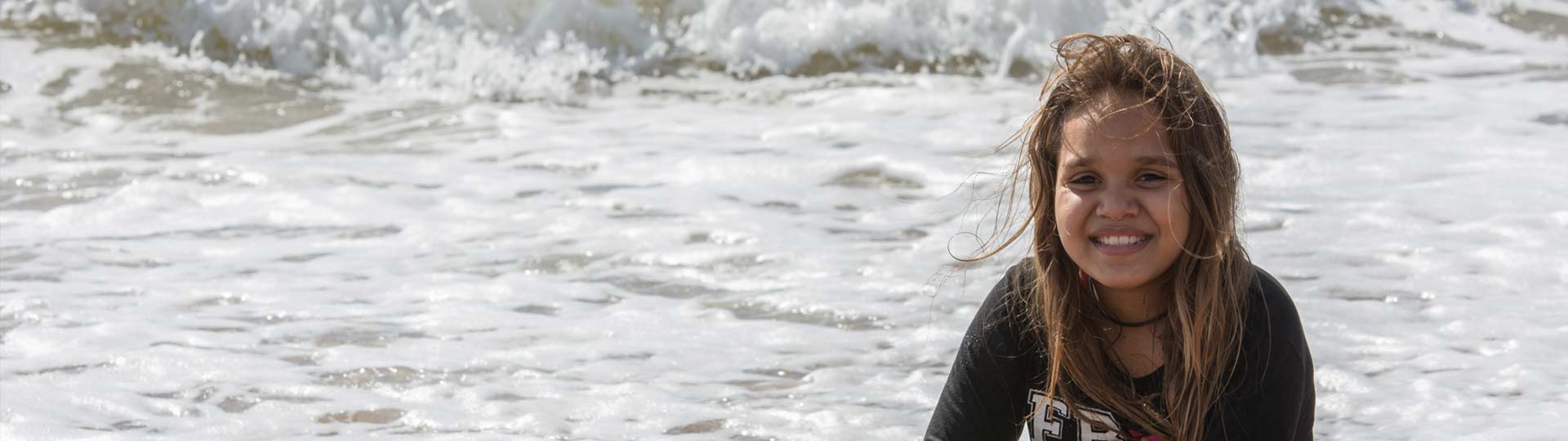
Find out more about visiting The Kids Research Institute Australia in regards to address, parking, public transport, and Institute tours. We're looking forward to seeing you!
Discover the origins of The Kids Research Institute Australia, from when it opened in the 90's led by its patron Fiona Stanley up until now, led by Jonathan Carapetis.
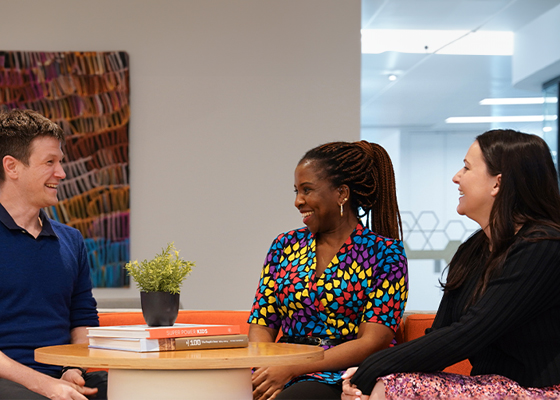
At The Kids, we don’t just accept difference — we celebrate it, and we support it for the benefit of our employees and our community.

Your gift is the reason we can give hope to families, be ambitious in our research, and create a brighter future for our community.
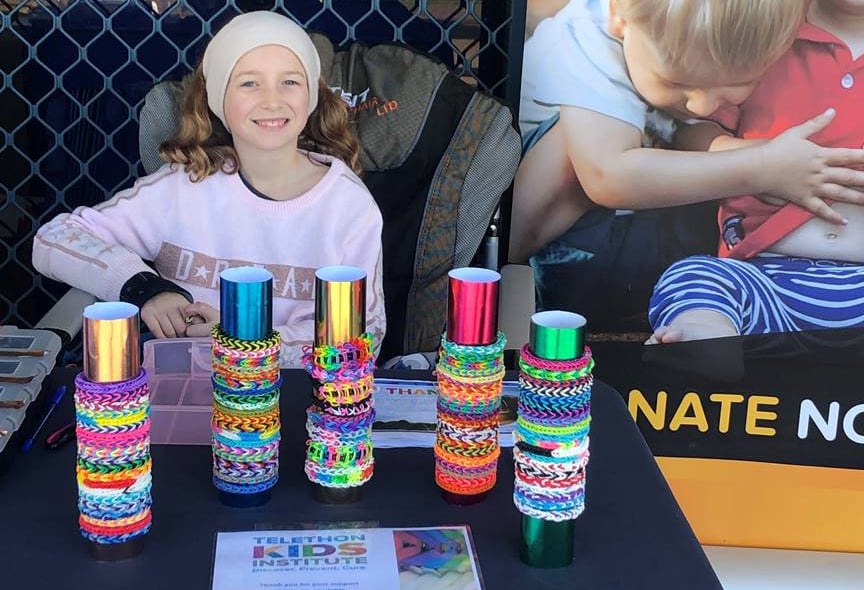
Ten-year-old Isabelle decided to make and sell loom band bracelets to raise money for The Kids Research Institute Australia.
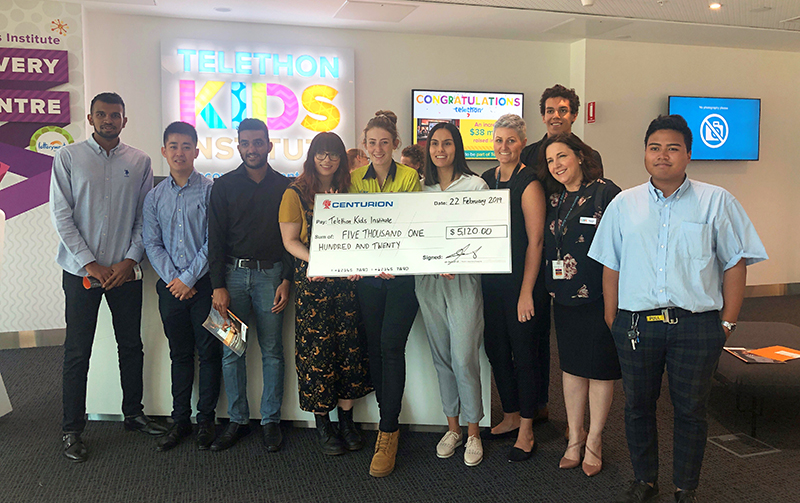
Vacation students from logistics and transport company Centurion raised over five thousand dollars for The Kids Research Institute Australia through a series of fundraising activities.