
Search
Showing results for "Childhood interstitial lung disease "
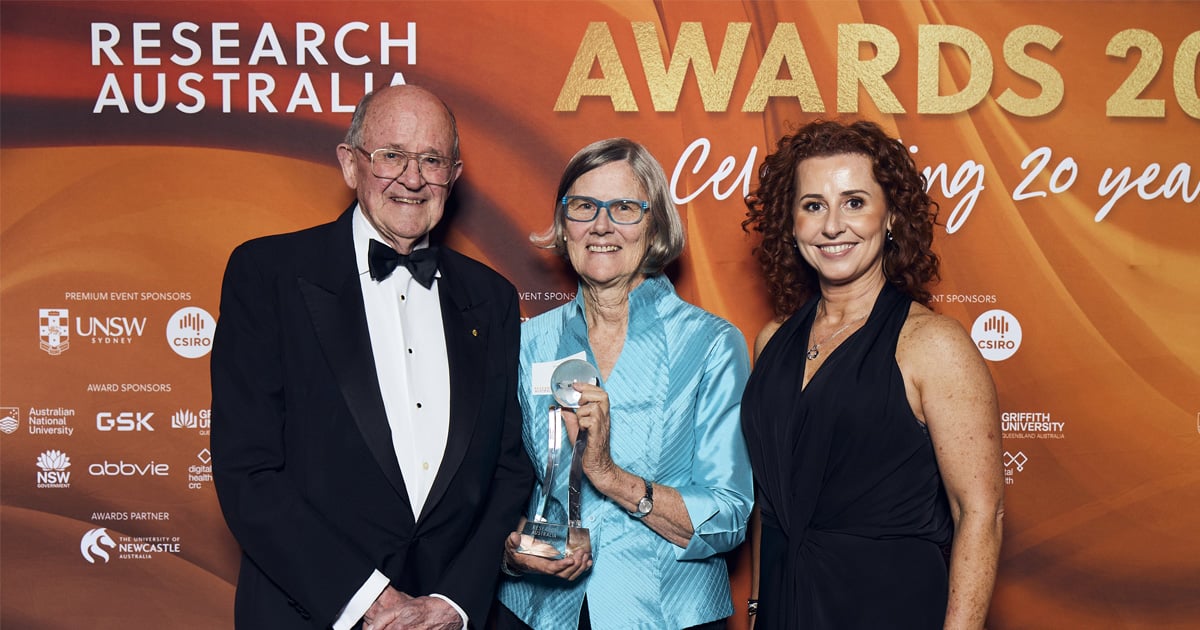
One of The Kids Research Institute Australia’s most influential researchers, who has played a seminal role in birth defect research and advocacy over a four-decade career, has won the Peter Wills Medal – the Australian research community’s flagship award.
The first global review of the effectiveness of current strategies to fight tuberculosis has found preventive therapy is the most effective intervention strategy.
Patient (or parent/carer proxy) Reported Outcomes (PROs) are those reported from a patient perspective, capturing how they feel, function, or survive.
Stopping Acute Rheumatic Fever Infections to Strengthen Health
Aboriginal and Torres Strait Islander children continue to be removed at high rates from their families by child protection services, placing them at elevated risk of adverse long-term life outcomes. Cultural connection in out-of-home care is essential for mitigating the impacts of trauma from removal, emphasizing the importance of ensuring that cultural planning is rigorously undertaken. This article explores the provision of cultural plans in an era where out-of-home care services are outsourced by government, but where government holds onto the responsibility for developing cultural plans for children in care.
The catastrophic consequences of natural disasters on social and economic systems are extensively documented, yet their influence on individuals' sense of control over their life outcomes remains unexplored. This study pioneers an investigation into the causal effects of natural disaster-related home damage on the locus of control.
As the frequency of eating out-of-home among Australian families increases, concerns have arisen regarding the nutritional quality of Kids' Menus. This study investigated the views of food business owners and managers on Kids' Menus at sit-down venues, specifically factors influencing the choice of meals offered on Kids' Menus and potential initiatives for enhancing the nutritional quality of these menus.
Young children diagnosed with autism experience high rates of co-occurring anxiety, with uncertainty-related concerns commonly reported. This randomized controlled trial investigated an 8-week parent-mediated group anxiety intervention, “Coping with Uncertainty in Everyday Situations” (CUES-Junior©).
Globally, Indigenous peoples have incurred significant harm due to colonisation of their lands. Dispossession of culture, language, family and land, and the historical, systematic removal of children in Australia (the ‘Stolen Generation’), has resulted in evident ongoing negative outcomes in the contemporary lives of Aboriginal and Torres Strait Islander people.
To determine the efficacy of advanced hybrid closed-loop therapy in a high-risk cohort of youth on continuous subcutaneous insulin infusion with or without continuous glucose monitoring with suboptimal glycemia.