
Search
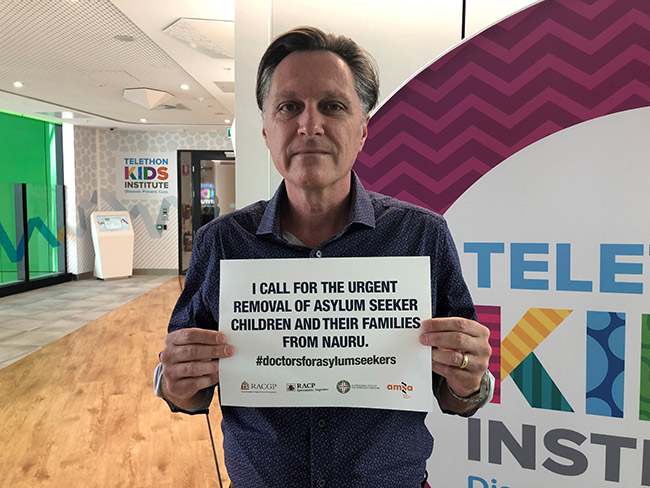
The Kids Research Institute Australia is calling for the immediate removal of all refugee and asylum seeker children and their families from Nauru.
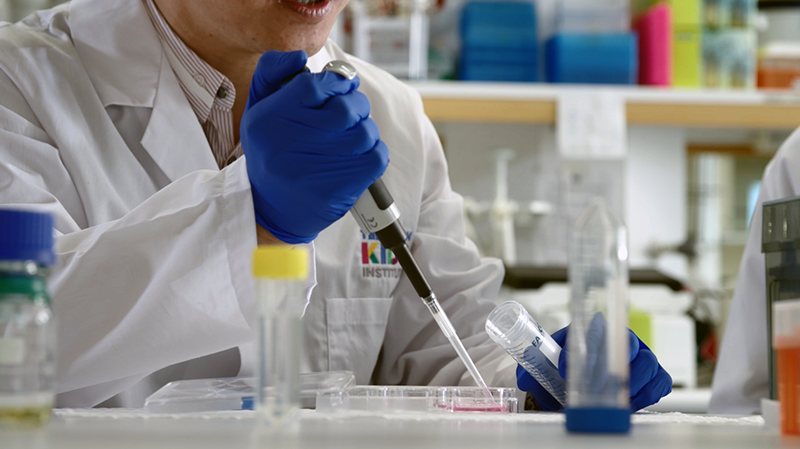
Six The Kids Research Institute Australia researchers are among those who have received grant funding from the Telethon-Perth Children’s Hospital Research Fund (TPCHRF).
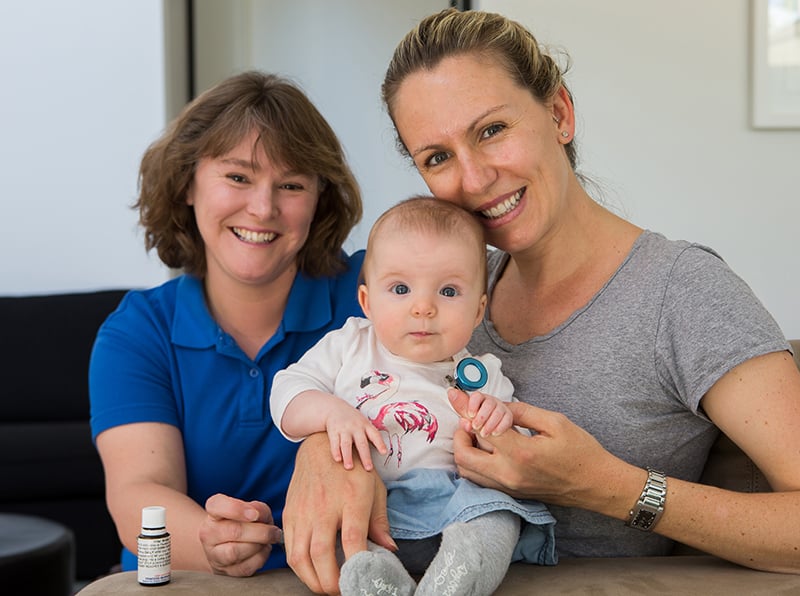
A study led by The Kids Research Institute Australia has suggested vitamin D supplementation in babies is no match for sunlight when it comes to preventing eczema.
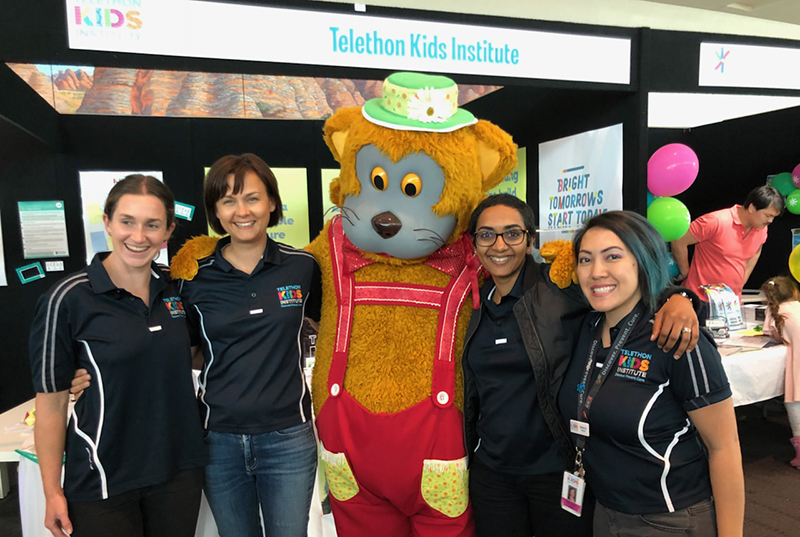
Huge congratulations to Telethon on another record-breaking year, with generous West Australians donating just over $38 million to help sick kids.
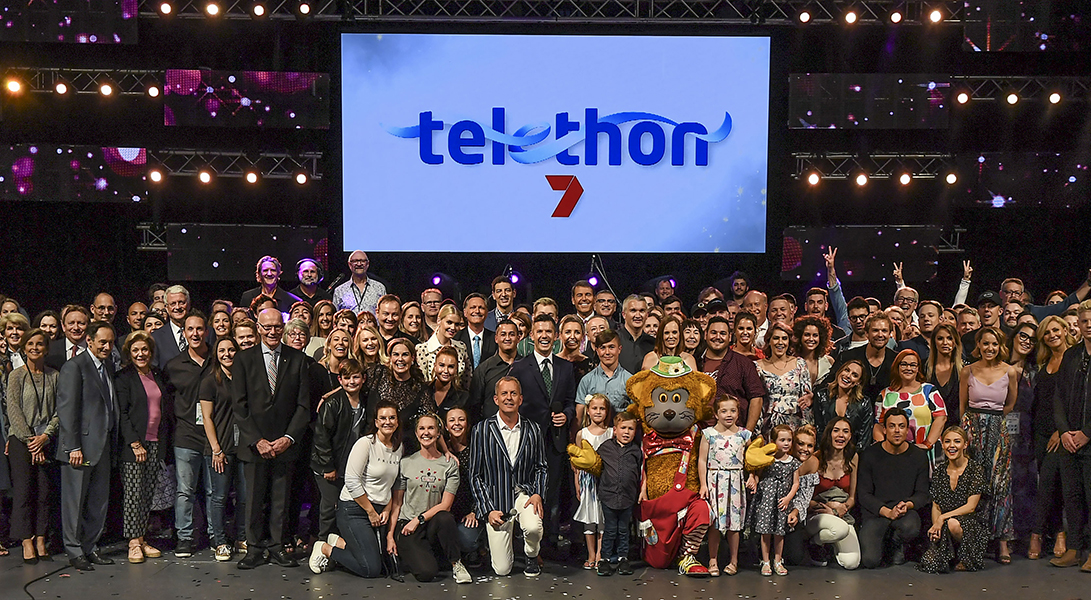
Curtin University, the Channel 7 Telethon Trust and The Kids Research Institute Australia have proudly announced The Kerry M Stokes Chair of Child Health, to establish a world-class research program for the benefit of children and the adults they will become.
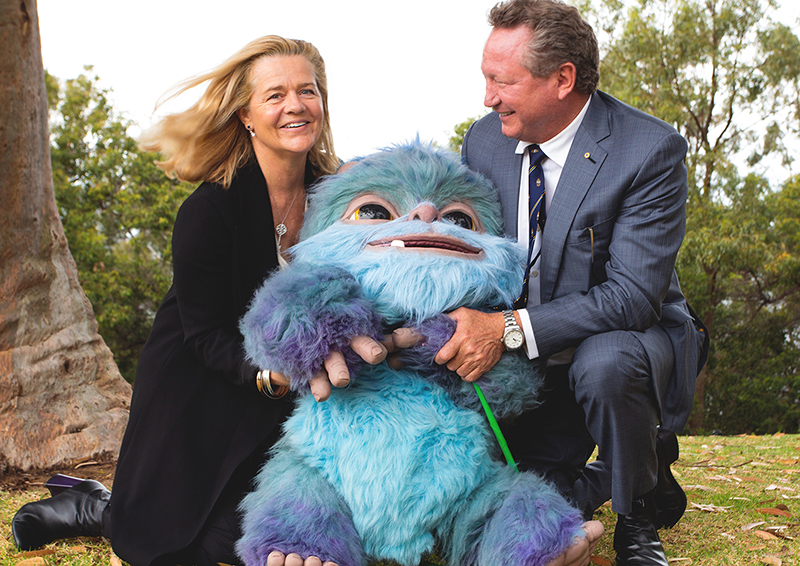
A national campaign launched on Channel 7’s Telethon aims to build community understanding of the amazing untapped potential of a baby’s developing brain, through a remarkable animated creature.
As one of Telethon’s earliest and most long-standing beneficiaries, we are incredibly proud to be taking part in the Telethon Weekend again in 2018.
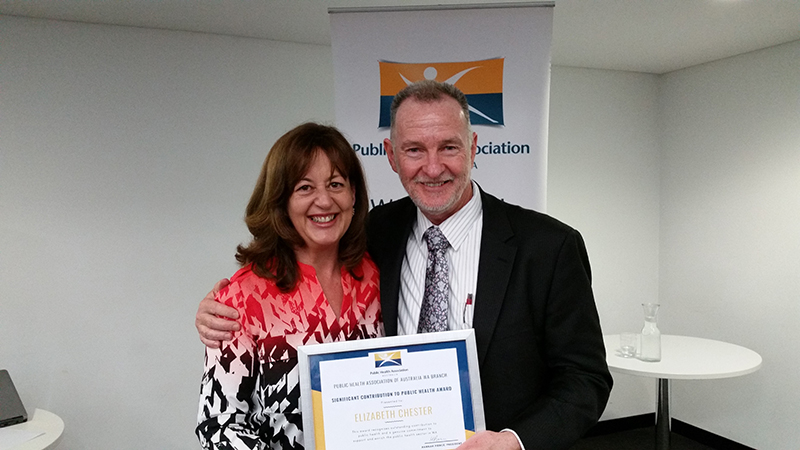
Congratulations to The Kids Director of Communications and Development, Elizabeth Chester, who has been recognised at the Public Health Association of Australia WA awards for her outstanding effort progressing public health.
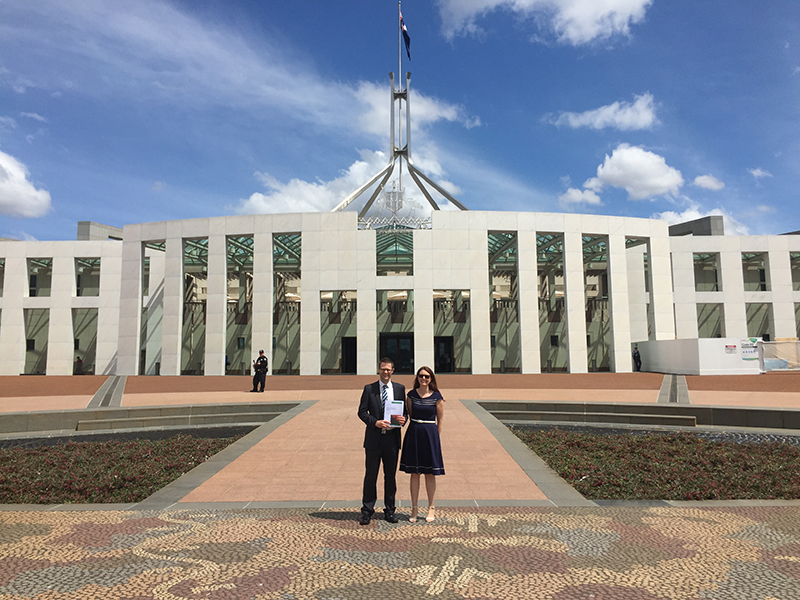
Researchers from The Kids Research Institute Australia, working with the Autism CRC, have led the development of the National Guideline for the Assessment and Diagnosis of Autism Spectrum Disorder in Australia which was launched today.
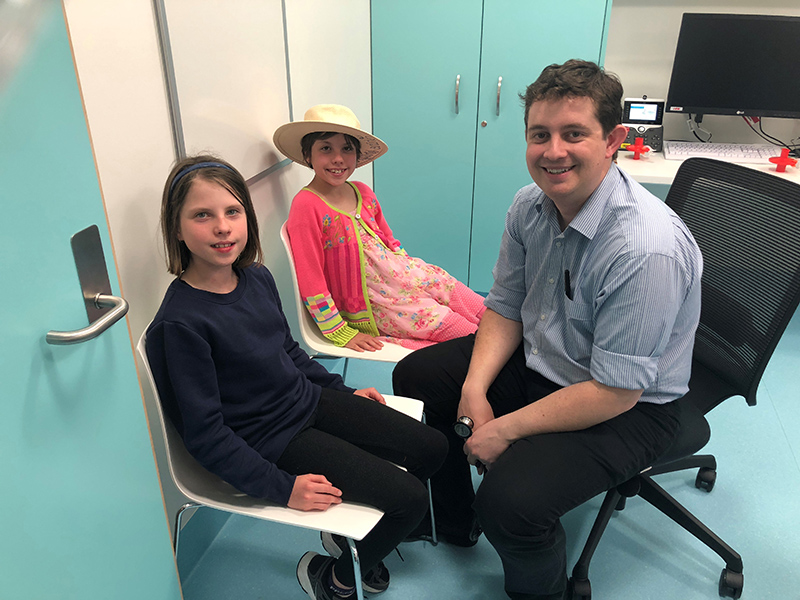
The Kids Research Institute Australia researchers are investigating whether a simple urine test could predict whether young children with wheezing symptoms will go on to develop asthma.