
Search
Showing results for "Childhood interstitial lung disease "
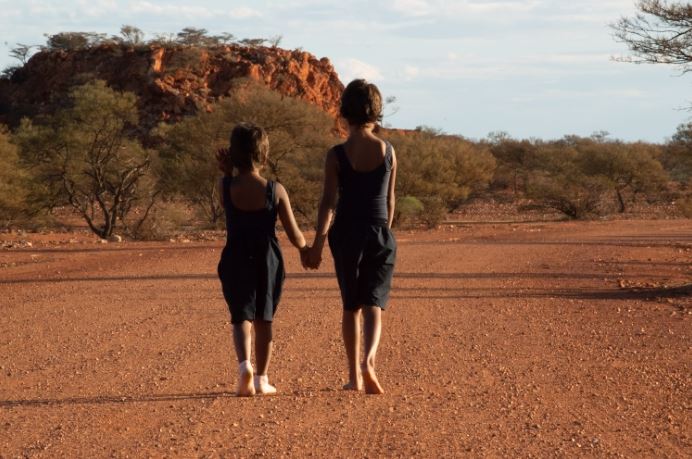
Instant diagnosis and treatment of potentially life-threatening Strep A infections is now very close to reality across Australia’s remote and regional areas thanks to molecular point-of-care testing (POCT) that slashes result times from five days to just minutes.
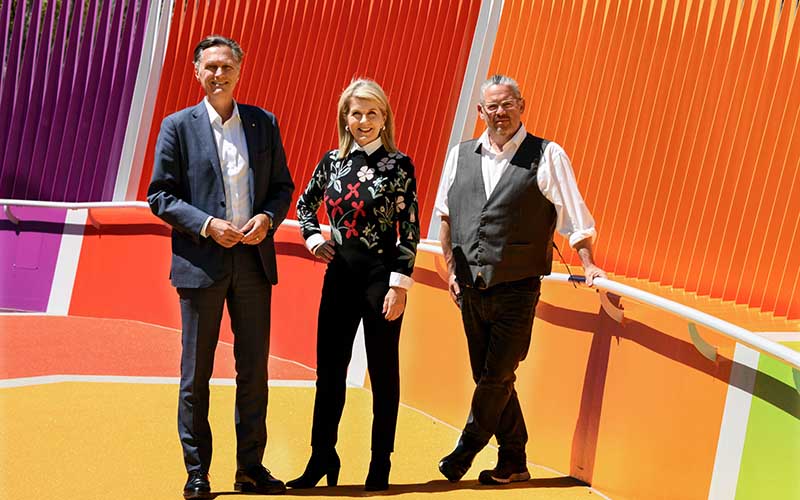
Dr Alex Brown to take up a new appointment as Professor of Indigenous Genomics.

WA’s peak public health and medical experts have united in their call to end the sponsorship of sport by junk food companies.
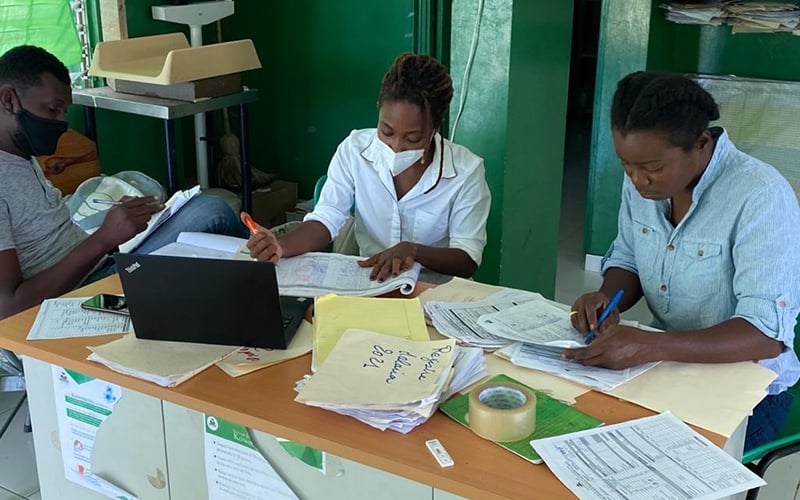
Researchers from The Kids Research Institute Australia in Perth and Tulane University in New Orleans have developed sophisticated data modelling that could help eradicate malaria in Haiti.
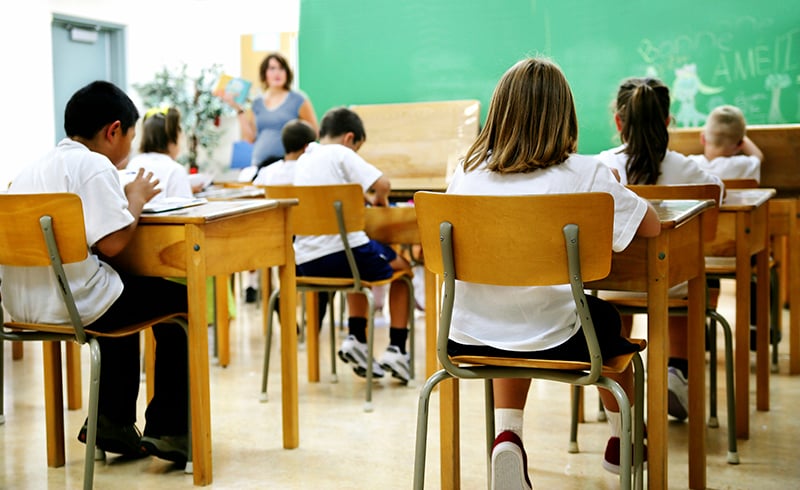
Western Australia has been highly successful at containing community spread of COVID-19 to date.

With COVID-19 being a major issue this year, is it still important to have a flu vaccine? And why have school aged children been included for a free vaccine?
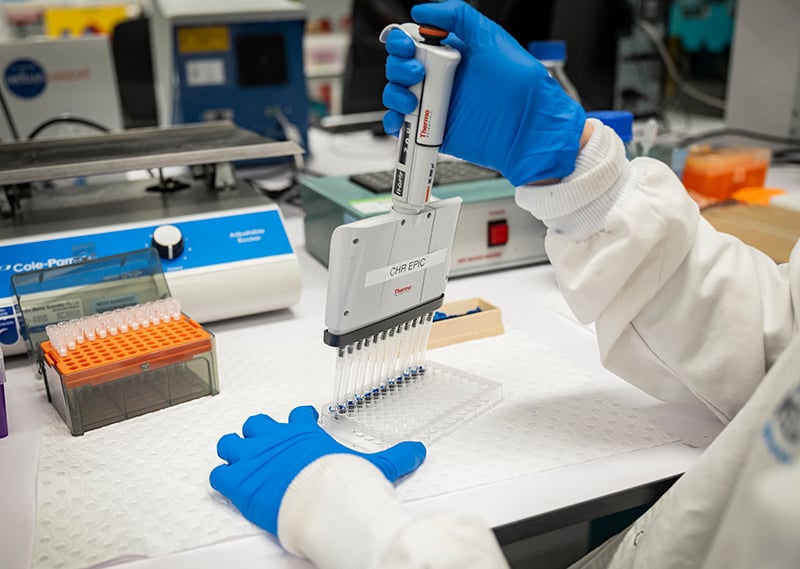
At least 2,000 WA healthcare workers will help test whether an existing tuberculosis vaccine can reduce their chance of COVID-19 infection, lessen the severity of symptoms and boost immunity.
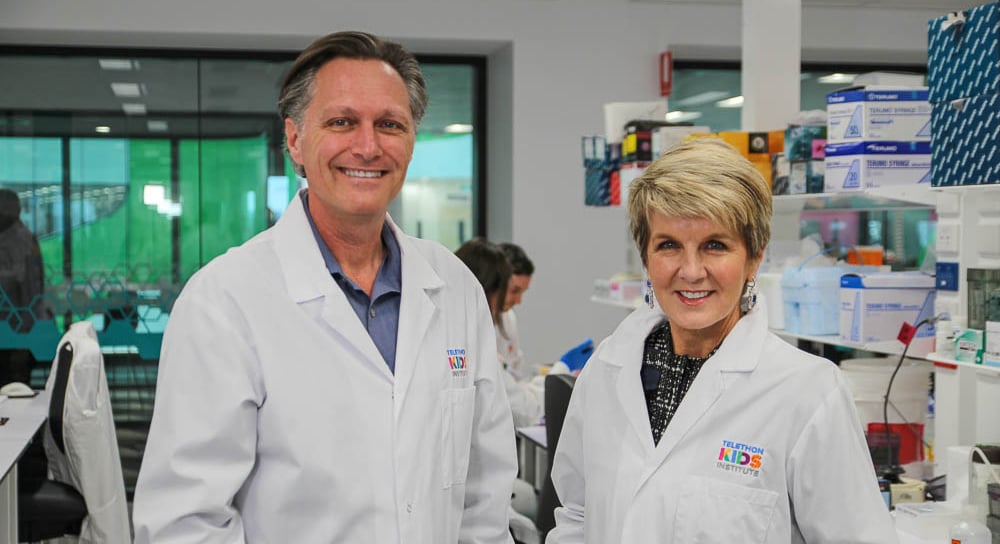
Former Australian Foreign Affairs Minister The Hon Julie Bishop will be the next Chair of Perth’s The Kids Research Institute Australia.
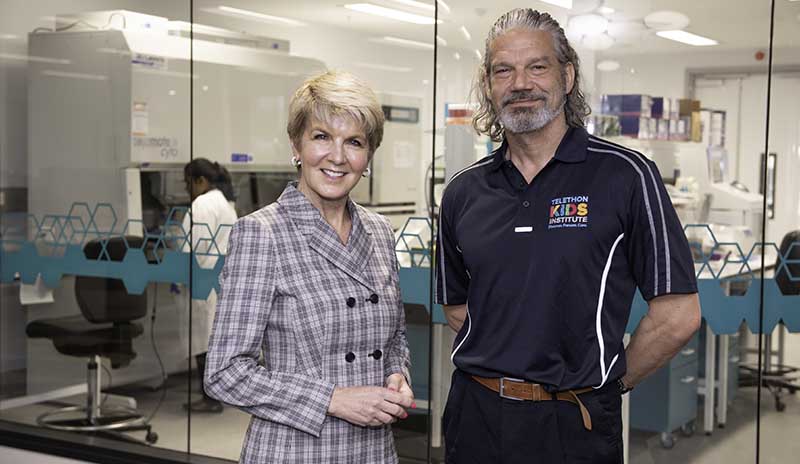
The Kids Research Institute Australia Chair Hon. Julie Bishop will join the international Human Vaccines Project’s Board of Directors on its mission to address the next frontier of human health – decoding the human immune system to transform how we prevent, diagnose and treat disease.
When health organisations in the north-west of WA requested urgent action to address the region’s high rate of skin infections, Dr Asha Bowen answered the call.