
Search
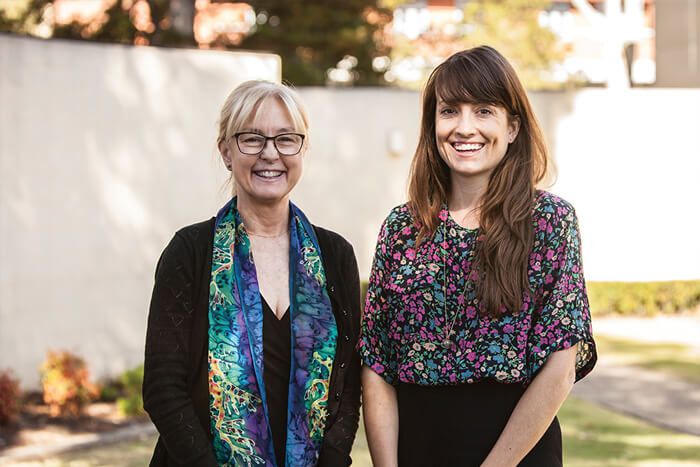
If there’s one thing modern researchers and health professionals now understand, it’s that for so many diseases and conditions affecting children and adolescents, early intervention is crucial.
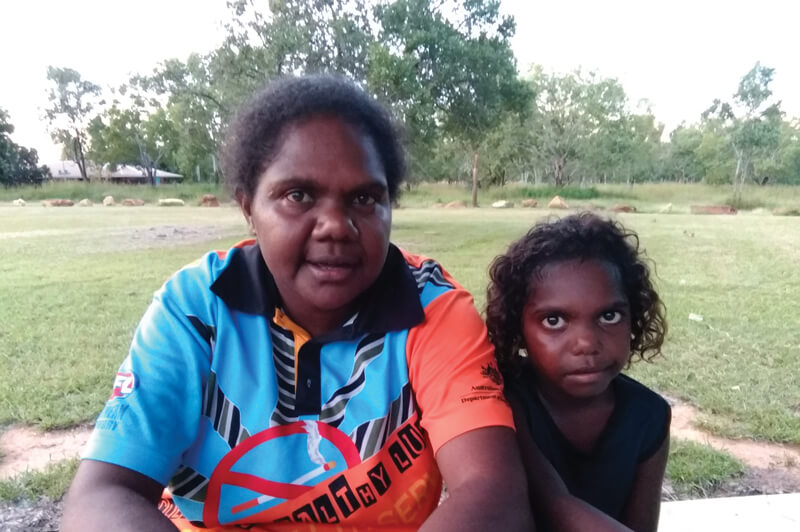
Collaboration is the driving force behind ‘END RHD Demonstration Communities’ – a new community-driven, research-backed approach to tackling rheumatic heart disease (RHD) in remote Australia.

"This system definitely helped with my diabetes management, especially overnight, and helped to keep my blood sugars as stable as possible which was fantastic,"

In 2017, a steep rise in cases of meningococcal disease caused by the W strain sparked a wave of concern for parents in Western Australia.

A joint initiative between The Kids Research Institute Australia, The University of Western Australia, the University of Kansas and Nebraska University, it is the world’s only study to conduct such a detailed assessment of language and literacy development from infancy through the formative adolescent years.

Researchers at The Kids are harnessing the power of apps and other online tools to ensure the results of their research reach those who need it most – children, young people and families.
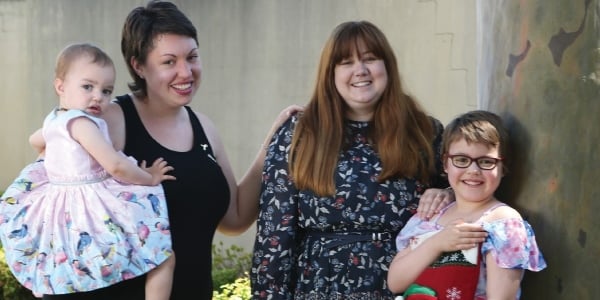
Emma White, a registered nurse, suspected for several months that something was wrong with her 7-year-old daughter Aroha, but couldn't get answers despite visiting numerous GPs.
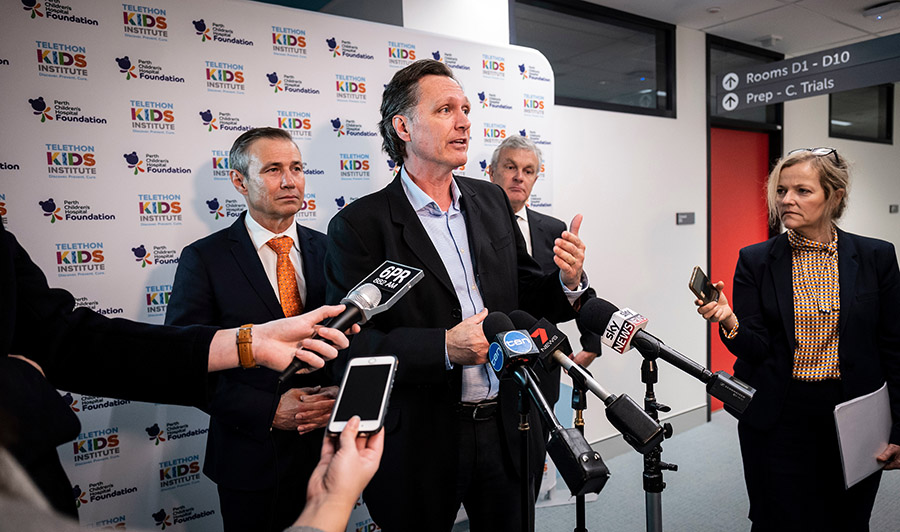
Thanks to a partnership with Perth Children’s Hospital Foundation, Perth’s The Kids Research Institute Australia will be at the forefront of a global push to decode the human immune system to transform how we prevent, diagnose and treat disease as the first international hub of the Human Vaccines Project.
Data on Western Australian children’s health, learning, development and social characteristics will be mapped using geospatial technology so that community leaders and service providers can identify the priority issues for their children.
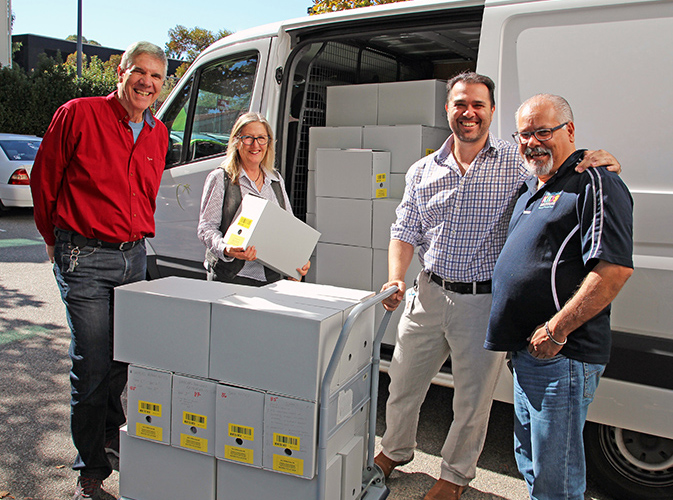
The landmark Western Australian Aboriginal Child Health Survey has been placed into archiving at the State Library of Western Australia to be preserved for future generations.