
Search
Showing results for "8"
In Australia, Aboriginal children experience disproportionate rates of type 2 diabetes (T2D) compared with non-Aboriginal children. The aim of this qualitative study was to explore the experiences of Aboriginal adolescents with T2D and their family members to better understand the influences of T2D on self-management, with findings used to inform an enhanced service model of care.
Early child development may have important consequences for inequalities in health and well-being. This paper explores population level patterns of child...
It has been well established that children's development at school entry is associated with their later academic achievement, but less is known about whether there is also an association with other measures of school success, such as students' social and emotional wellbeing.
MEDIA ENQUIRIES Discover. Prevent. Cure. Mailing list Media contacts About The Kids Be Inspired Please direct general enquiries to our reception on (
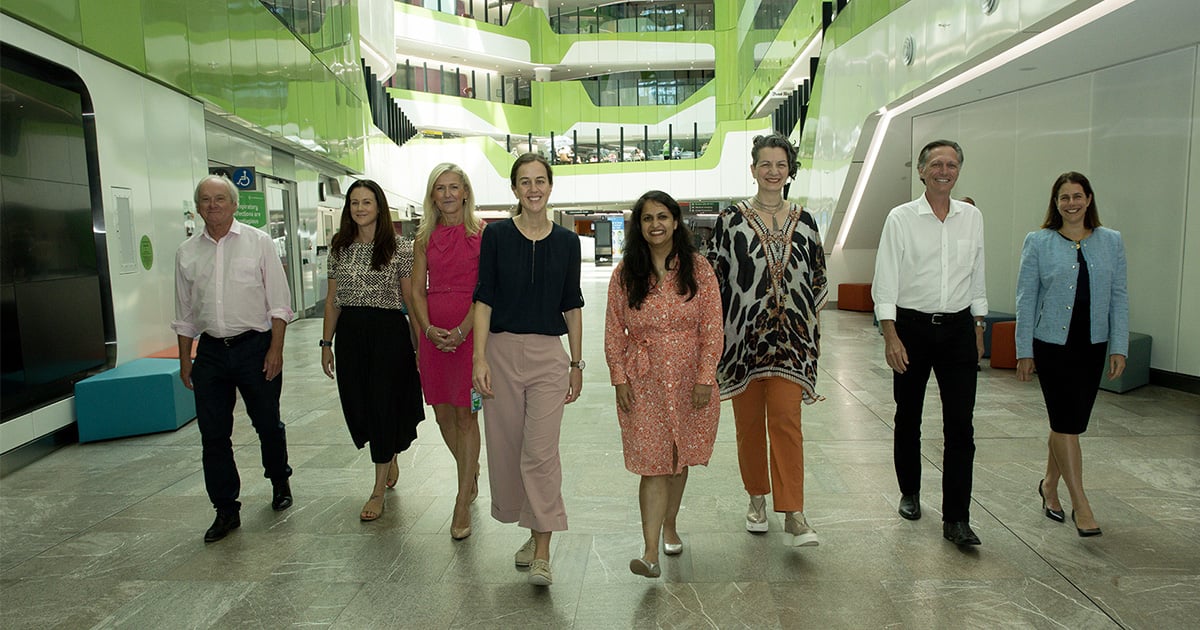
Two outstanding Perth Children’s Hospital clinicians will be supported to pursue a career in medical research, paving the way for more clinician-scientists in Western Australia.
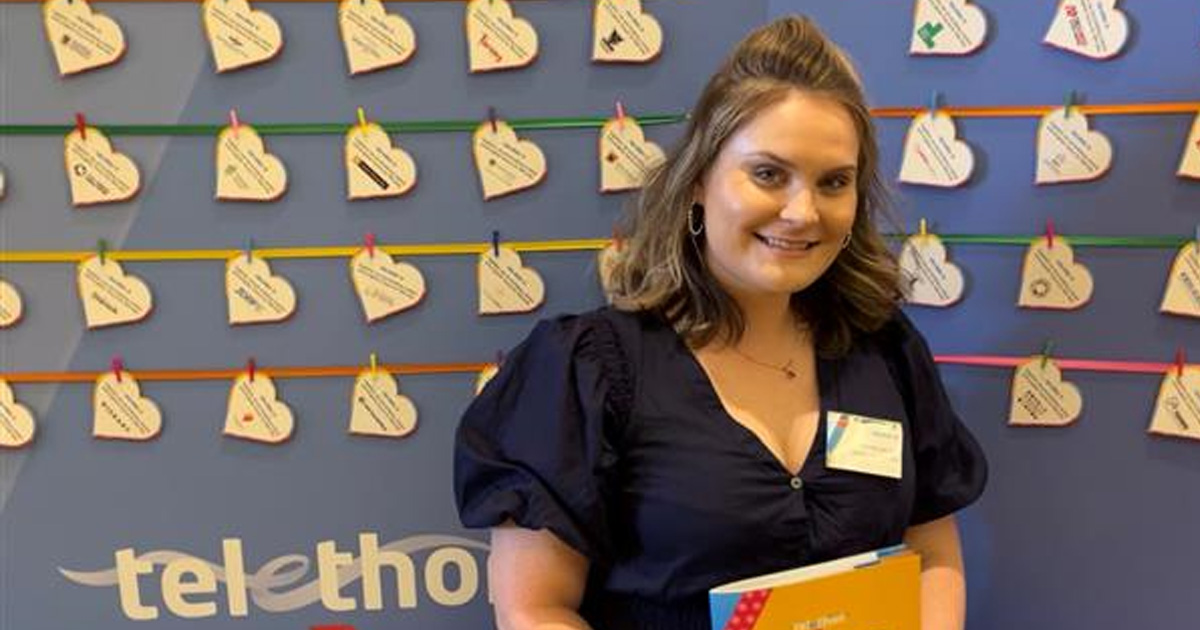
The generous support of West Australians through Channel 7’s Telethon Trust will help support vital child health research at The Kids Research Institute Australia in 2023.
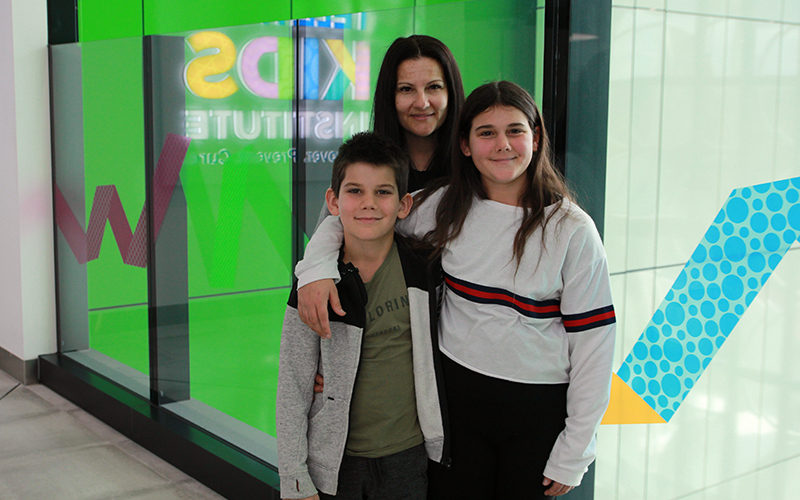
When Ballajura mum Filomena saw a callout to families to participate in a simple sore throat study to combat Strep A infections, she didn’t think twice.
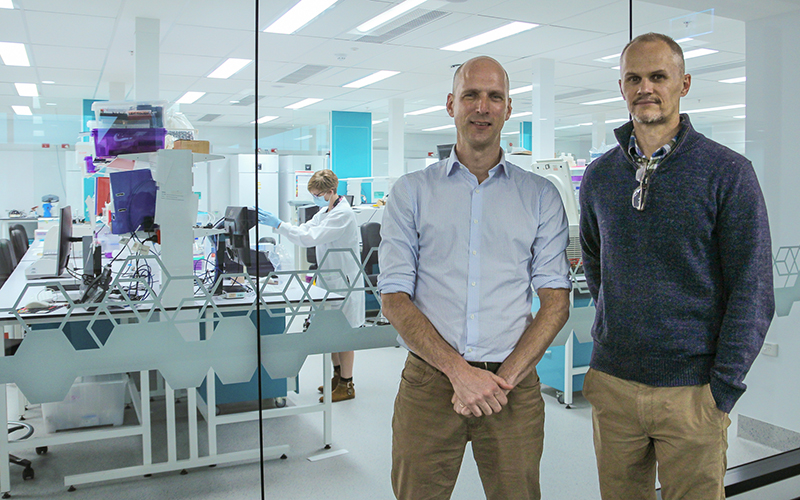
Researchers at The Kids Research Institute Australia and UWA will use a $500,000 CUREator grant to progress the development of the first cancer immunotherapy in a tablet.
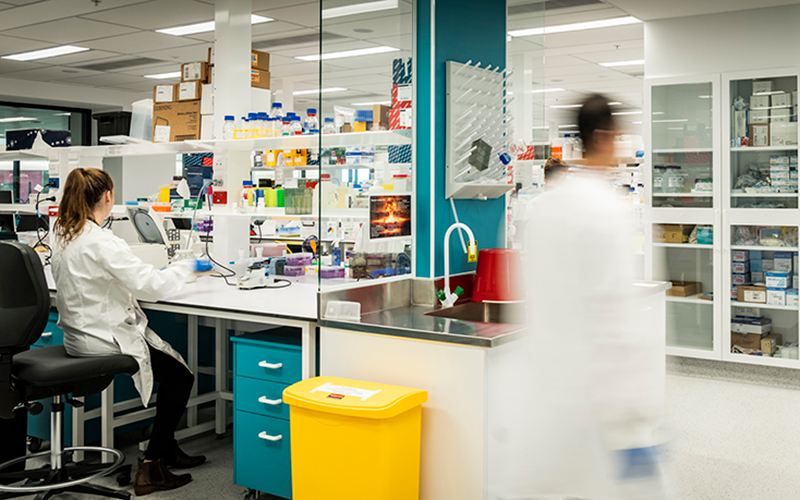
The Kids Research Institute Australia researchers will share in $2.3 million awarded by the Western Australian Department of Health Innovation Seed Fund.
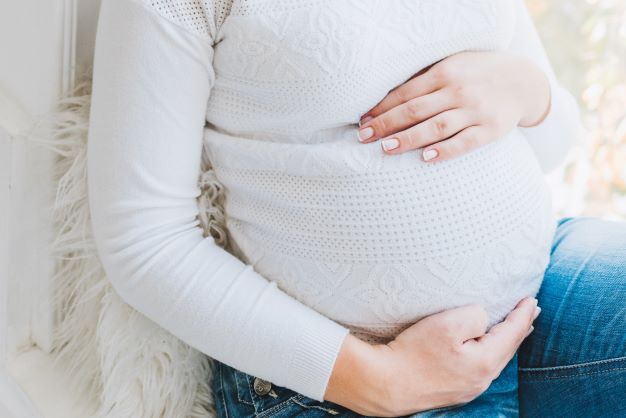
New collaborative research involving almost 600,000 pregnant mothers has demonstrated a dramatic increase in uptake of the whooping cough (pertussis) vaccine after identifying just 22 per cent of WA women had the maternal vaccination between 2012 – 2017.