
Search
Showing results for "early lung health"

We’d love to hear your feedback on our website and newsletter so we can make it more informative and interesting for WA’s Type 1 Diabetes community.
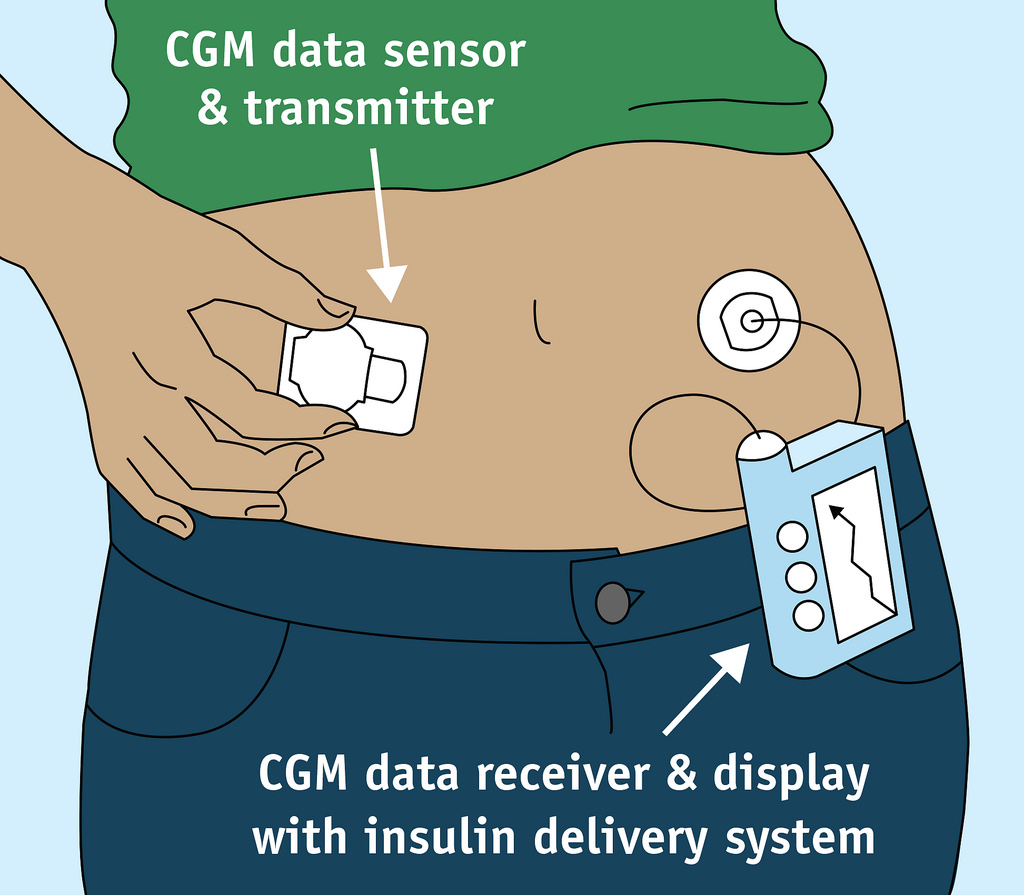
Children with Type 1 Diabetes (aged eight to 12 years) are needed for a new trial into Continuous Glucose Monitoring (CGM) and exercise.
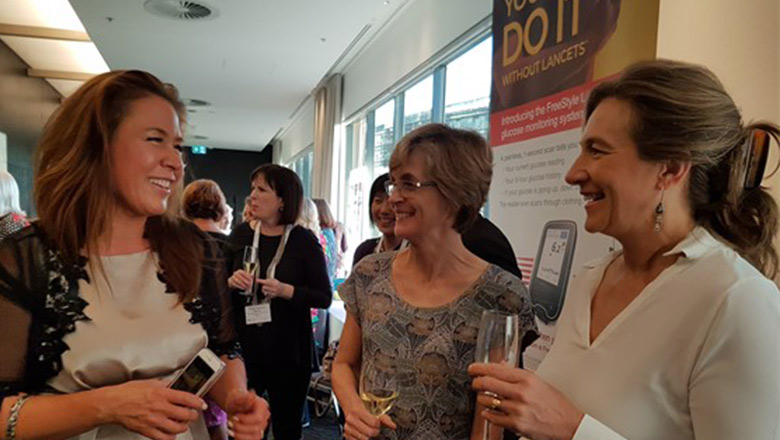
Last month, our Centre's co-Director Liz Davis, attended the National Association of Diabetes Centre's (NADC) Symposium in Sydney.
You may have heard we're moving to our new home at Perth Children's Hospital later this year, sadly this means we've had to cancel our camps.
The DiabHQ Patient Portal app is now available to WA children and families living with Type 1 diabetes.
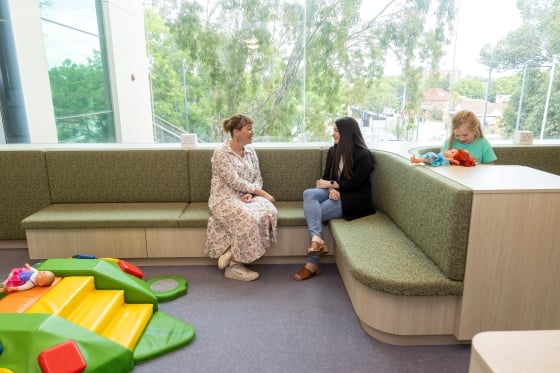
In this blog, Occupational Therapy Clinical Lead Marie Rodatz discusses the elements needed to create a neuro-affirming environment that supports neurodiverse individuals.
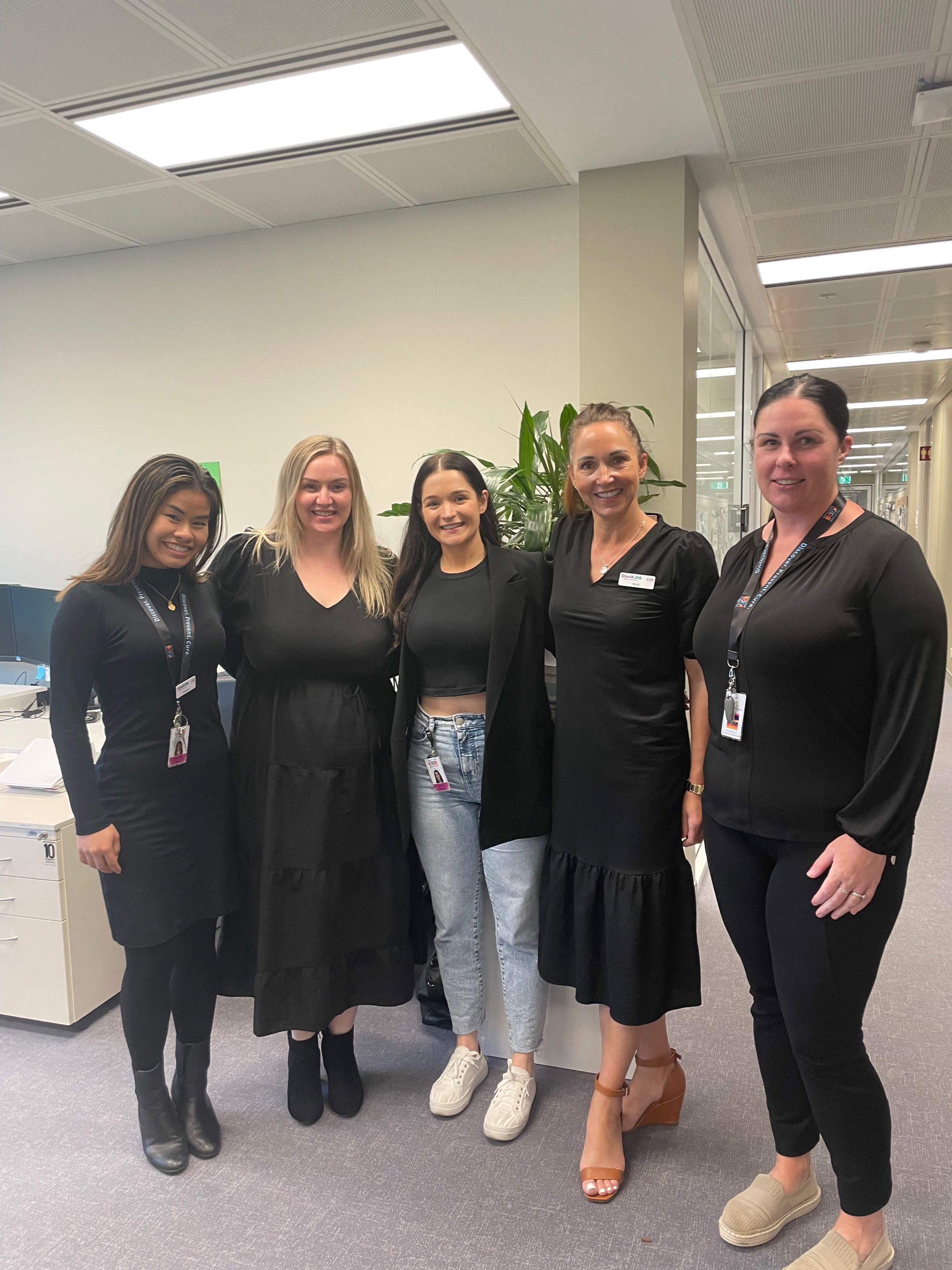
Meet Christina and Danae, the newest members of the Client Support team at CliniKids.
Embrace @ The Kids Research Institute Australia is Western Australia’s first research collaboration devoted to the mental health of infants, children and young people ages 0-25.
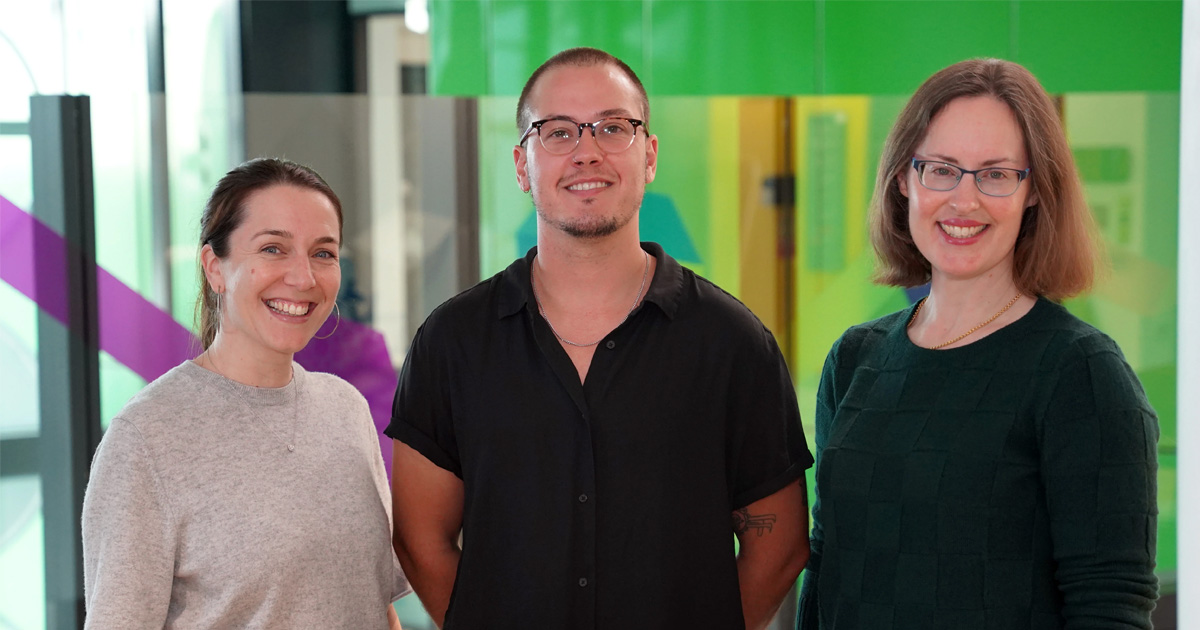
Associate Professor Yael Perry, lead investigator Dr Blake Cavve (both The Kids Research Institute Australia) and Dr Julie Moore (PCH's Gender Diversity Service and UWA)

We want to ensure parents and carers have textbook tips for how to help their children deal with the pressures associated with studying for stressful assessments and for dealing with the results, whatever they may be.