
Search
Patients with haematological malignancies, haemopoietic stem cell transplant recipients and patients requiring admission to intensive care settings are at high risk for invasive candidiasis (IC). Over the past decade, there has been increased reporting of non-albicans species and fluconazole resistance in Australia. These guidelines provide updated evidence-based recommendations for the diagnosis and management of IC in adult and paediatric haematology, oncology and intensive care settings.
Christopher Blyth MBBS (Hons) DCH FRACP FRCPA PhD Centre Head, Wesfarmers Centre of Vaccines and Infectious Diseases; Co-Head, Infectious Diseases
Invasive aspergillosis (IA) in haematology/oncology patients presents as primary infection or breakthrough infection, which can become refractory to antifungal treatment and has a high associated mortality. Other emerging patient risk groups include patients in the intensive care setting with severe respiratory viral infections, including COVID-19.
This article introduces the fourth update of the Australian and New Zealand consensus guidelines for the management of invasive fungal disease and use of antifungal agents in the haematology/oncology setting. These guidelines are comprised of nine articles as presented in this special issue of the Internal Medicine Journal. This introductory chapter outlines the rationale for the current update and the steps taken to ensure implementability in local settings.
Patients with invasive fungal disease (IFD) are at significant risk of morbidity and mortality. A productive partnership between patients, their carers/families, and the multidisciplinary team managing the infection and any underlying conditions, is essential.
COVID-19-associated non-pharmaceutical interventions (NPI) have disrupted respiratory viral transmission. We quantified the changes in paediatric hospital admissions in 2020 from five different NPI phases in Western Australia for acute lower respiratory infections (ALRI) in children in the context of all-cause admissions.
The rollout of vaccines against COVID-19 is prompting governments and the private sector to adopt mandates. However, there has been little conceptual analysis of the types of mandates available, nor empirical analysis of how the public thinks about different mandates and why. Our conceptual study examines available instruments, how they have been implemented pre-COVID, and their use for COVID-19 globally.
Convalescent plasma has been widely used to treat COVID-19 and is under investigation in numerous randomized clinical trials, but results are publicly available only for a small number of trials. The objective of this study was to assess the benefits of convalescent plasma treatment compared to placebo or no treatment and all-cause mortality in patients with COVID-19.
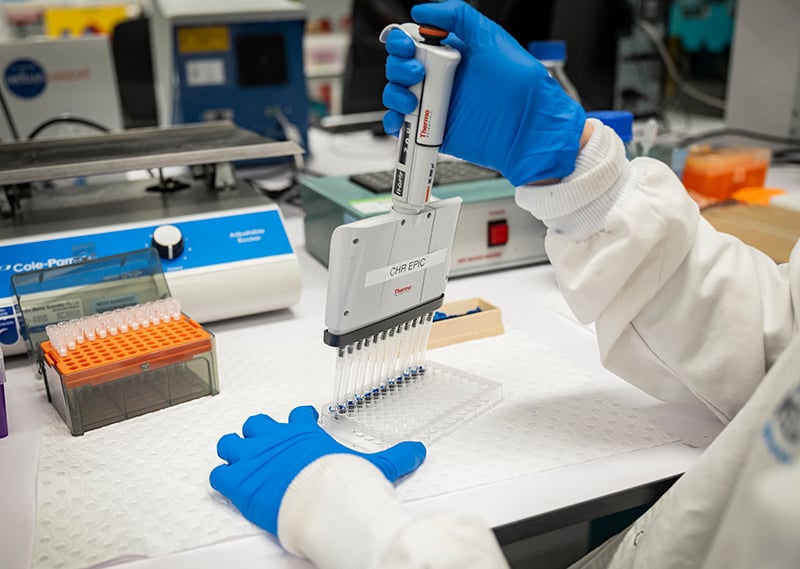
At least 2,000 WA healthcare workers will help test whether an existing tuberculosis vaccine can reduce their chance of COVID-19 infection, lessen the severity of symptoms and boost immunity.

The Kids Research Institute Australia is now part of an ambitious, yet achievable, global bid to produce such one-shot vaccines.