
Search
Showing results for "early lung health"
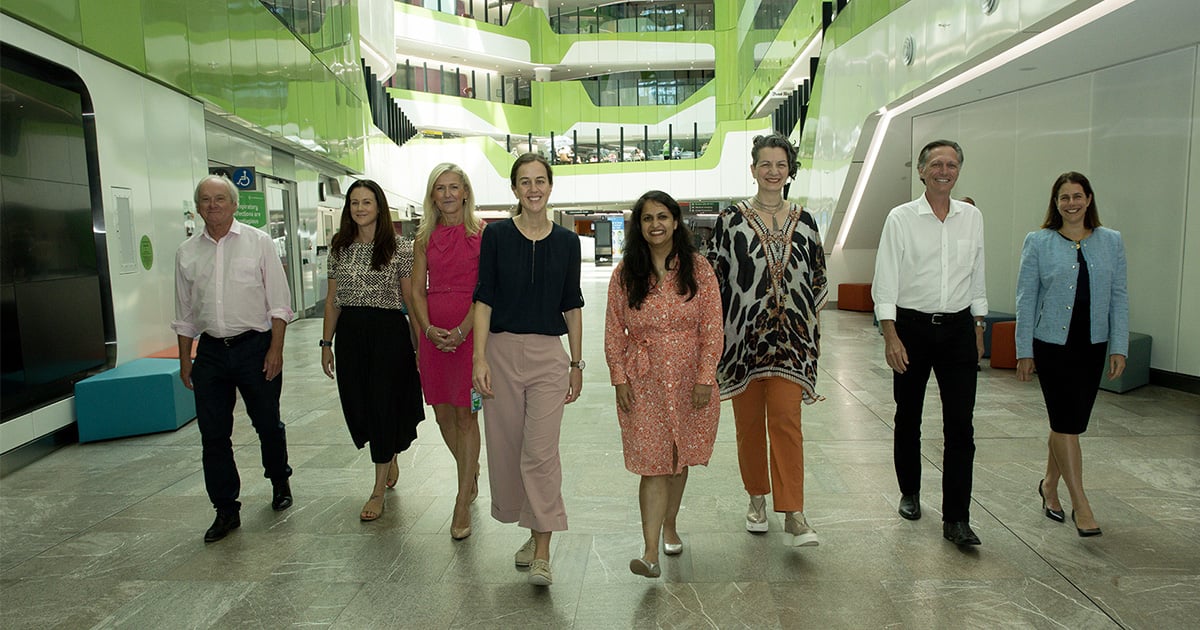
Two outstanding Perth Children’s Hospital clinicians will be supported to pursue a career in medical research, paving the way for more clinician-scientists in Western Australia.
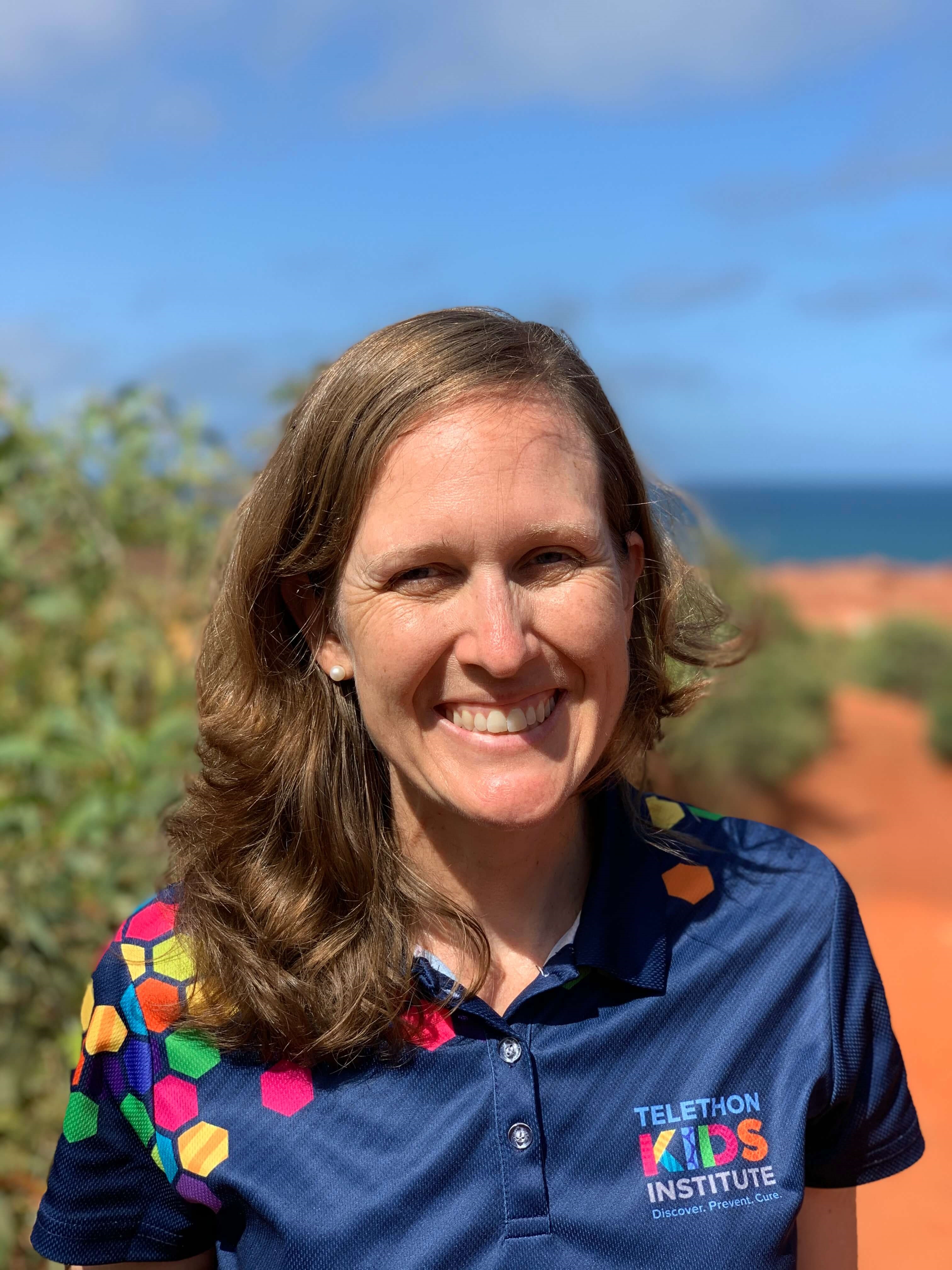
Paediatric infectious disease expert and clinician-scientist Associate Professor Asha Bowen has been named as the Emerging Leader in Science at the country’s most prestigious science awards – the Australian Museum Eureka Prizes.

Energy drinks have been linked to adverse health effects in children.
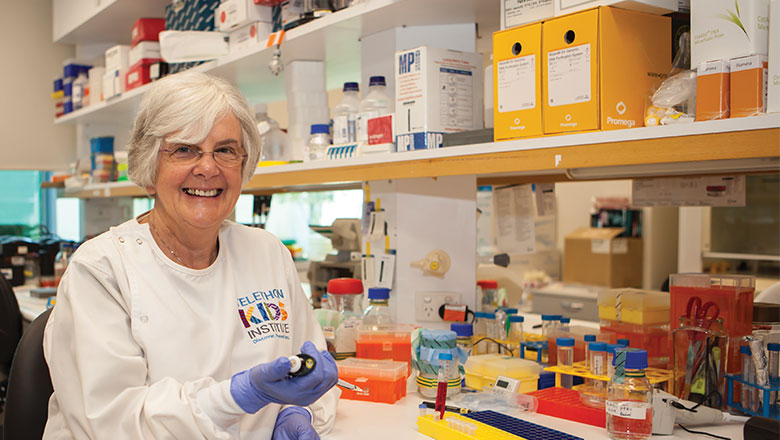
Winning the support of a remote Aboriginal community paved the way for a pioneering genetics study.
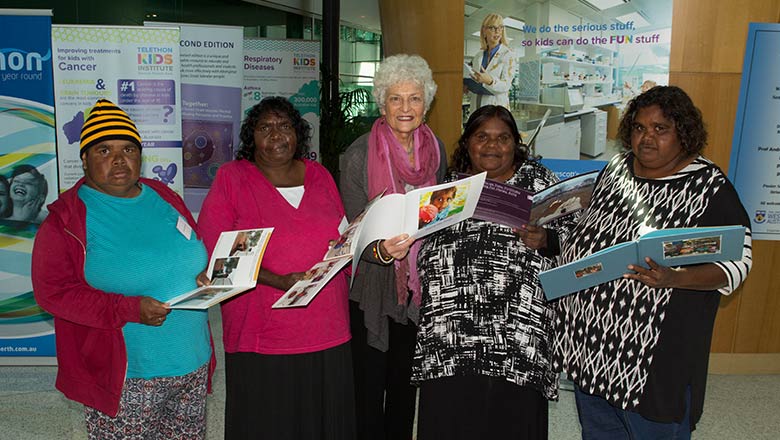
An NHMRC grant to develop a program to improve school outcomes in the Ngaanyatjarra lands has helped create books reflecting Aboriginal experiences.
A new study has found that the rate of caesarean sections in Western Australia has almost doubled in a 20 year period to 2003.
Adam Punam Susan Saddler Amratia Rumisha PhD PhD PhD (Biostatistics) Senior Research Officer Honorary Research Associate Honorary Research Associate

A new rapid research funding model is translating into quick results.

Congratulations to two of The Kids Research Institute Australia’s most respected female researchers – Professor Donna Cross and Professor Britta Regli-von Ungern-Sternberg – on being inducted into the Western Australian Women’s Hall of Fame.
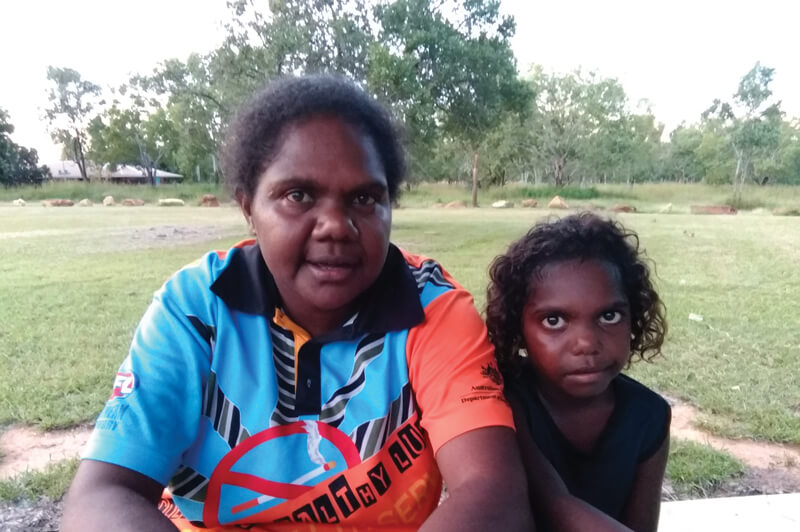
Collaboration is the driving force behind ‘END RHD Demonstration Communities’ – a new community-driven, research-backed approach to tackling rheumatic heart disease (RHD) in remote Australia.