
Search
Showing results for "early lung health"

The period of transition between paediatric (child) services and adult-based services is a sensitive one for patients with diabetes.
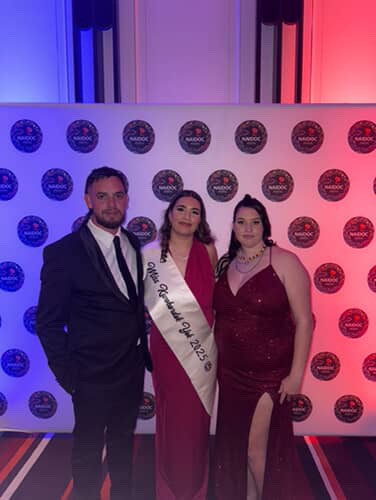
Aboriginal researchers from The Kids Research Institute Australia have been recognised for their contributions to their communities at multiple awards ceremonies over the weekend.
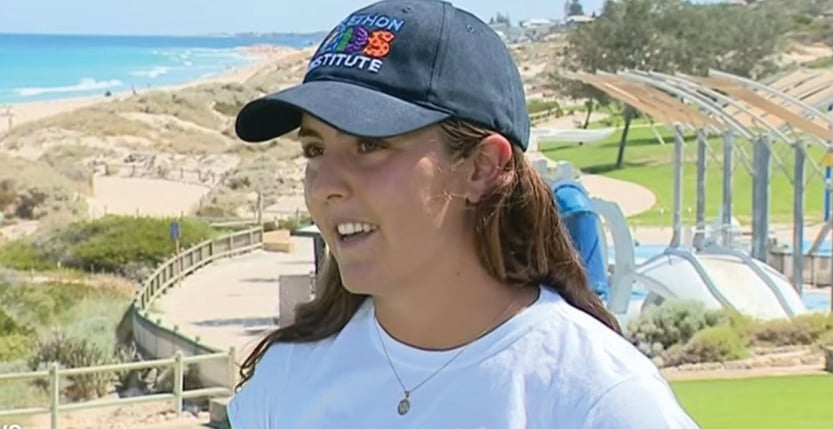
We were honoured to hear the story of the incredible Darcey Brooks who is tackling the Rottnest Channel Swim this Saturday to help raise money for research here at The Kids.
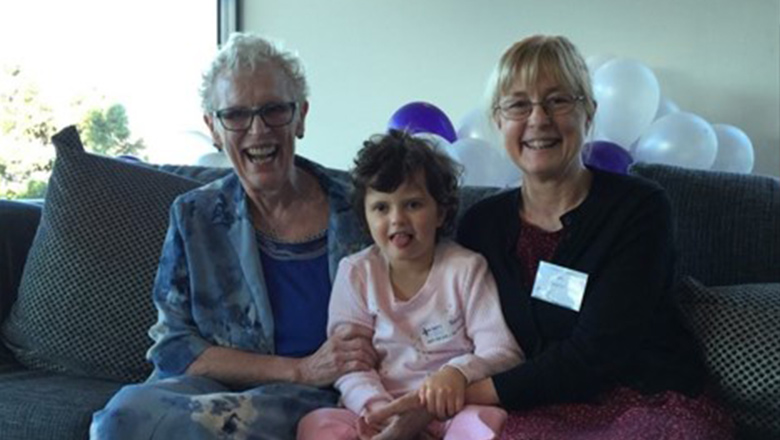
Our InterRett team visited Geelong, Australia to attend the first ever Rett Syndrome Association of Australia national conference.
A comparison between the first and second national surveys of youth mental health
Contact us If you'd like to get in touch, please contact us by phone or email. Phone: 0400 450 240 Email: vtg@thekids.org.au PAEDS Paediatric Active
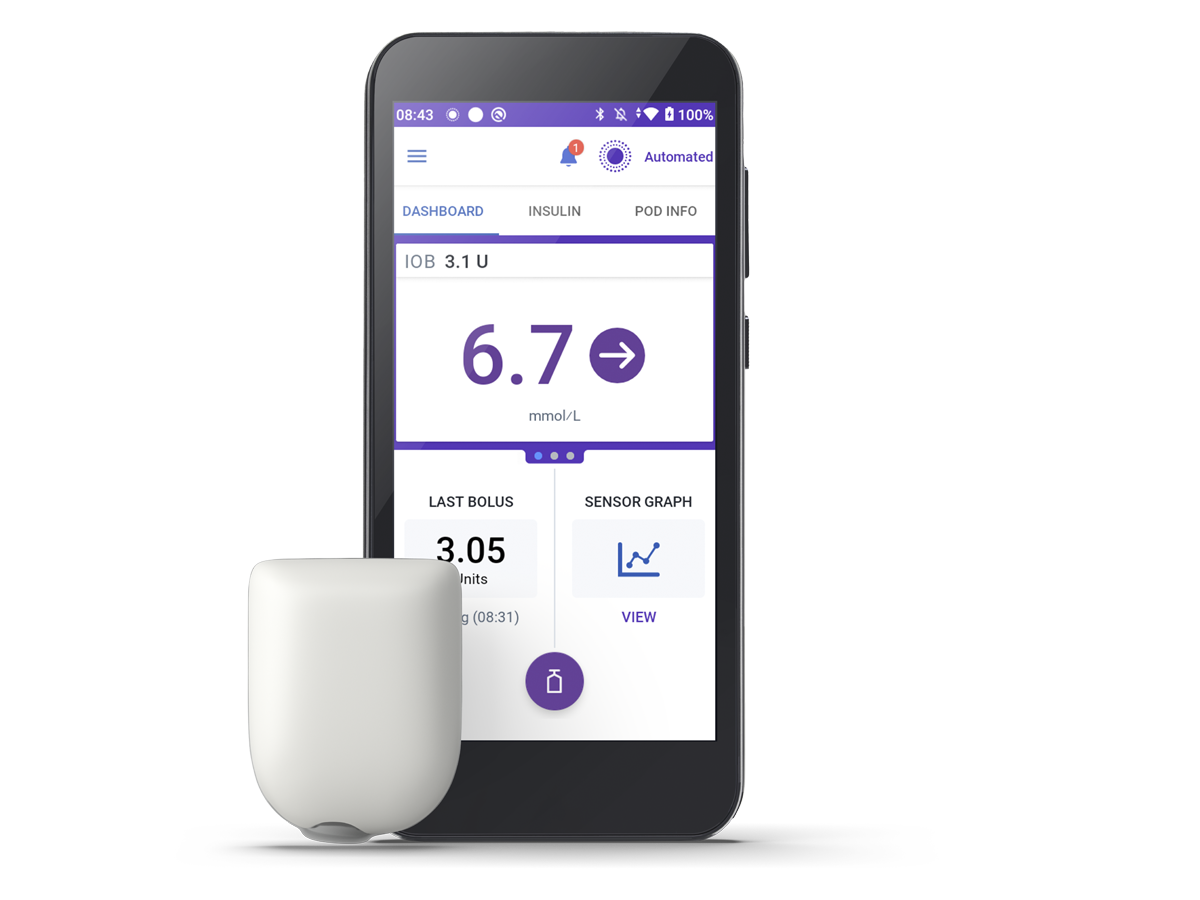
The research team at Perth Children's Hospital and the Children's Diabetes Centre are looking for participants to be involved in the new Omnipod 5 study
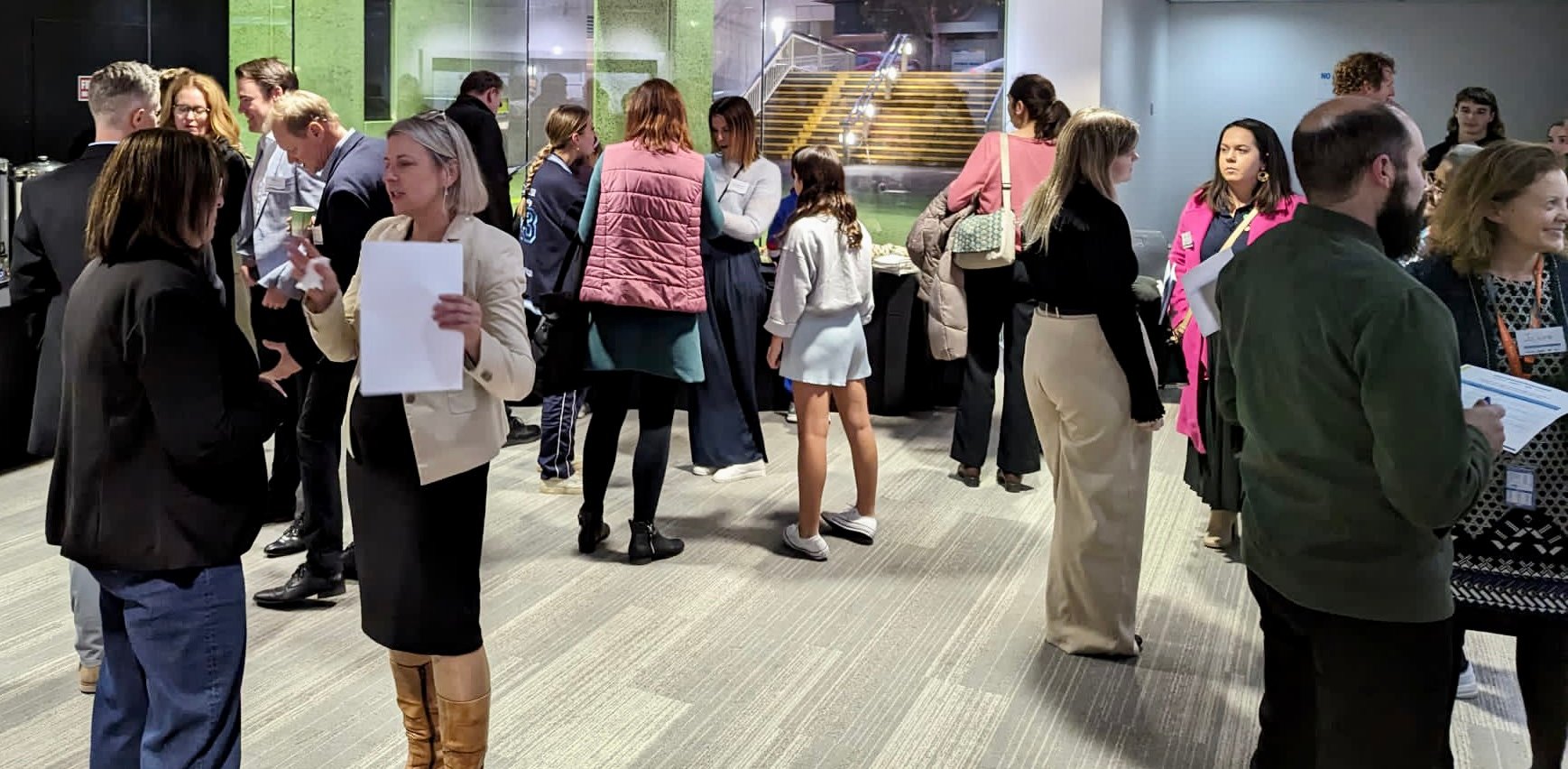
The Rio Tinto Children's Diabetes Centre, A JDRF Global Centre of Excellence COMMUNITY FORUM - Wednesday 26 July, 2023 Thank you to all those who

We know that caring for a child with type 1 diabetes (T1D) can be incredibly challenging. We also know that caregivers of children with T1D experience high levels of distress and anxiety. We are looking to better understand what this experience is like for caregivers so that we can identify
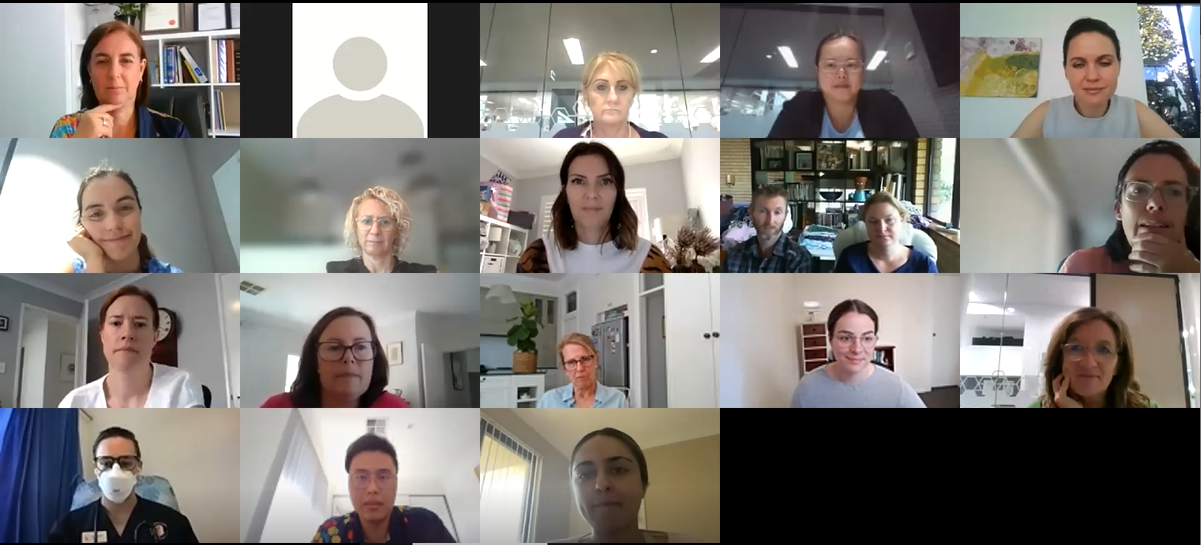
Priority Setting Webinar We recently hosted out first Priority Setting Webinar as a Global Centre of Excellence. It was a great opportunity to hear