
summary: Respiratory viral infections in early life years has been linked to increased risk for ... following respiratory viral infections during ear…

the project Multi-omics analysis to identify early markers of β-cell loss. Dr Joglekars research ... a source of risk-associated biomarkers of early…

An experimental study linked to the Mums Minds Matter project, which aims to determine if pregnant women's willingness to engage in online wellbeing…

Australian 24-Hour Movement Guidelines for the Early Years recommend that young children aged 2-5 ... children are getting enough energetic play in e…
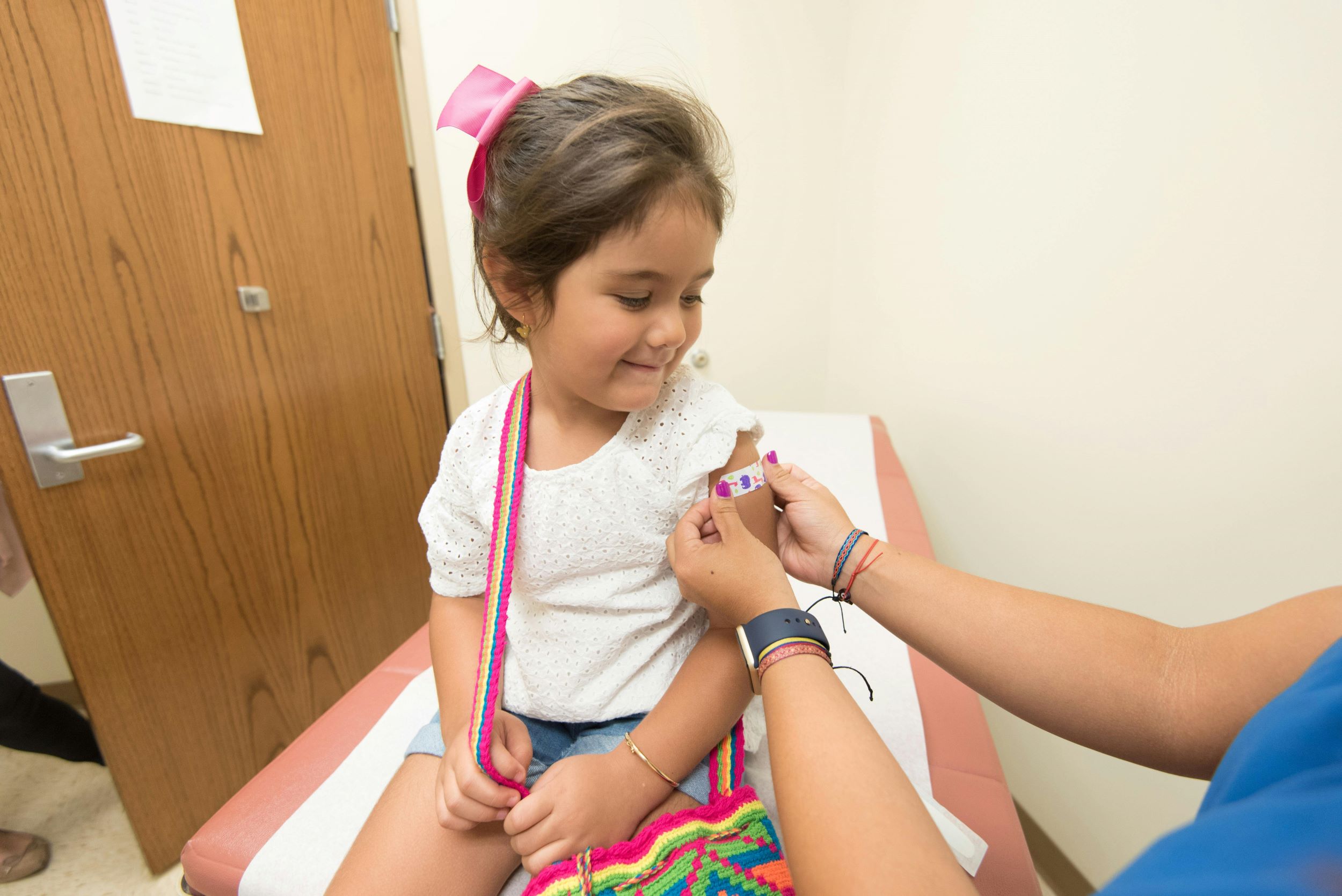
Exploring whether urinary ferritin can be used as an alternative biomarker for measuring iron status in young children over blood draws.
autoimmune condition usually diagnosed in early childhood that can lead to serious long-term, life-threatening

to babies born early, they continue to have lower lung function throughout childhood and adulthood compared ... growth and development through infanc…

Head, Ear and Hearing Health
helped young people who had suffered burns, with childhood trauma researchers from The Kids’ Embrace team providing mental health support early in pa…

Honorary Research Fellow