
Search
Showing results for "early lung health"
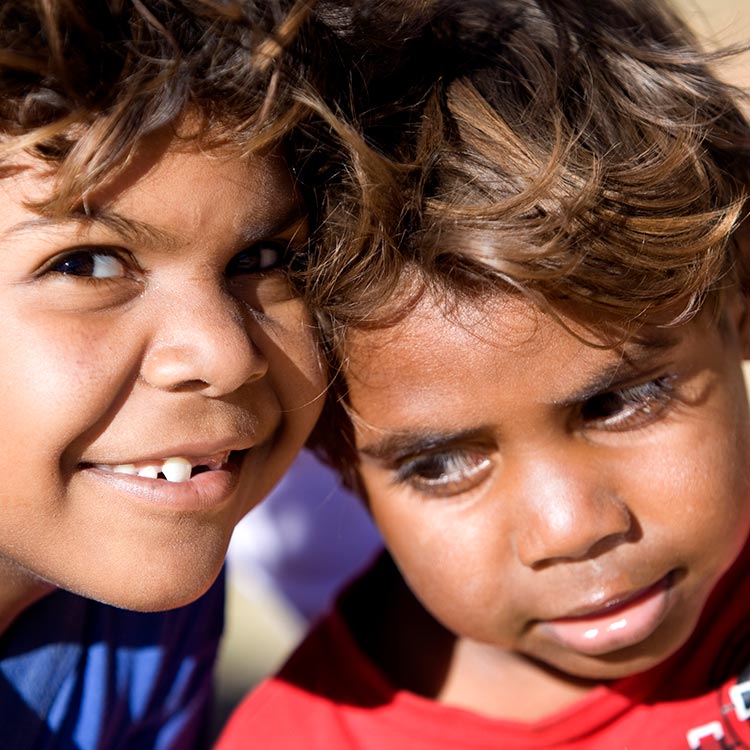
A $6 million commitment from Wesfarmers to Telethon will fund vital research to reduce the impact of chronic ear infections and other serious diseases.
Three Perth researchers from The Kids Research Institute Australia have today been named finalists for the 2016 Australian Museum Eureka Prizes.
Six leading health organisations have joined a new coalition to end rheumatic heart disease in Australia, disproportionately affecting Indigenous Australians.
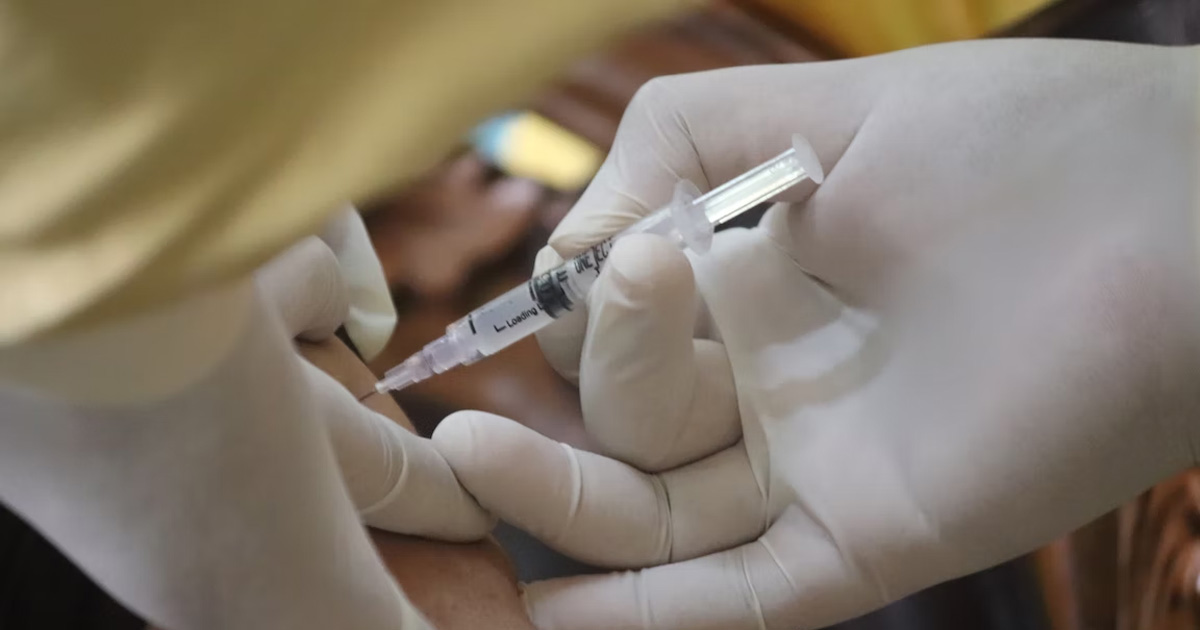
A The Kids Research Institute Australia study has suggested the seasonal flu vaccine for children could also protect them from respiratory syncytial virus (RSV), with the dual benefit easing pressure on hospitals.

Our research focuses on what are the best ways for patients with type 1 diabetes to exercise safely.
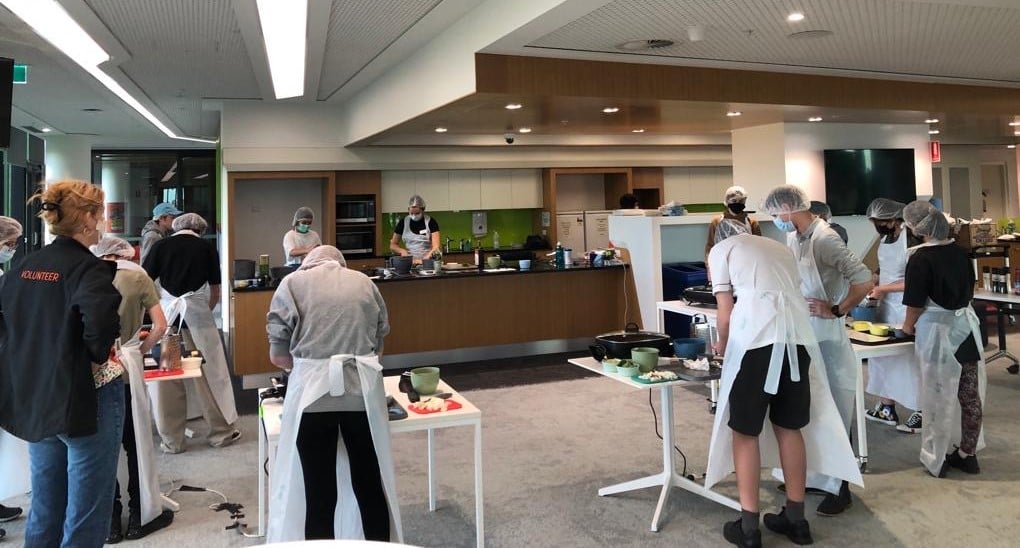
An innovative cooking program, the first of its kind in Australia, is being offered at Perth Children’s Hospital, combining nutrition education and practical cooking skills for teenagers living with type 1 diabetes (T1D).
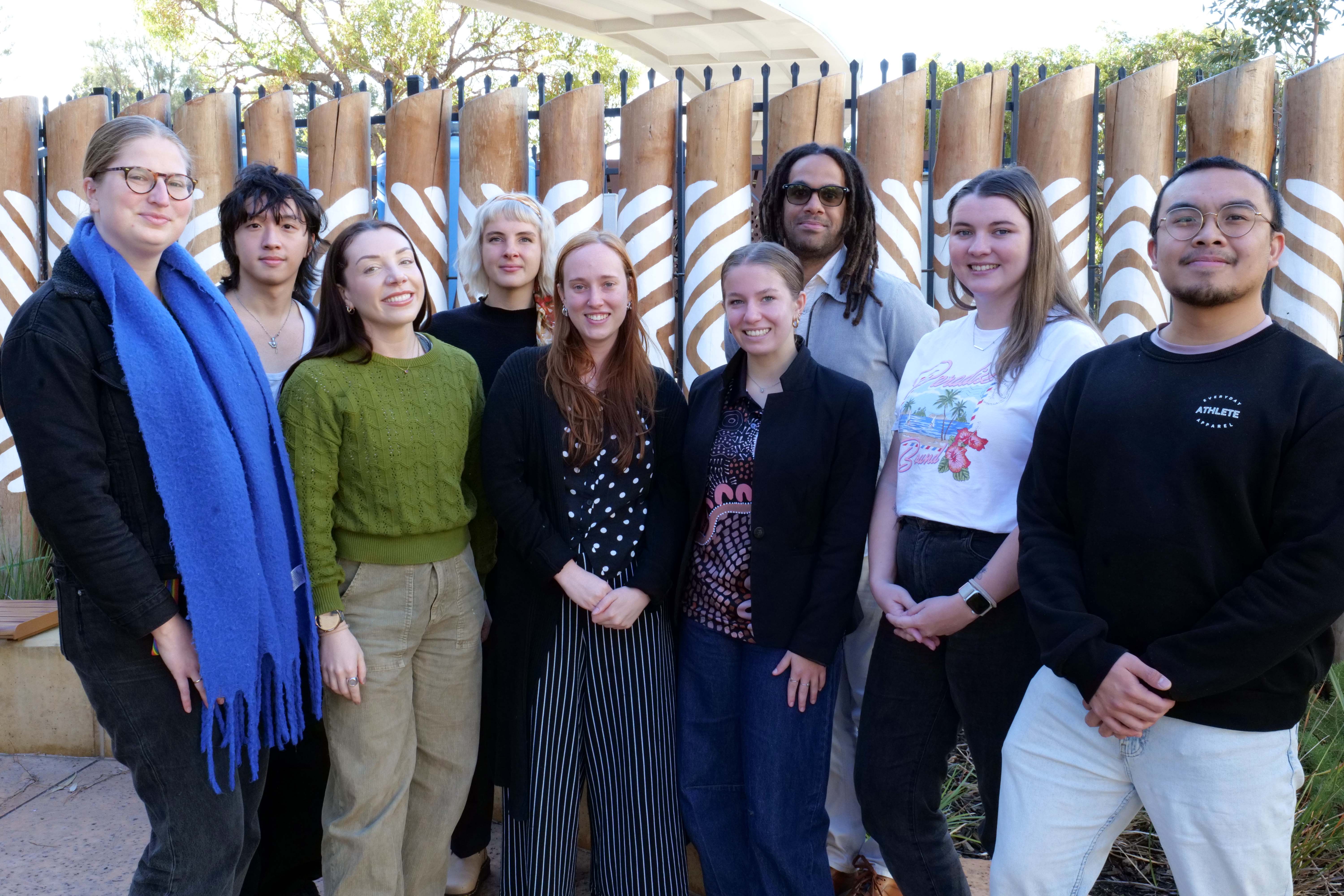
Senior researcher Dr Alix Woolard reflects on the legacy she leaves behind with Embrace Co-Director Professor Helen Milroy AM.
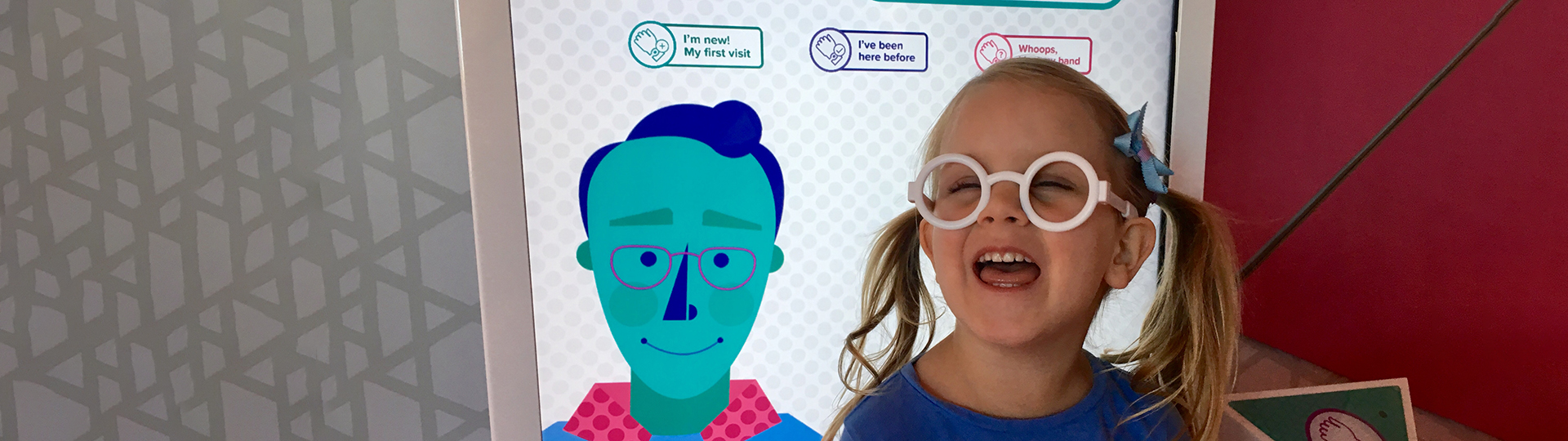
Learn with The Kids – suitable for kids and schools
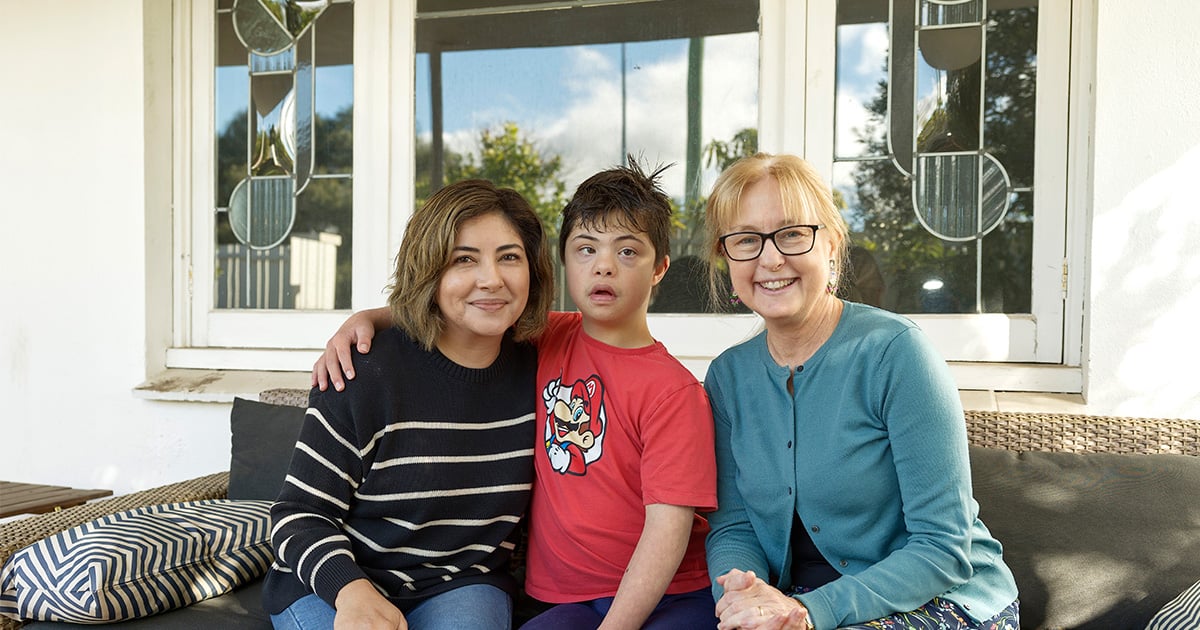
Today, on World Down Syndrome Day, we celebrate the lives, achievements, and invaluable contributions of people with Down syndrome.
The first global review of the effectiveness of current strategies to fight tuberculosis has found preventive therapy is the most effective intervention strategy.