
Search
Emma Helen Glasson Leonard BPsych BSc (Hons) PhD MBChB MPH Senior Research Fellow Principal Research Fellow +61 419 956 946 emma.glasson@
Meet Sophie - she's Australia's first participant in the multi-site Advanced Hybrid Closed Loop study.
Tom Snelling BMBS DTMH GDipClinEpid PhD FRACP Head, Infectious Disease Implementation Research 08 6319 1817 tom.snelling@thekids.org.au Head,
Tom Snelling BMBS DTMH GDipClinEpid PhD FRACP Head, Infectious Disease Implementation Research 08 6319 1817 tom.snelling@thekids.org.au Head,
Alexander David Martyn Larcombe Martino Symons BScEnv (Hons) PhD BSc PhD B.A. (Hons) PhD. Honorary Research Fellow Head, Chronic Diseases Research
Australia’s biggest study into the causes of type 1 diabetes reached a significant milestone when its last Perth-based participant was born recently.
Exploring the link between diabetes and mental health. Story by The West Australian featuring Dr Keely Bebbington.
The tiny south west town of Greenbushes has again proved it has a big heart when it comes to raising funds for charity following the hosting of its sixth annual Fun Run and Mountain Bike Event recently.
The Kids Research Institute Australia welcomes and appreciates all enquiries regarding volunteering opportunities.
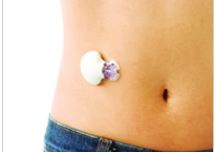
Perth Children’s Hospital’s Diabetes Clinic is holding a Continuous Glucose Monitoring (CGM) information night on Wednesday, May 29.