
Search
Showing results for "early lung health"
Perth children are being asked to volunteer for an important national study to test the effectiveness of an influenza vaccine in children.
The Telethon Institute for Child Health Research today announced a new study investigating a vaccine to prevent infection of Human Papilloma Virus (HPV).
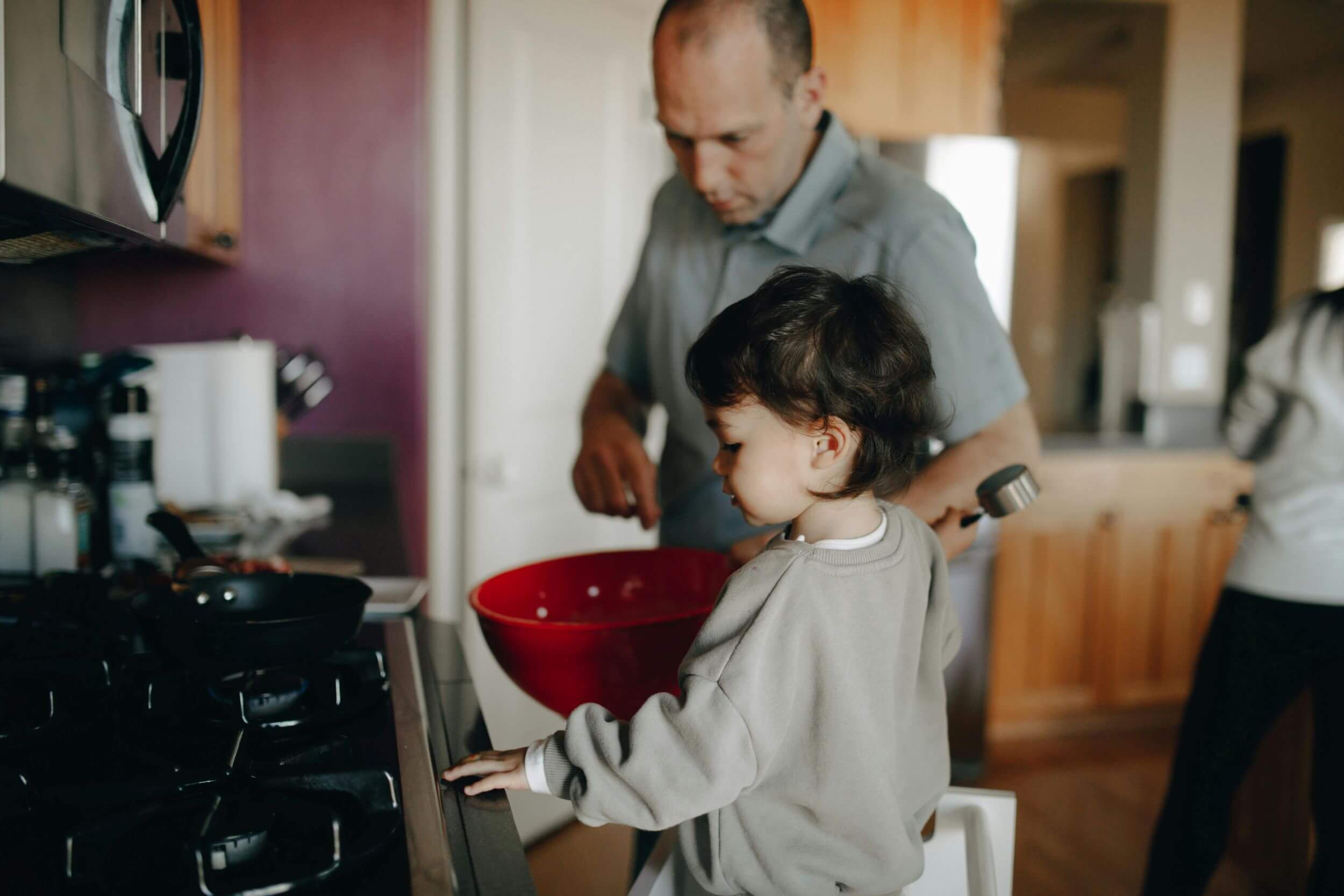
This project aims to investigate the impact of a non-severe burn injury on children's health for life.
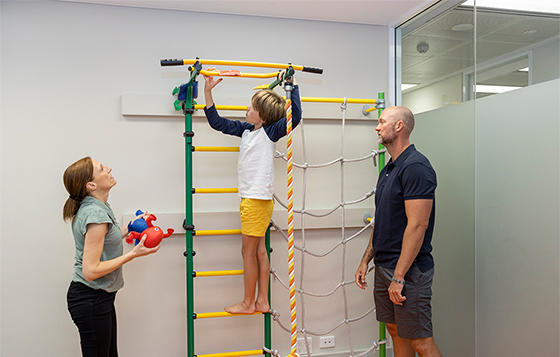
In this blog, Curtin University Occupational Therapy students Julia Walker and Mandy Bull delve into the history of Occupational Therapy in Australia.
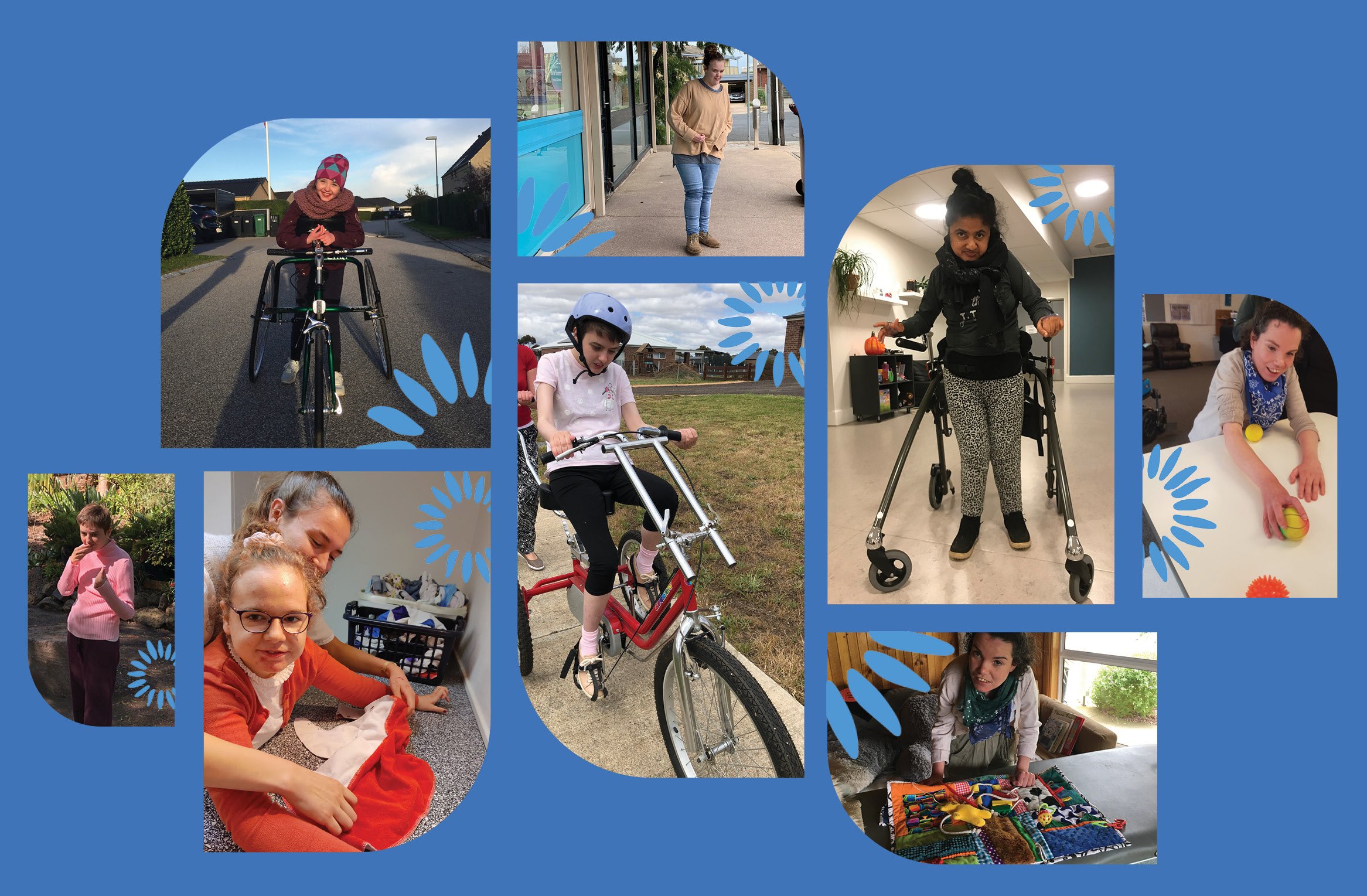
Embrace the potential of children with Rett Syndrome by exploring how to plan opportunities for uptime, maximizing their engagement and participation in meaningful activities.
The Kids Research Institute Australia has secured a State Government grant to prepare a nasal therapy designed to prevent childhood ear infections for a world-first clinical trial.
Australian authorities made COVID-19 vaccines available for children aged under 5 years old with serious comorbidities in August 2022. There is presently no universal programme for young children, but crucial to any rollout's success is whether parents are motivated and able to vaccinate. By examining parents' vaccine intentions, this study aims to inform current and future COVID-19 vaccine roll-outs for children aged under 5 years.
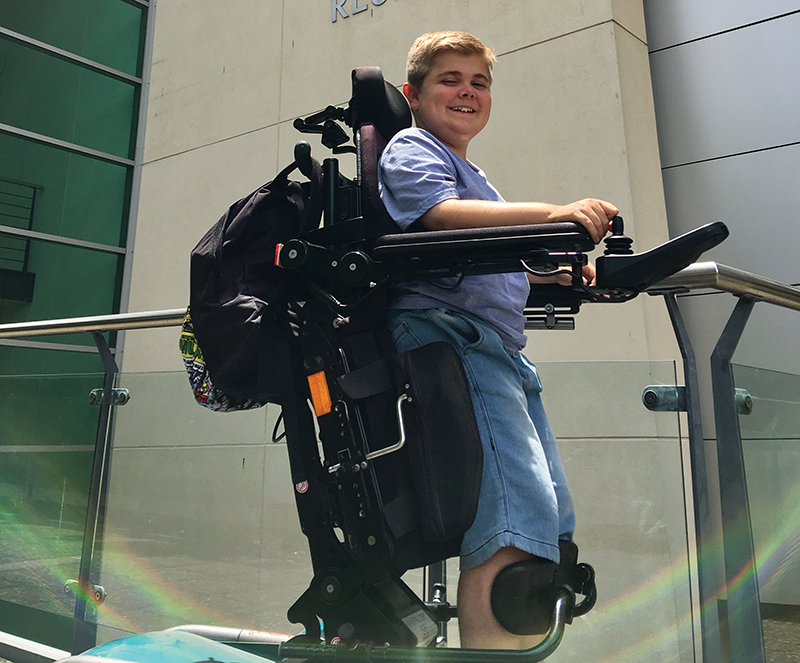
Klair Bayley knew her son Logan would eventually need a wheelchair.
For the first time this year, all Australian babies and children aged six months to four years will be entitled to have a free influenza vaccination.
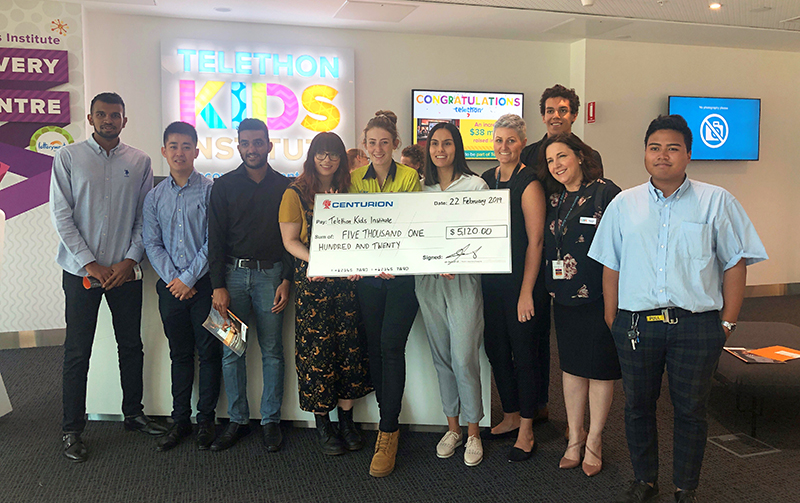
Vacation students from logistics and transport company Centurion raised over five thousand dollars for The Kids Research Institute Australia through a series of fundraising activities.