
Search
Carol Bower MBBS MSc PhD FAFPHM DLSHTM FPHA Honorary Emeritus Fellow 08 6319 1813 carol.bower@thekids.org.au Senior Principal Research Fellow;
Liz Martyn Milne Symons MPH PhD B.A. (Hons) PhD. Honorary Emeritus Fellow Honorary Research Associate 08 6319 1672 martyn.symons@thekids.org.au
Investigators: Elizabeth Connor, James Fitzpatrick, Rebecca Pedruzzi Project partners: Central Australian Aboriginal Congress, Mercy Services,
Investigators: Dave Tucker (PhD candidate), Associate Professor Roz Walker, Dr Martyn Symonds, Dr Nyanda McBride The overarching aim of the proposed
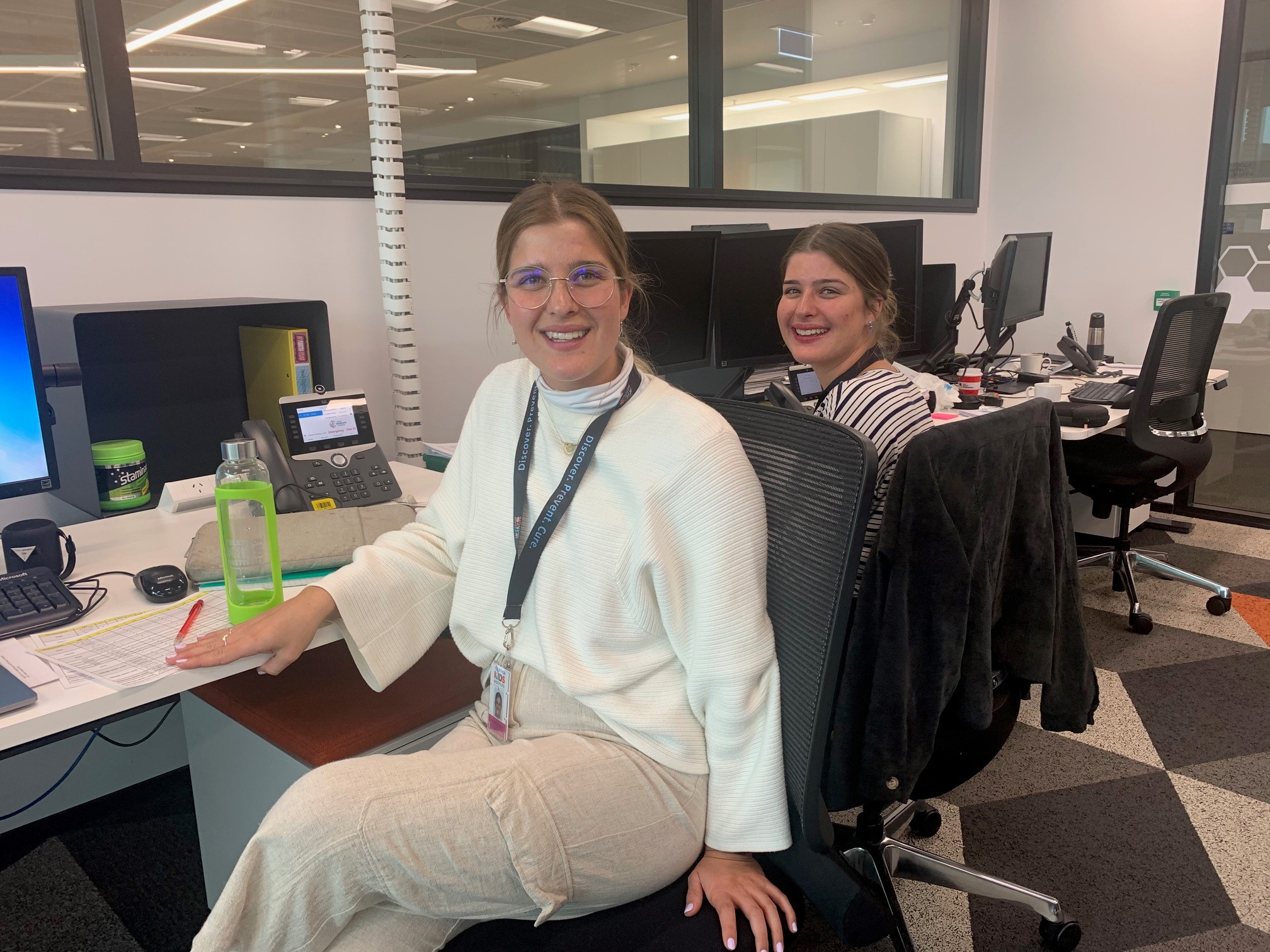
A family link to type 1 diabetes has seen twins Nina and Lara Buonvecchi pursue study in health science – and join the Children’s Diabetes Centre to complete their pracs.

Do you know that the clinical team at Perth Children’s Hospital’s Diabetes Clinic can visit your child’s school to administer glucagon or camp education?
About The Autism Register

The aim of this study is to explore the experience of stigma in adolescents with type 1 diabetes and its association with diabetes self-management and glycaemic control.
Tobias Jenny Strunk Mountain Other Investigators MD, PhD, FRACP MBA MClinEpi Head, Neonatal Health Program Manager, Neonatal Health / Protect Trial
Tobias Jenny Strunk Mountain MD, PhD, FRACP MBA MClinEpi Head, Neonatal Health Program Manager, Neonatal Health / Protect Trial tobias.strunk@