
Search
Showing results for "8"
Receptive vocabulary development is a component of the human language system that emerges in the first year of life and is characterised by onward expansion...
We generated updated estimates of child mortality in various age groups for 188 countries from 1970 to 2013.
Results from studies examining associations between serum 25-hydroxyvitamin D (25(OH)D) concentrations and depressive symptoms are equivocal.
Bacillus cereus can cause serious infections in immunosuppressed patients. This population may be susceptible to B. cereus pneumonia, bacteremia, cellulitis,...
We investigated predictors of nasopharyngeal carriage in Australian Aboriginal and non-Aboriginal children.
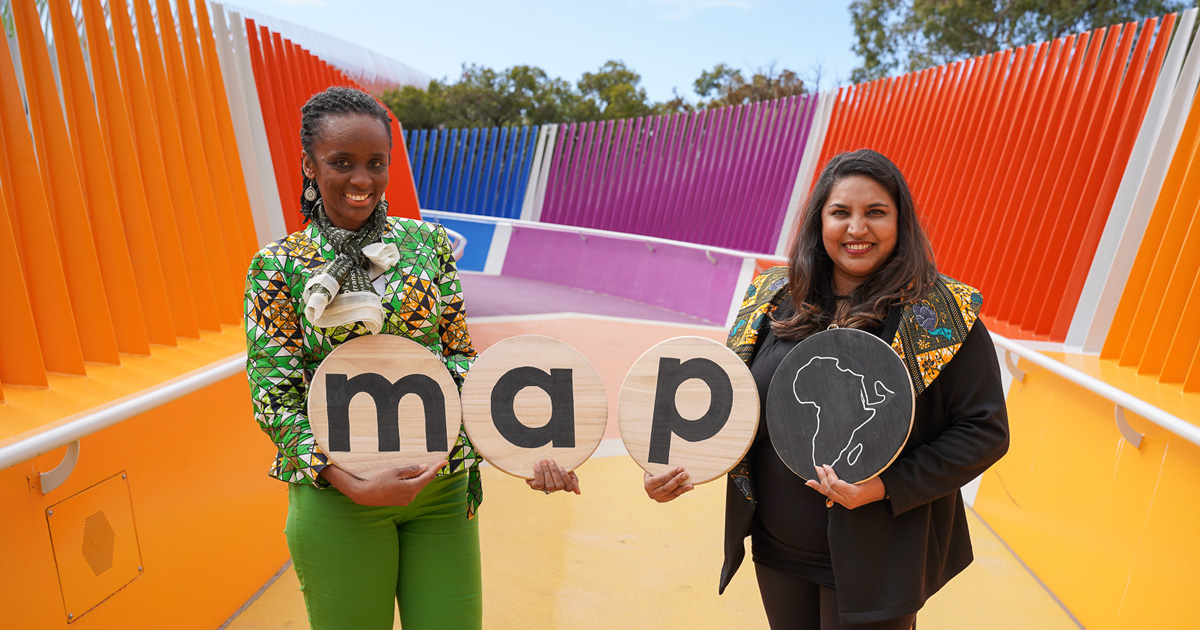
The Malaria Atlas Project (MAP) – which houses the world’s largest malaria database and is at the forefront of efforts to track and tackle the disease – has been awarded more than $16 million by the Bill & Melinda Gates Foundation.
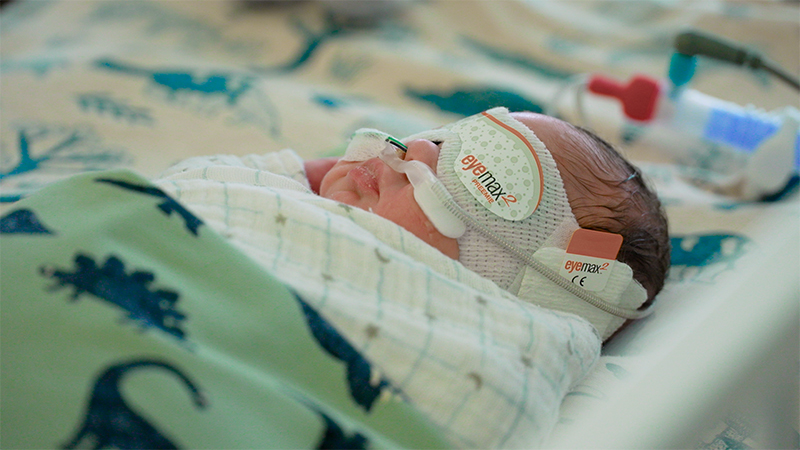
Researchers will fit nearly 500 preterm babies with tiny eye masks and earplugs for the study.

The benefits of owning a dog start even earlier than previously thought show new research from The Kids Research Institute Australia.
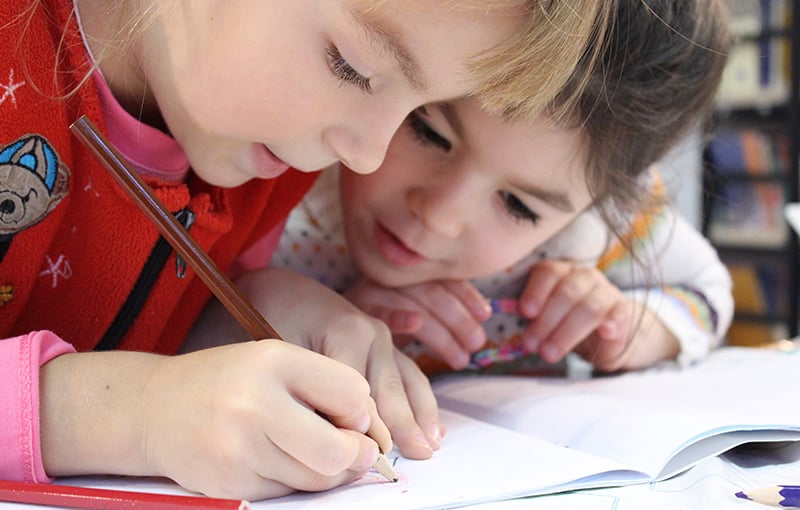
A new study by researchers at The Kids Research Institute Australia has found there is a bigger picture to consider when determining whether a child is ready to start school.
A child's ability to communicate is one of their most important developmental achievements. It builds a foundation for everything that is to come.