
Search
Showing results for "early lung health"
The Opportunity This opportunity is within the Neonatal Research Group at The Kids Research Institute Australia. Our core medical and clinical
The Role Our helpful part time Welcome Crew deliver first class services to our visitors using a range of different technologies in line our vision
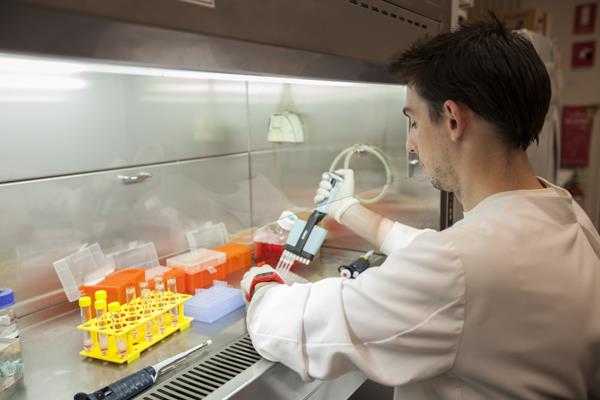
Our research teams are among the world’s best and we have strong affiliations with Perth Children's Hospital and all major Western Australian universities, particularly The University of Western Australia and Curtin University.
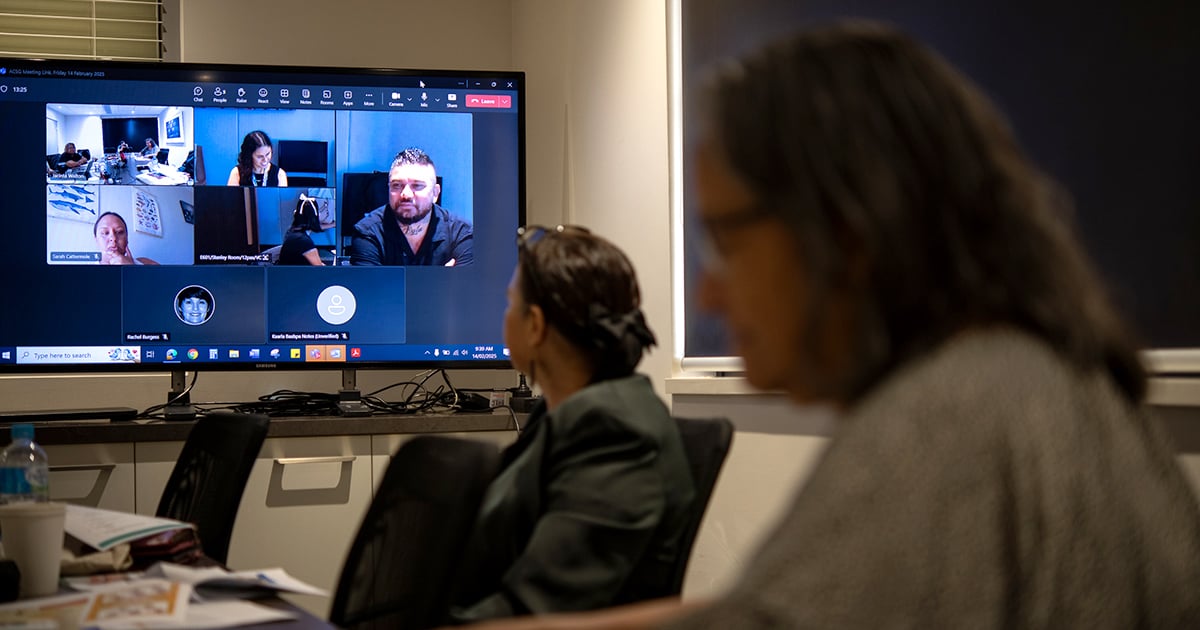
The Kids Research Institute Australia has been awarded its first Science in Australia Gender Equity (SAGE) Cygnet Award, recognising its progress in embedding flexible work practices that support equity and inclusion.

Not only are cooked eggs perfectly safe to eat during pregnancy, they are also a great way to boost nutrient intake for both mums and bubs.
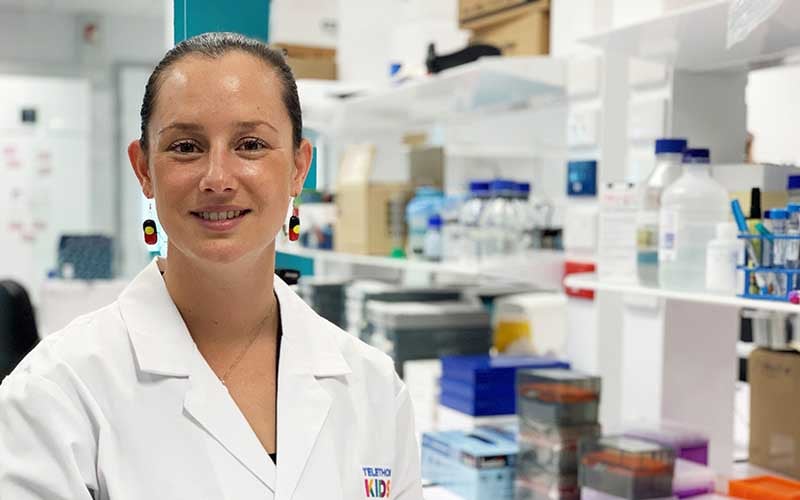
One of The Kids Research Institute Australia’s leading young researchers will travel to the world’s premier conference on childhood brain cancer.
Dr Hayley Passmore is among four nominees for Western Australia’s 2022 Young Australian of the Year.
Most mums-to-be have never heard of CMV and the impact it can have on their unborn baby.
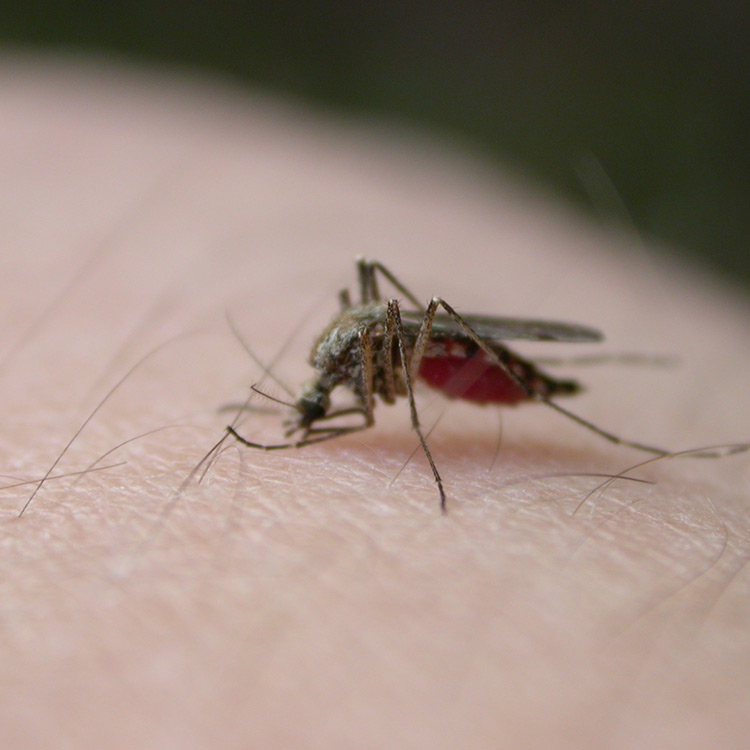
WA Researchers have conducted an Australian-first study to determine the prevalence of microcephaly, in preparation of any future outbreak of the Zika virus.
Research by The Kids has shown a significant decline in the risk of birth defects amongst WA children born using Assisted Reproductive Technology.