
Search
Showing results for "early lung health"
The introduction of the Hib (Haemophilus influenzae type b) vaccine to the childhood immunisation schedule has resulted in a dramatic drop
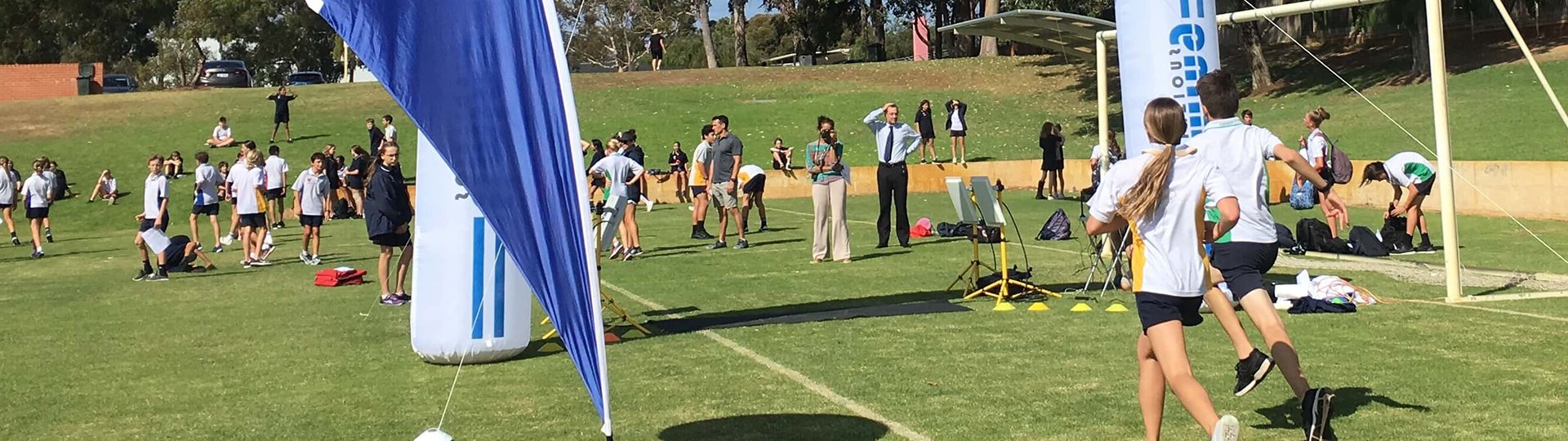
You are so valuable to us! Not only can you help fund our research into what makes kids healthy and happy, but you can also raise awareness of how important that work is.
The Opportunity We have an exciting opportunity available for an enthusiastic and motivated Administrative Assistant to provide administrative
The Opportunity The Kids Research Institute Australia is looking for a motivated individual who would like to join the Information Communication and
The Opportunity This is an excellent opportunity to work closely with members of the Autism Research Team and CliniKids to assist in the delivery of
The Opportunity The Communications and Development team implements the Institute's overall communications, stakeholder engagement, marketing and
clinical psychologist
The Opportunity You will provide effective and efficient administrative support for the designated researchers and research teams within the AREST CF
The Opportunity An exciting opportunity exists for an experienced molecular microbiologist to lead a commercial collaboration between The Kids
identifying mechanisms of cancer development generation of appropriate models of these diseases evaluation of novel therapeutics and translation of discoveries into the clinic