
Search

People
Holly MossHolly Moss is a research assistant on the Youth Mental Health team at The Kids Research Institute Australia.
News & Events
Event: Moving beyond crisis: How youth mental health research can build a better futureOn the 9th of November from 5:30 to 7:30pm, Embrace @ The Kids Research Institute Australia, in partnership with Rio Tinto, invites you to a free public panel discussion on permacrisis and the mental health of young people.
The Healing Kids, Healing Families team at The Kids Research Institute Australia strives to improve child and family mental health and wellbeing, especially after experiencing trauma or adversity.
News & Events
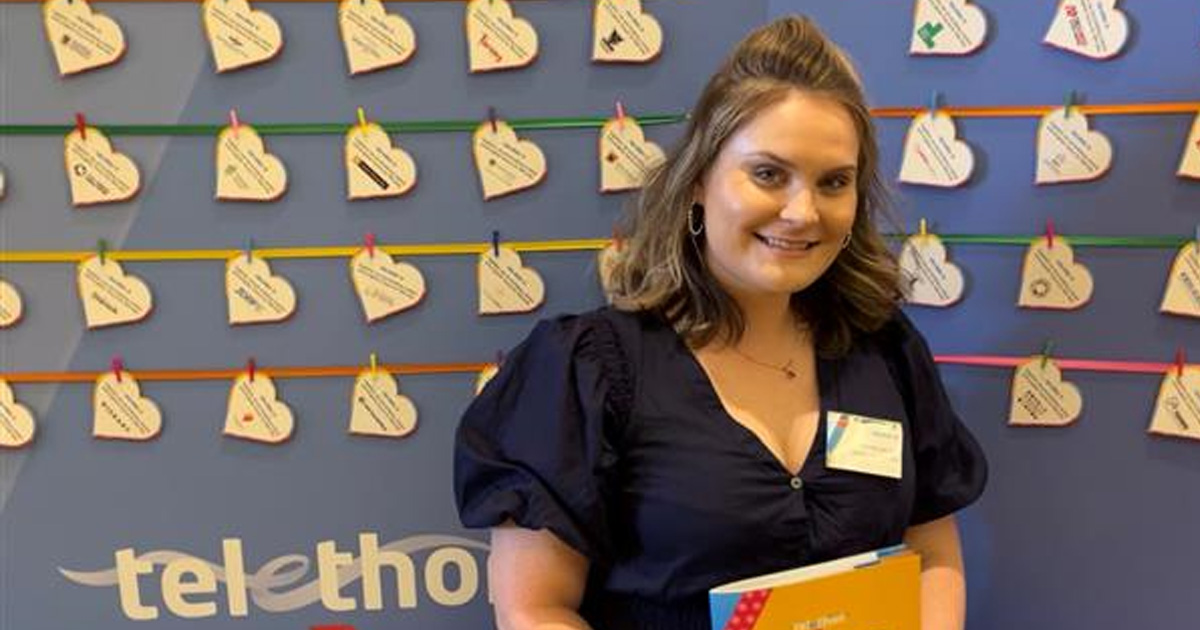
Anaesthesia, suicide prevention and rare disease research supported by Telethon 2022The generous support of West Australians through Channel 7’s Telethon Trust will help support vital child health research at The Kids Research Institute Australia in 2023.
Research
Retrospective Examination of Peripubertal Return for Patients of Western Australia's Gender Diversity ServiceChildren far in advance of pubertal development may be deferred from further assessment for gender-affirming medical treatment until nearer puberty. It is vital that returning peripubertal patients are seen promptly to ensure time-sensitive assessment and provision of puberty suppression treatment where appropriate.
Research
Trans Young People’s Experiences of Nonsuicidal Self-InjuryNonsuicidal self-injury (NSSI) is particularly common among trans young people. Trans young people tend to experience high levels of emotional distress due to the unique stressors they face, and often use NSSI as an emotion regulation strategy. These stressors include gender dysphoria, body image concerns, and transphobic experiences.
Research
Individual-Level Risk and Resilience Factors Associated with Mental Health in Siblings of Individuals with Neurodevelopmental Conditions: A Network AnalysisSiblings of individuals with neurodevelopmental conditions (NDCs) are exposed to unique family environments and experience a range of psychosocial risk and resilience factors.
Research
Conceptualising Wellbeing for Australian Aboriginal LGBTQA+ Young PeopleIt is likely that young people who are both Aboriginal and Torres Strait Islander and LGBTQA+ would be at increased risk for poor mental health outcomes due to the layered impacts of discrimination they experience; however, there is very little empirical evidence focused on the mental health and wellbeing of Aboriginal and Torres Strait Islander LGBTQA+ young people. The current study represents a qualitative exploration of wellbeing among Aboriginal LGBTQA+ young people.
Research
Mental Health Literacy for Supporting Children: A Systematic Review of Teacher and Parent/Carer Knowledge and Recognition of Mental Health Problems in ChildhoodThe level of mental health literacy (MHL) in adults who work with or care for children is likely to influence the timeliness and adequacy of support that children receive for mental health problems.
Research
Has the Prevalence of Child and Adolescent Mental Disorders in Australia Changed Between 1998 and 2013 to 2014?This study examined whether the 12-month prevalence of major depressive disorder, attention-deficit/hyperactivity disorder, and conduct disorder among 6- to 17-year-olds in Australia changed between 1998 and 2013 to 2014. It also investigated whether changes in the prevalence of disorders over this time varied for children living in families containing 2 parents versus single parents, and families with high versus low income.