Skip to content
The Kids Research Institute Australia logo
Donate

Search

Association Between First-Trimester Medication Exposure in Pregnancy and Congenital Anomalies: A Scoping Review of Cohorts, Exposure, Trimester and Congenital Anomaly Definitions

The risk of congenital anomalies following first-trimester medication exposure is an important indicator of medication safety during pregnancy. Retrospective cohort studies using routinely collected data are commonly used to assess this risk, yet methodological inconsistencies-such as how cohorts, exposures, timings and outcomes are defined-can compromise reproducibility and validity. This scoping review examined the methodologies used in retrospective cohort studies assessing the association between first-trimester prenatal medication exposure and congenital anomalies.

Rare Occurrence of Congenital Neuroblastoma and Tuberous Sclerosis

Citation: Gardner M, Shah S, Jain N, Bynevelt M. Rare Occurrence of Congenital Neuroblastoma and Tuberous Sclerosis. Pediatr Neurol. 2026;176:62-3.

Wet Cough

A wet cough in a child for more than four weeks could indicate infection in the lungs. The wet cough is caused by mucus in the airway. The mucus becomes infected with bacteria and causes airway inflammation that can progress to permanent lung damage known as bronchiectasis.

The impact of child self-regulation difficulties on parents: A qualitative study

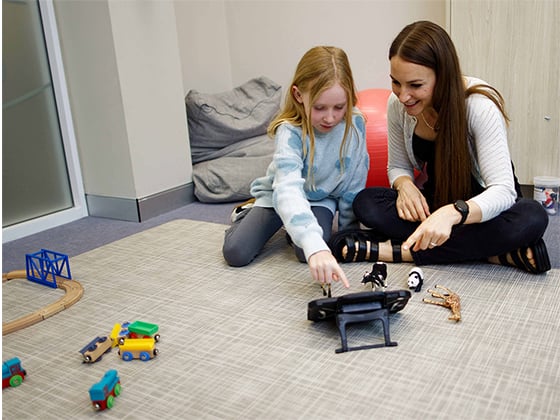
The capacity for children to self-regulate is an important developmental task of early childhood, with caregivers playing an integral role in self-regulation development. While caregivers' emotions and behaviors are known to impact child self-regulatory capacity, the impact of child self-regulation difficulties on parents is less understood. 

Wideband Absorbance Among Aboriginal and/or Torres Strait Islander and Non-Aboriginal Children With Suspected Otitis Media Living in an Australian Urban Area

Otitis media (OM) is a significant health concern, particularly among Aboriginal and/or Torres Strait Islander children who experience one of the highest rates of OM globally. This study aimed to evaluate the use and differences of wideband absorbance at ambient pressure (WBA) among urban Aboriginal and/or Torres Strait Islander and non-Aboriginal children with suspected OM based on standard tympanometry.

Reports and Findings

Discover more about Telethon Kids Institute research.

Questions about COVID-19 and kids

With the number of COVID-19 infections in Western Australia continuing to grow – including confirmed cases in children – The Kids Research Institute Australia understands that our community is growing increasingly worried.

Measles

Measles is a highly contagious infectious disease that can cause severe, long-term complications in children.

New eczema storybook to promote healthy skin

In close partnership with Aboriginal Elders and community members in Western Australia's south-west, we created ‘Kaal Tackles Eczema’, a children’s book to help Aboriginal families manage eczema. Our research showed a high prevalence and need for culturally relevant resources. The book uses Noongar language and art to educate and reduce infections, and is available online and in schools.

Down Syndrome

Down syndrome, also known as Trisomy 21, is one of the most common chromosome abnormalities in humans. It occurs when a child's cells end up with 47 chromosomes instead of the usual 46. Down syndrome causes intellectual disability and other physical and learning challenges.