
Search

The burden of having T1D is enormous and our researchers are conducting a study trying to understand how we can help relieve diabetes distress.

The deadline for ATAR exam special provisions is still open for newly diagnosed Type 1 Diabetes patients.

Adolescents and young adults with Type 1 Diabetes are invited to be co-researchers at a summit to help develop the Children’s Diabetes Centre’s new exercise gui

Volunteers are needed for the upcoming camp for 11 and 12-year-olds living with Type 1 Diabetes.

Congratulations to Children’s Diabetes Centre clinical research coordinator Niru Paramalingam who is the recipient of a 2017 The Kids Research Institute Australia Kudos Award
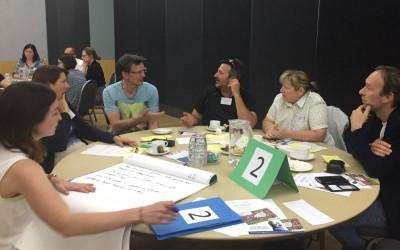
The Children's Diabetes Centre recently held its first-ever Community Conversation for the diabetes community to have their say on issues important to them.

Congratulations to Dr Vinutha Shetty who has been awarded a Type 1 Diabetes Clinical Research Network’s Mentored Clinician Researcher Fellowship Award for 2017.
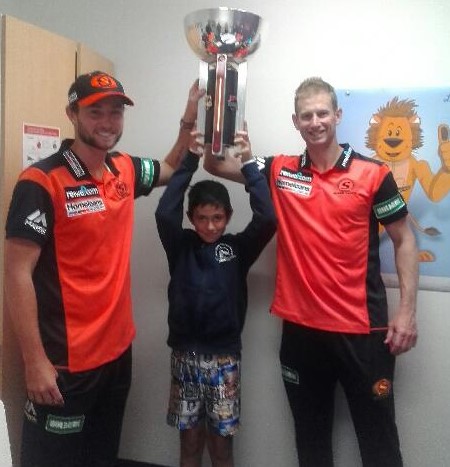
Players from Perth Scorchers’ KFC Big Bash team paid an unexpected visit to cricket fans in PMH’s diabetes ward recently.

ACE inhibitors and statins are well tolerated in teenagers with Type 1 Diabetes but more evidence is required to demonstrate whether they are effective
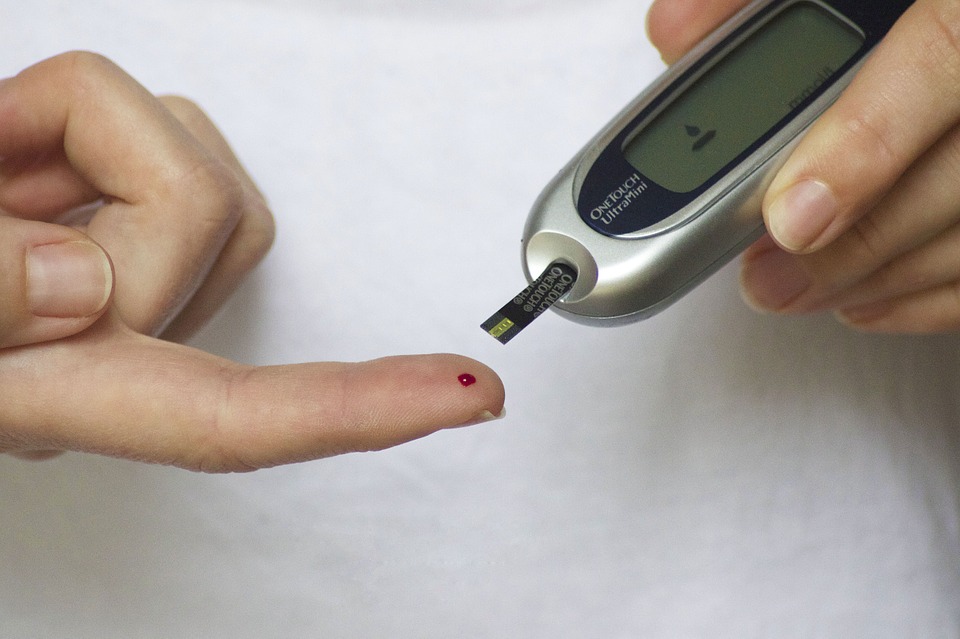
Children's Diabetes Centre co-director Professor Tim Jones talked to Medical Forum WA about the findings of the global landmark AdDIT trial.