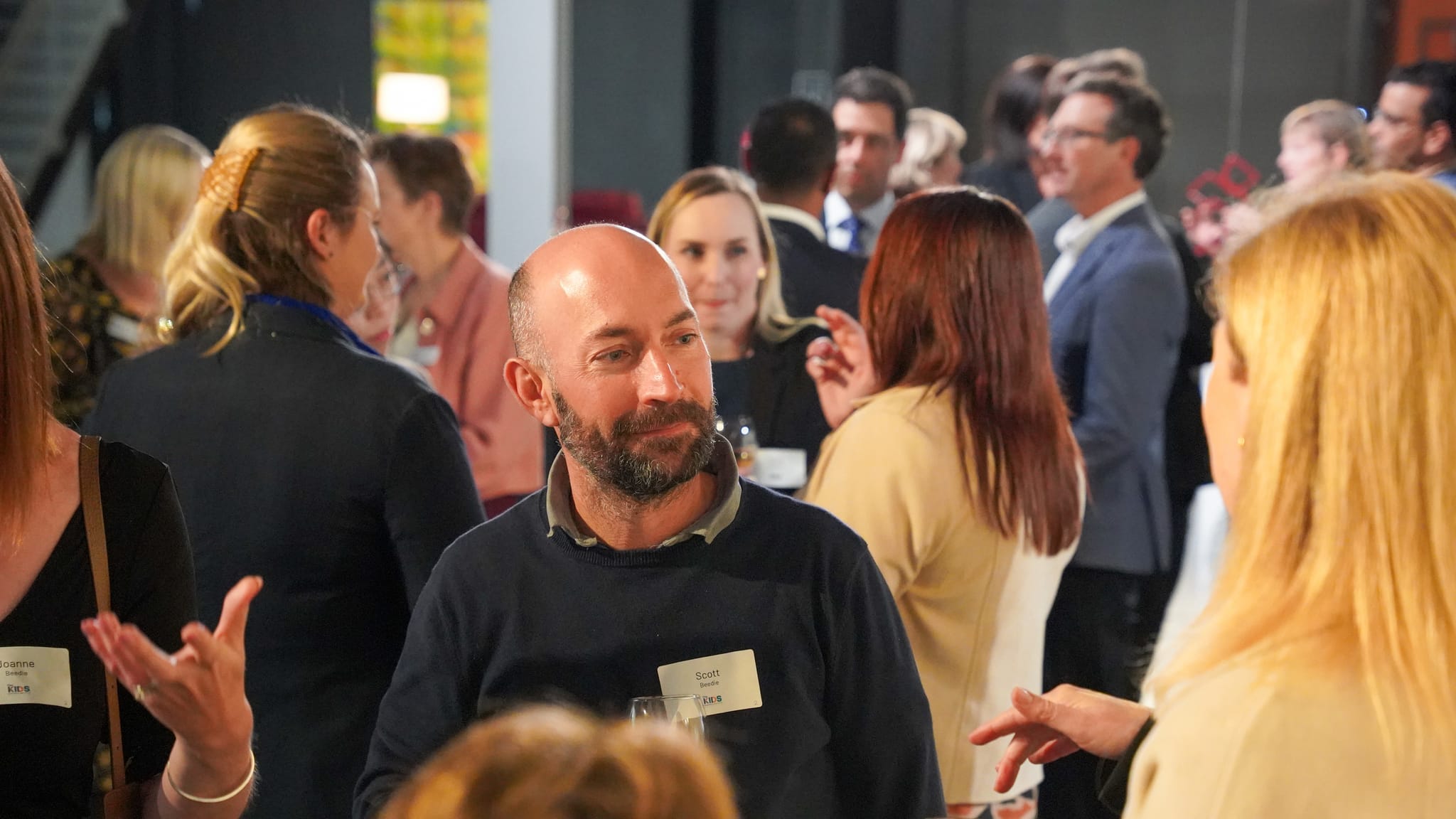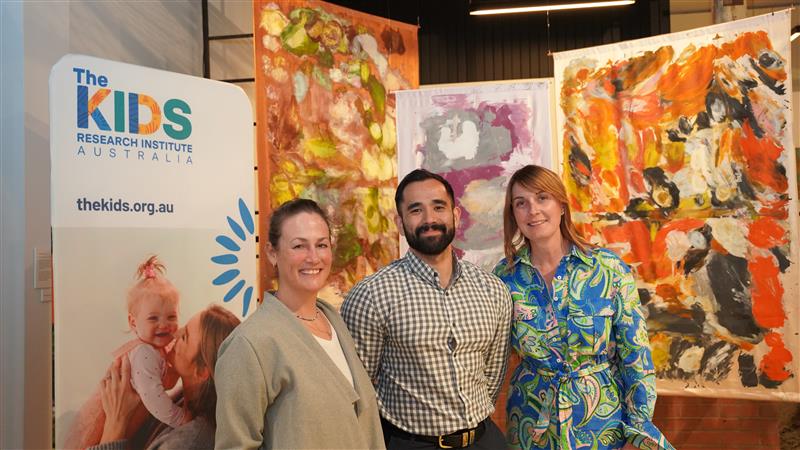
We’re delighted to invite you to join us and our Chair, Naomi Flutter, for Illuminate PitchFest 2026.
Ten of the best and brightest child health researchers will have the opportunity to pitch their innovative research projects to our supporter community.
Event details
Thursday 26 February 2026
Wesfarmers, Brookfield Place - Level 14, Tower 2
123 St Georges Terrace, Perth
Arrive at 6pm for a 6:30pm start
On the night, you will have the opportunity to vote for your favourite pitch, support our researchers and their work, and connect with other likeminded supporters who share our vision for happy healthy kids.
Meet the finalists
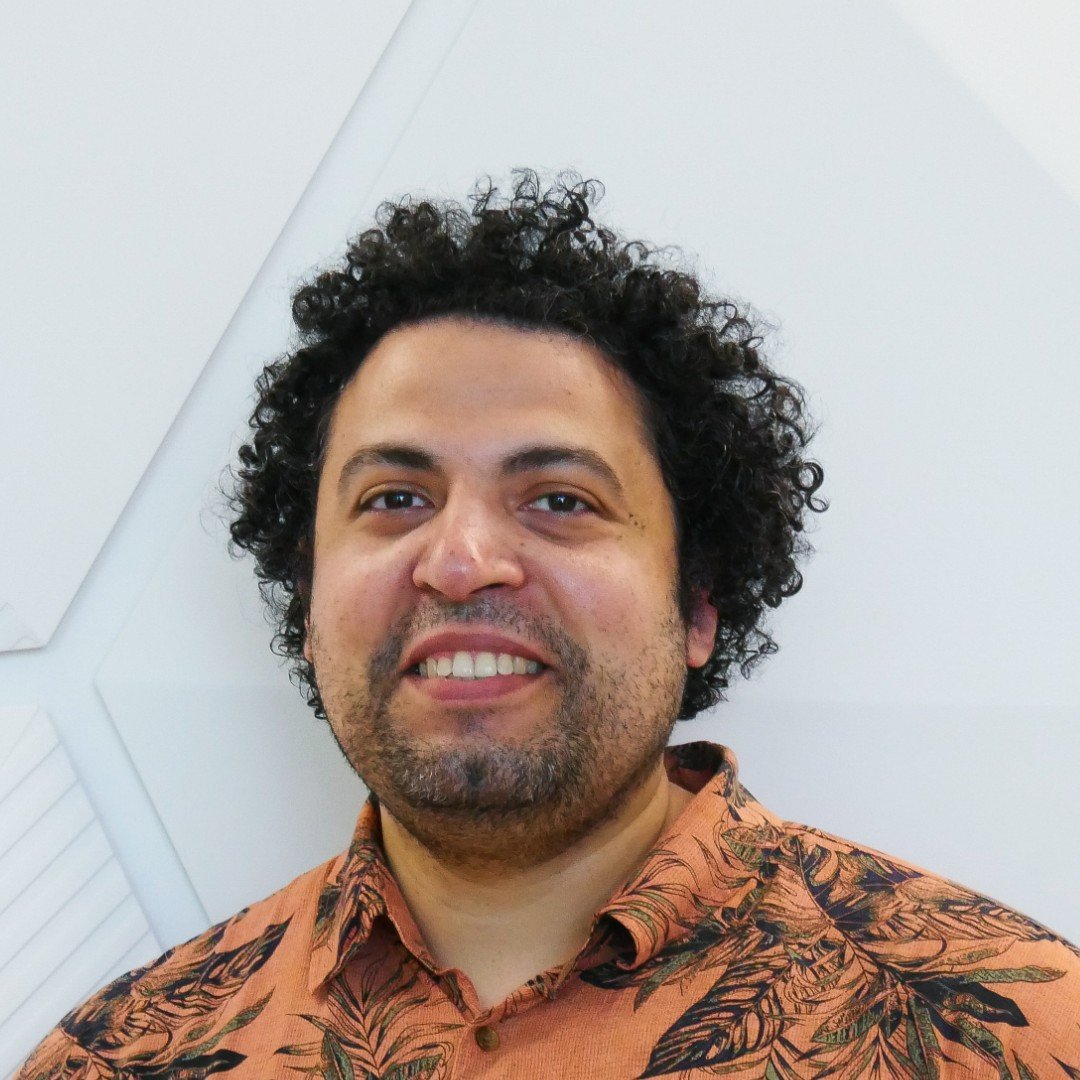
Dr Omar Elaskalani
Project title: Developing age‑tailored immunotherapies for childhood cancer
Research area: Chronic Diseases | Sarcoma
Immunotherapy works well in adults but often fails in children. Dr Omar Elaskalani studies why children’s immune cells behave differently and tire more quickly when fighting cancer. Using advanced technologies and paediatric‑specific models, his research aims to reprogramme immune responses to improve treatment effectiveness. His goal is to develop safer, longer‑lasting immunotherapies designed specifically for children, rather than adapted from adult cancer treatments.
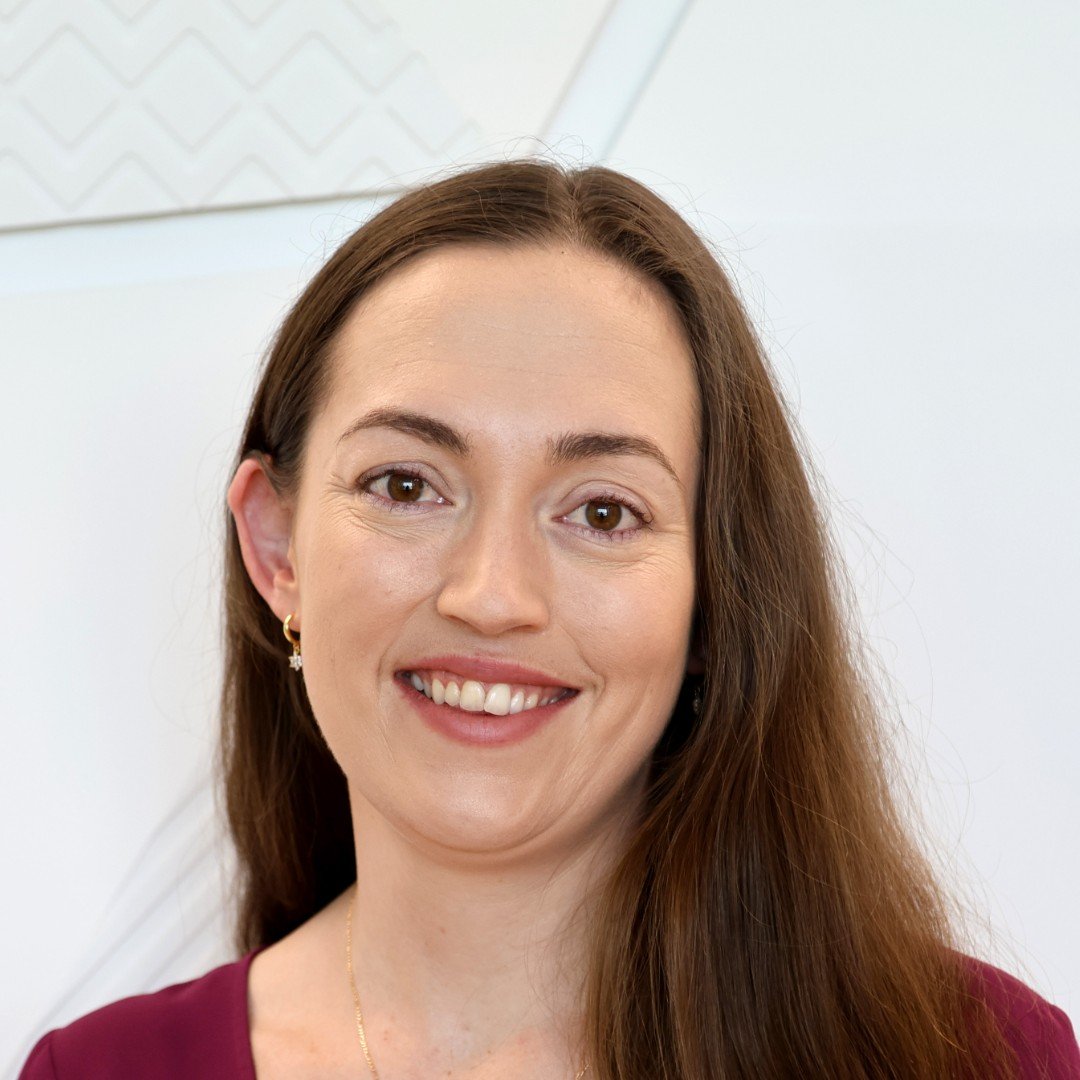
Dr Denby Evans
Project title: Preventing chronic lung disease in children born preterm
Research area: Strong Beginnings | Lung Disease
Children born preterm are far more likely to be hospitalised with respiratory infections and develop lifelong lung disease. Dr Denby Evans investigates how immune responses differ in people born early, and why infections lead to severe illness. By identifying harmful inflammatory responses, her research aims to inform new treatments that reduce hospitalisations and protect long‑term lung health for children born preterm.
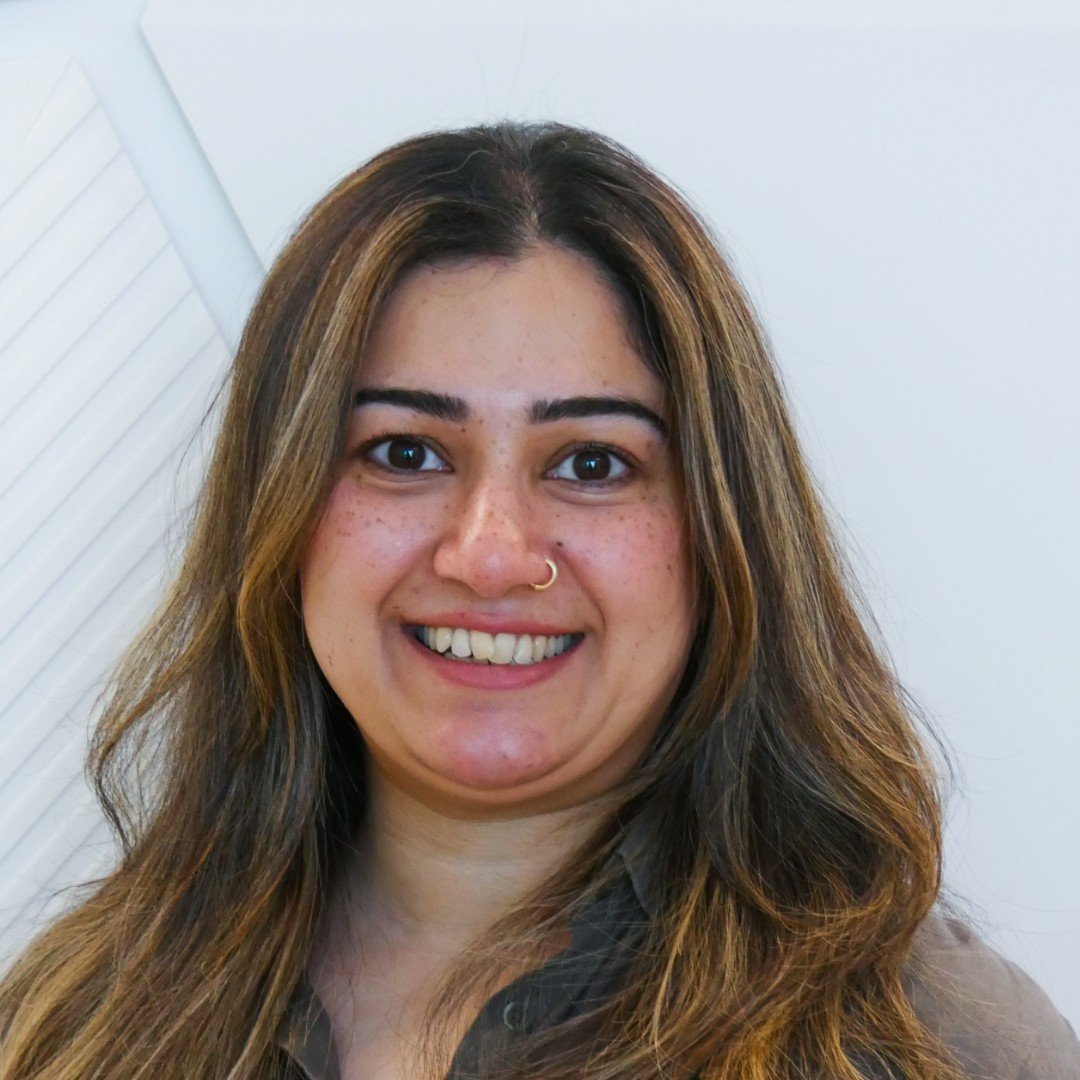
Dr Noor-Ul-Huda Ghori
Project title: Understanding why some children heal poorly after burns
Research area: Infectious Diseases | Healthy Skin
Some children recover well after burns, while others experience infection, repeated surgery and long‑term scarring. Dr Noor Ul Huda studies what happens inside burn wounds during early days post injury. By examining both microbes and the body’s immune response, her research aims to identify children at risk of poor healing and guide more personalised treatments to improve recovery and reduce long‑term complications.

Dr Thomas Iosifidis
Project title: From Womb to Wheeze: Preventing asthma before it starts
Research area: Chronic Diseases | Airway Epithelial
Asthma is a leading cause of hospitalisation for children, yet care is mostly reactive. Dr Thomas Iosifidis investigates whether asthma risk begins before birth and can be detected early. By studying placental tissue, his research aims to identify infants at risk and enable early prevention strategies, shifting asthma care from managing symptoms to preventing disease before it develops.

Dr Ezra Kneebone
Project title: Supporting children and families formed through surrogacy
Research area: Wellbeing & Mental Health | Human Development and Community Wellbeing
Families formed through surrogacy are increasing, yet little guidance exists to support children’s wellbeing. Dr Ezra Kneebone studies how children born through surrogacy experience conversations about their origins and what support families find helpful. Working closely with communities, her research aims to develop practical, evidence‑based resources that promote healthy development, reduce stigma and inform child‑centred law, policy and practice.

Dr Jonatan Leffler
Project title: Understanding genetic and environmental drivers of asthma risk in children
Research area: Strong Beginnings | Translational Immunology
Why some children develop asthma, while others do not, remains unclear. Dr Jonatan Leffler studies how genetics and environmental exposures influence immune responses linked to asthma. Using a unique twin cohort, his research separates inherited factors from environmental triggers such as infections. The findings aim to support new strategies that reduce asthma attacks and improve long‑term lung health in children.

Dr Kak Ming Ling
Project title: Reducing infection risk in cystic fibrosis through safer home water systems
Research area: Chronic Diseases | Airway Epithelial
People with cystic fibrosis can face added risks from bacteria that may be present in household water systems. Dr Kak Ming Ling’s research explores bringing hospital‑grade infection control into the home using advanced water filters and blue‑light technology. By reducing exposure to harmful pathogens during everyday activities, this work aims to lower infection rates, reduce hospital visits and improve quality of life.
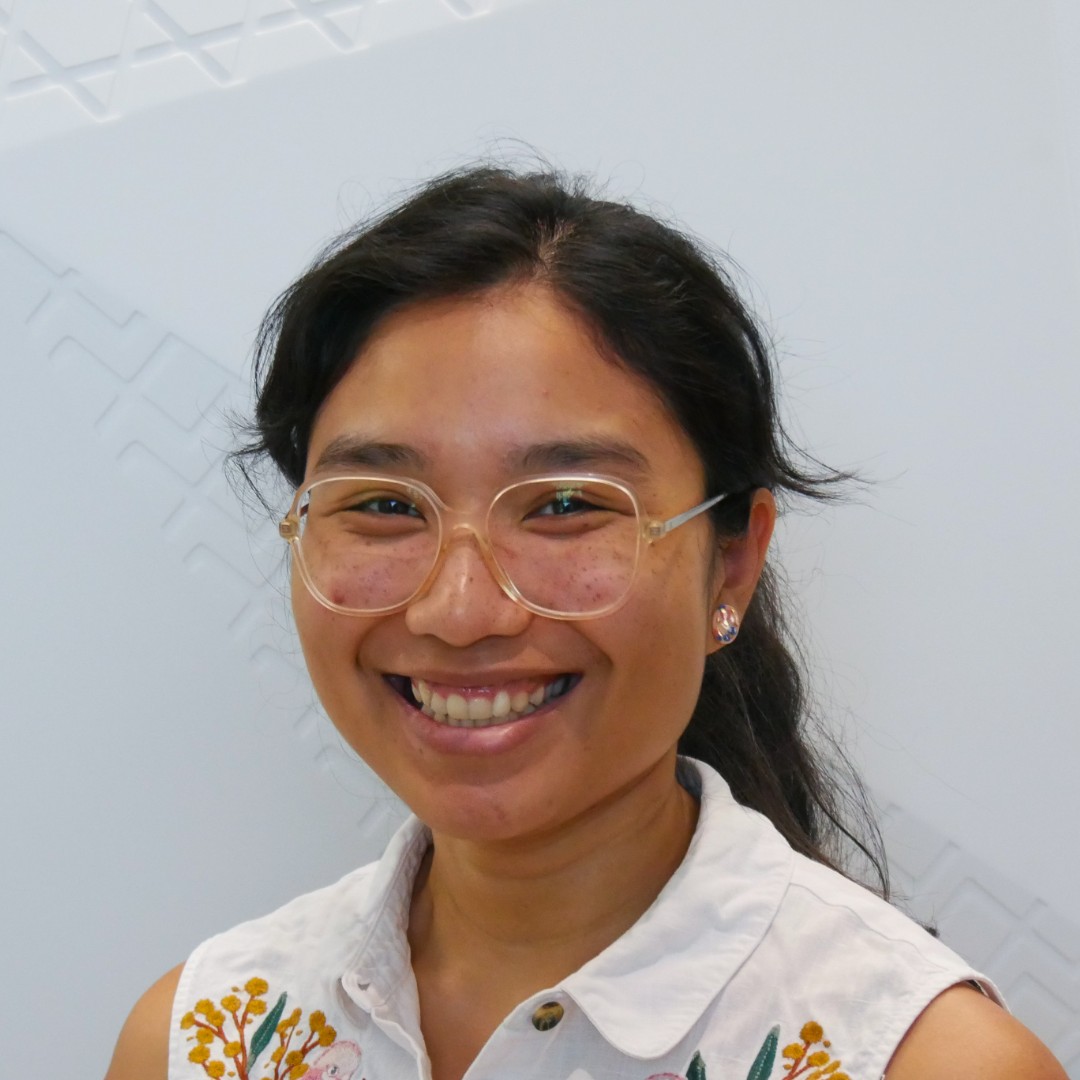
Ms Chitra Maharani Saraswati
Project title: Using disease modelling to reduce preventable childhood deaths from malaria
Research area: Infectious Diseases | Global Diseases Modelling
Despite major investment, malaria continues to kill thousands of children each day. Ms Chitra Maharani Saraswati uses mathematical modelling to understand how severe malaria causes death in young children, especially when combined with other illnesses. Paired with simulation tools, these understandings help decision makers target interventions and prevention tools more effectively, preventing avoidable childhood deaths.

Dr Tamara Veselinović
Project title: Improving early learning environments to support ear health and development
Research area: Strong Beginnings | Ear and Hearing Health
Ear disease and temporary hearing loss affect many Aboriginal and Torres Strait Islander children during early development. Dr Tamara Veselinović focuses on improving sound environments in early learning centres. Working in partnership with communities, her research tests practical changes that support listening and language development, helping reduce developmental delays and promote lifelong learning.

Ms Anita Williams
Project title: Building community‑led solutions to combat antimicrobial resistance in children
Research area: Infectious Diseases | Epidemiology
Antimicrobial resistance threatens children’s health, particularly those most vulnerable. Ms Anita Williams will focus on engaging communities to understand attitudes, knowledge and behaviours around antibiotic use. By co‑designing solutions with families, clinicians and policymakers, her research aims to support lasting behaviour change and ensure antimicrobial resistance prevention works in real‑world settings.
Pledge your support
Your generosity – at any level – helps drive research that matters. Any gift over $2,500 goes towards an Illuminate People’s Choice Award, and a named Illuminate Award is $25,000.
Pledge your support