
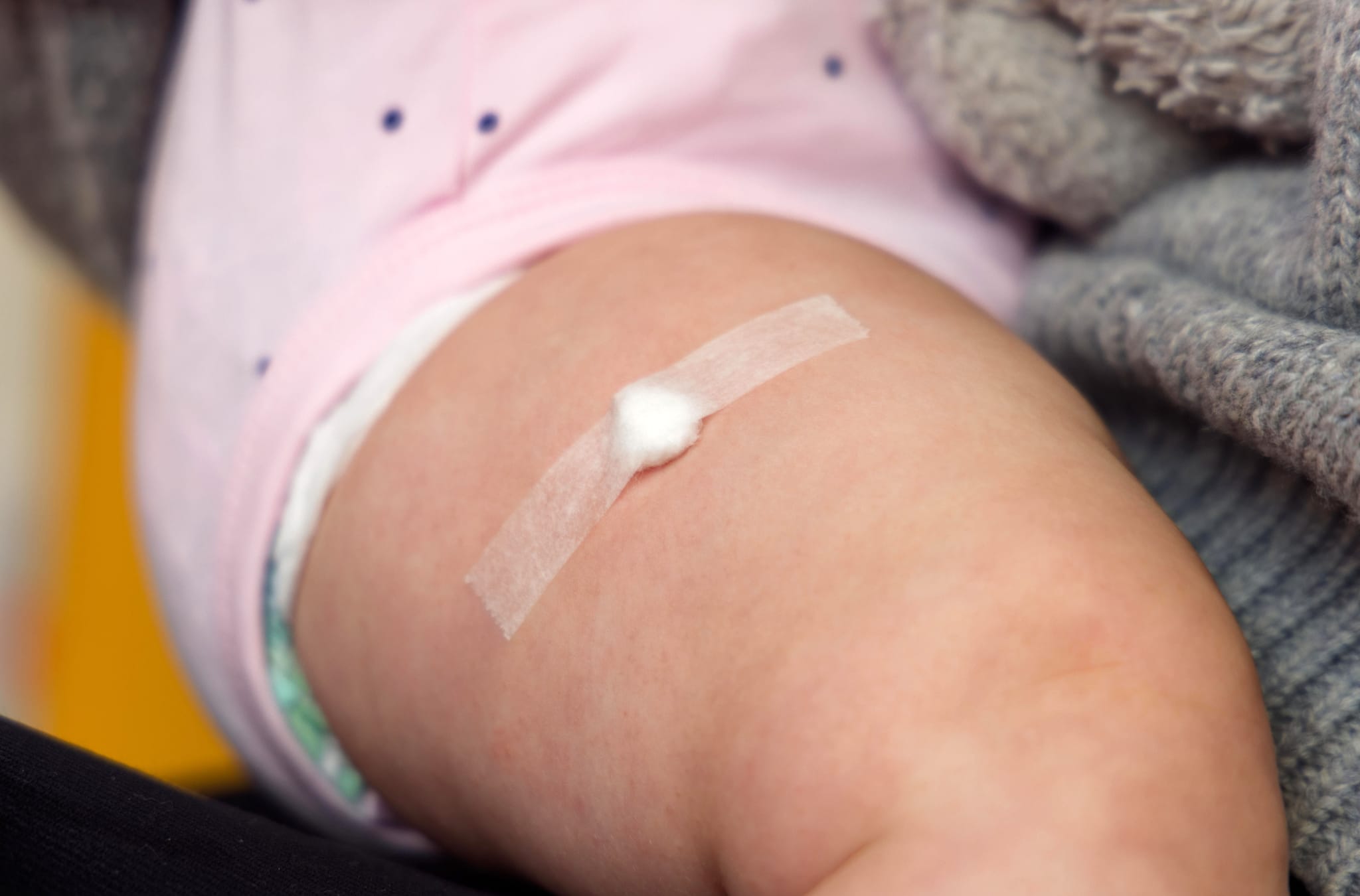
10,000 families participating in research by The Kids Research Institute Australia have demonstrated the effectiveness of a simple text message for increasing the number of children receiving their vaccinations on time.
Throughout 2021 – 2024, over 20,000 text messages were sent to Australian parents as part of the AuTOMATIC trial – thought to be the most automated clinical trial ever conducted.
In results published today in Lancet Regional Health, researchers discovered sending a text message ‘nudge’ reminding parents of upcoming vaccinations could potentially see an additional 35,000 kids nation-wide receiving their 18-month and four-year-old vaccines on time.
Professor Tom Snelling, Head of Infectious Disease Implementation at the Wesfarmers Centre of Vaccines and Infectious Diseases, based at The Kids, and Head of Health and Clinical Analytics at The University of Sydney, said that about 20 per cent of Australian children are late in receiving critical vaccinations.

“Previous research has shown us that parents are very supportive of vaccination and are most likely to complete the schedule on time through to 12 months old, but by 18 months and four years, many children begin to fall behind,” Professor Snelling said.
We understand that family lives are very busy, so we partnered with 20 general practice clinics across Australia to see if simple text message reminders could be an effective tool for prompting parents to book in for their child’s vaccinations.
“A unique aspect of this study was that every single element was designed to be digitally automated, from sending the SMS reminders right through to the data analysis – making this a simple, effective and low-cost strategy that could be easily implemented at GP clinics,” Professor Snelling said.
Researchers evaluated the effectiveness of sending the reminders at a variety of time periods before and after vaccinations were due, as well a different types of message content, and all were successful in increasing timely vaccination rates.
“The SMS reminders came directly from the GP clinics, and I believe this played an important role in the successful outcome as parents respond positively to a trusted, credible source of information.
“These results also suggest potential for using SMS reminders to improve health behaviors for other GP-led public health programs, like reminding people to undergo blood pressure checks or cancer screening,” he said.
Mrs Catherine Hughes, Honorary Community Co-Researcher at the Wesfarmers Centre and Executive Director of the Immunisation Foundation of Australia, said many parents are unaware of the importance of vaccinating their children on time.
“Australia’s National Immunisation Program has been expertly designed to ensure children receive maximum protection at the exact time they need it most, so delaying scheduled immunisations by weeks or months can leave a child at serious risk of life-threatening diseases,” Mrs Hughes said.
This is more important than ever in the current global situation, where vaccine hesitancy is growing and many countries around the world are losing their measles-free status - Australian toddlers receive full protection against measles at their 18-month immunisations so it is essential they receive it on time.
“In the future, I would like to see this strategy used to ‘nudge’ parents into accessing the flu vaccine, not just for their children but for themselves as well – this would go a long way in tackling the dangerously low uptake rates we are currently seeing,” Mrs Hughes said.
Read the paper online here: The AuTOMATIC trial: a multicentre digitally-automated, Bayesian, adaptive, parallel, factorial randomised controlled
trial of SMS reminders for childhood vaccination
First published Thursday 12 February 2026.
View all news articles