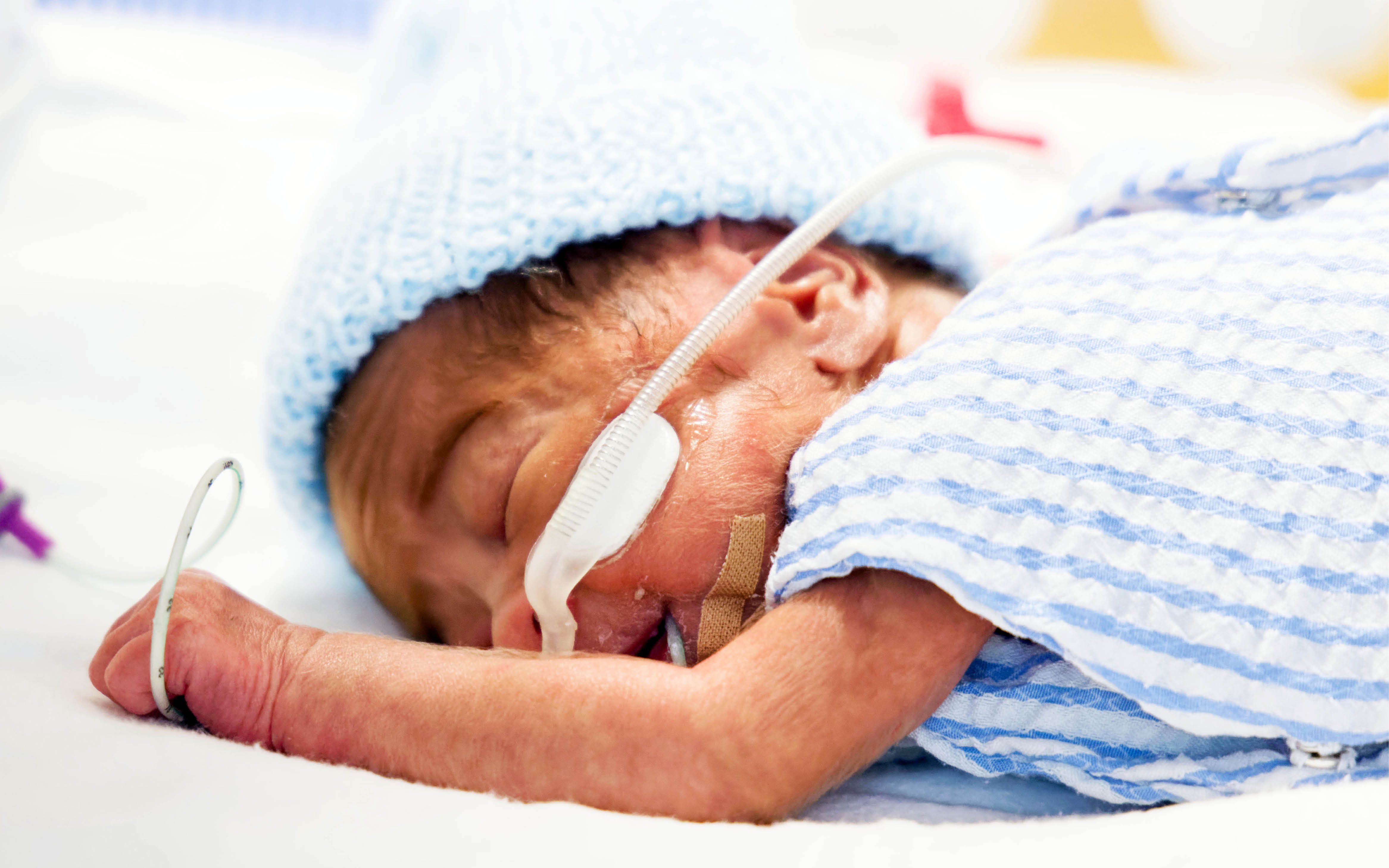
Neonatal Health projects
Featured projects
The COSI-2 Trial
August 2020
The PROTECT Trial
August 2020
Preterm babies have a heightened risk of infection as their immune system is not mature. The Neonatal Health Team is exploring new ways to diagnose, prevent and treat infections in WA's smallest patients .
The Neonatal Health Team, led by Clinical Professor Tobias Strunk and Dr Andrew Currie, forms part of the Wesfarmers Centre of Vaccines and Infectious Diseases, based at The Kids Research Institute Australia.
Dedicated to identifing new ways to diagnose, prevent and treat infections in the most vulnerable patients, the Neonate Team strives to provide newborn babies with the best possible start into life.
Preterm birth is defined as deliveries that occur before 37 weeks of pregnancy. In WA alone, nearly 3000 babies (approximately 1 in 12) are born preterm each year. Based on gestational age at birth, severity of prematurity is classified as:
Advancements in perinatal medicine now allows the survival of extremely preterm babies by developing outside of the womb for three to four months in highly sophisticated neonatal intensive care. Unfortunately, these babies are at high risk of infection as their immune system is still developing. Common complications of preterm birth include bloodstream infection (sepsis) and necrotising enterocolitis (an inflammatory condition of the gut) which trigger systemic inflammation and increase the risk immediate illness and long-term disability. Reducing infection and the associated inflammation significantly decreases neurodevelopmental impairment associated with this common complication in infants born too early.
Our infection and inflammation disciplines focus on:
In addition to the immune function, the skin of a premature baby, the first barrier against infections, is also immature. The earlier the baby is born, the more compromised the skin barrier, with extremely preterm babies having exquisitely thin and fragile skin. The Neonate Team are currently leading the COSI 2 Trial, a large, cluster-randomised trial conducted in neonatal intensive care units in Australia and New Zealand that investigates if applying topical coconut oil to the skin can reduce late-onset sepsis in extremely preterm infants.

MD, PhD, FRACP
Head, Neonatal Health
MD, FRACP, PhD, CCPU
MBA MClinEpi
Program Manager, Neonatal Health / Protect Trial
Neonatal Immunity and Infection
-
Dr Andrew Currie
Senior Research Fellow
Dr Simone Schueller
Consultant Neonatologist
Dr Chris Mullally
Post Doctorate Researcher
Dr Julie Hibbert
Post Doctorate Researcher
Eva Mowe
Clinical Research Officer
Isabella Joubert
PhD student
Mariam Doualeh
PhD student
Srushti Kasare
PhD student
Yen Kok
Research nurse
Alyssia Wishart
Student
Neonatal Gut Health, Nutrition and Development
-
Dr Gayatri Jape
Consultant Neonatologist
Clinical Associate Professor Mary Sharp
Consultant Neonatologist
Neonatal Health
-
Clinical Professor Sanjay Patole
Consultant Neonatologist
Clinical Associate Professor Shripad Rao
Consultant Neonatologist
Clinical Associate Professor Rolland Kohan
Consultant Neonatologist
Dr Deepika Wagh
Consultant Neonatologist
Dr Jason Tan
Consultant Neonatologist
Dr Sam Athikarisamy
Consultant Neonatologist
Dr Lakshmi Nagarajan
Consultant Paediatric Neurologist
Dr Aaron Raman
Research Scientist
Dr Gemma McLeod
Nutritionist
The COSI-2 Trial
August 2020
The PROTECT Trial
August 2020
Characteristics of uniphasic and biphasic anaphylaxis in infants and young toddlers: An analysis of clinical signs, predictors and management
Rates of anaphylaxis in early childhood are rising, yet there remains a paucity of data on age-specific presentations and outcomes. While prompt treatment is essential, symptoms can differ from older children. Observation after stabilization is routinely used; however, no infant and toddler-specific data guide the duration of monitoring. Identifying predictors of biphasic anaphylaxis could help guide observation times.
Dual RNA isolation from blood: an optimized protocol for host and bacterial RNA purification for dual RNA-sequencing analysis in whole blood sepsis samples
Dual RNA-sequencing (dual RNA-seq) holds significant promise for deciphering bacterial virulence mechanisms during systemic infections. However, its application in sepsis research is hindered by technical challenges, including a low bacterial burden in blood and limited sample volumes and RNA yield from vulnerable populations, such as neonates.
Outcomes of Preterm Infants Born at 22 to 23 Weeks' Gestation in 11 International Neonatal Networks
Postnatal intensive care for preterm infants born at 22 to 23 weeks' gestation is increasing, although survival rates remain low. Information on outcomes for multiple countries or regions can be important for research, benchmarking, quality improvement, and parental counseling.
Birth weight and head circumference for 22-29 weeks gestation neonates from an international cohort
Size at birth is a key indicator of in utero growth. Our objective was to generate sex-specific percentiles for birth weight and head circumference in neonates born between 22 and 29 weeks gestation from pregnancies without hypertension or diabetes and assess differences between vaginal and caesarean births and between singletons and twins.