
Chimeric antigen receptor (CAR)-T cell therapy has achieved remarkable success in B-cell malignancies, but its application in acute myeloid leukemia…
Childhood cancers are rare, but incidence has risen modestly in countries with robust registration, partly reflecting improved diagnosis. In high-inc…
Deliberate exposure to ionizing radiation during medical investigations, such as chest CT, should be as low as reasonably practicable to reduce the r…
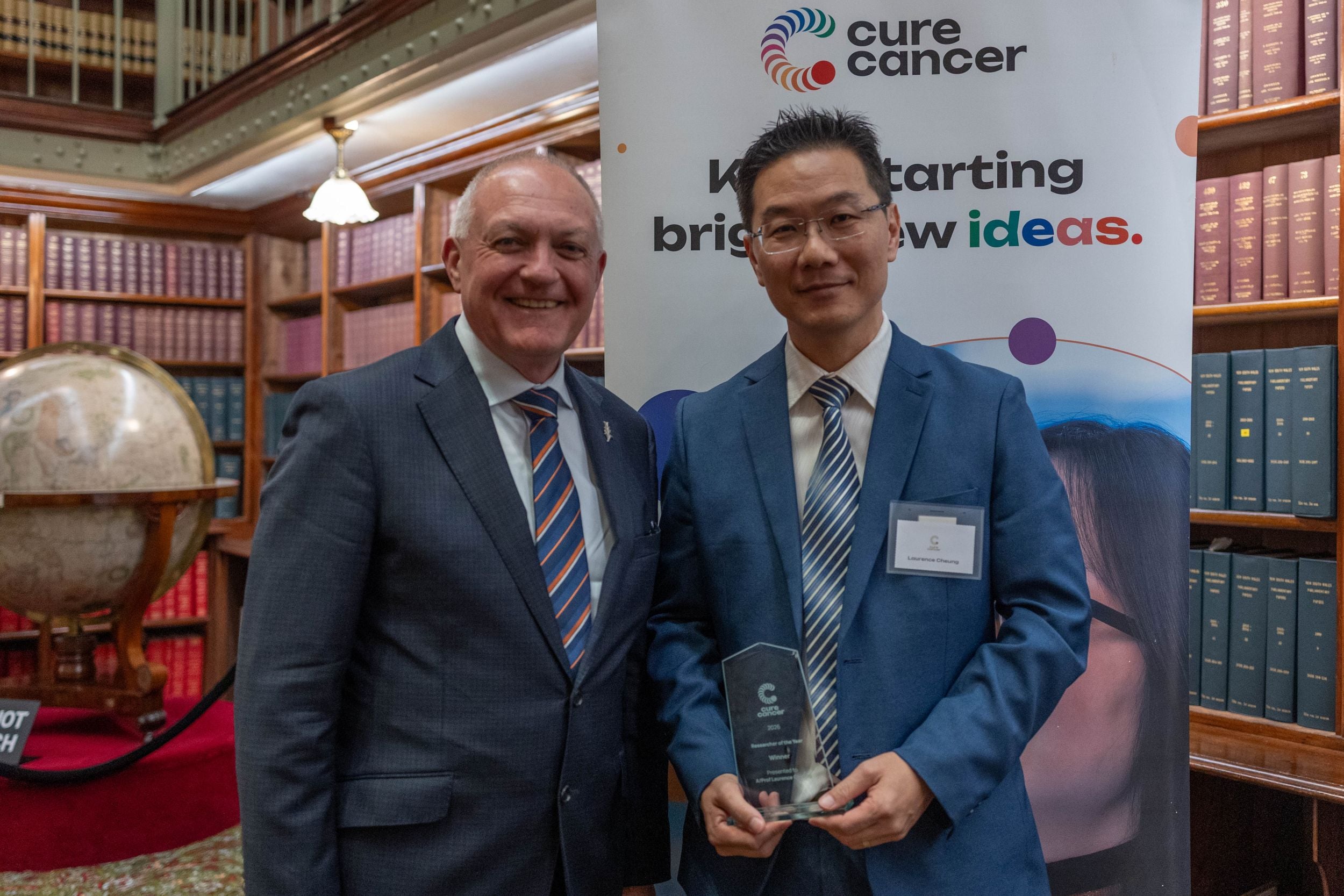
A leading WA cancer researcher has been named the Cure Cancer 2026 Researcher of the Year for his groundbreaking work in paediatric leukaemia.
Mesothelioma is a cancer derived from mesothelial cells, most commonly arising from the pleura or the peritoneum. Immune checkpoint therapy (ICT) has…
The investigation of ovarian development, dysfunction, and aging is essential for female reproductive health. Despite extensive research on the cellu…
Tertiary Lymphoid Structures (TLSs) are ectopic lymphoid aggregates that form within the tumor microenvironment (TME) and are increasingly recognized…
Aboriginal and Torres Strait Islander (hereafter respectfully named Indigenous) Australians are diagnosed with some cancers substantially more freque…
Risk factors for non-communicable diseases (NCDs, cardiovascular diseases, cancers, chronic respiratory diseases, diabetes, and mental disorders) ari…
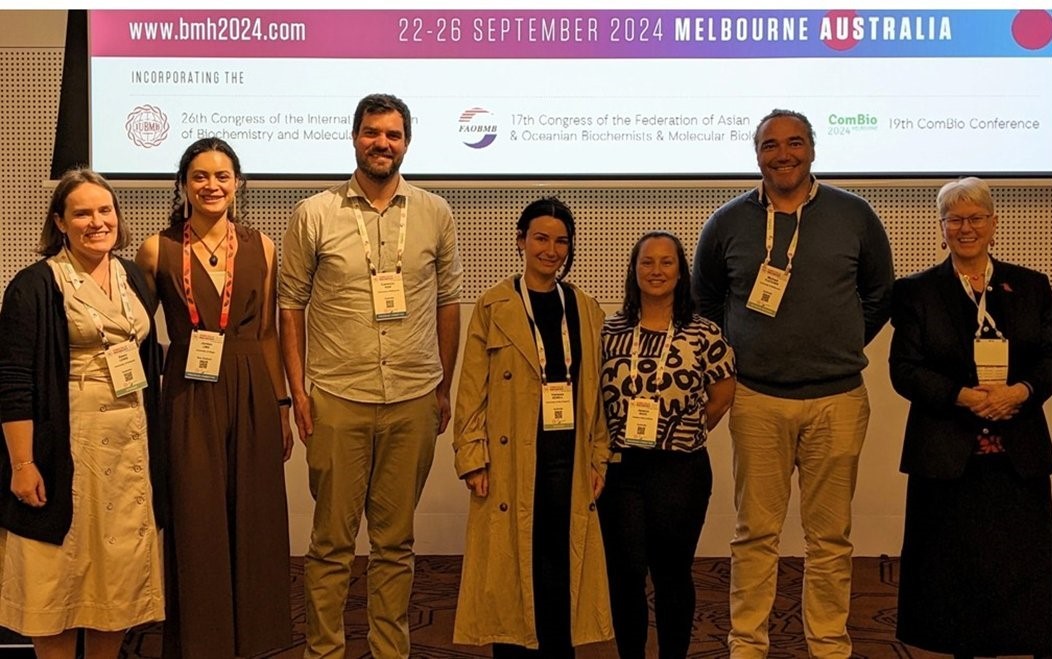
Dr Jessica Buck, a researcher at The Kids Research Institute Australia Cancer Centre and a Kamilaroi woman, is on a mission to address the unique cha…