
Search
Showing results for "preterm birth lungs"
A downward trend in rates of CP in those born extremely preterm was evident over at least three consecutive periods across all three regions.

New research from the Wal-yan Respiratory Research Centre points to a more accurate set of warning signs that can flag declining lung function years before it becomes serious.
Understand how bronchopulmonary dysplasia (BPD) and antenatal and postnatal factors influence diaphragmatic functional effectiveness in very preterm infants.
To assess whether lung volume and ventilation inhomogeneity in preterm infants at 15-18 months corrected age
This review aims to summarise and evaluate the potential mechanisms and evidence for the role of prenatal infection on the central nervous system, and how it...
Preterm birth is the leading cause of perinatal morbidity and mortality and is associated with adverse developmental and long-term health outcomes, including several cardiometabolic risk factors and outcomes. However, evidence about the association of preterm birth with later body size derives mainly from studies using birth weight as a proxy of prematurity rather than an actual length of gestation. We investigated the association of gestational age (GA) at birth with body size from infancy through adolescence.
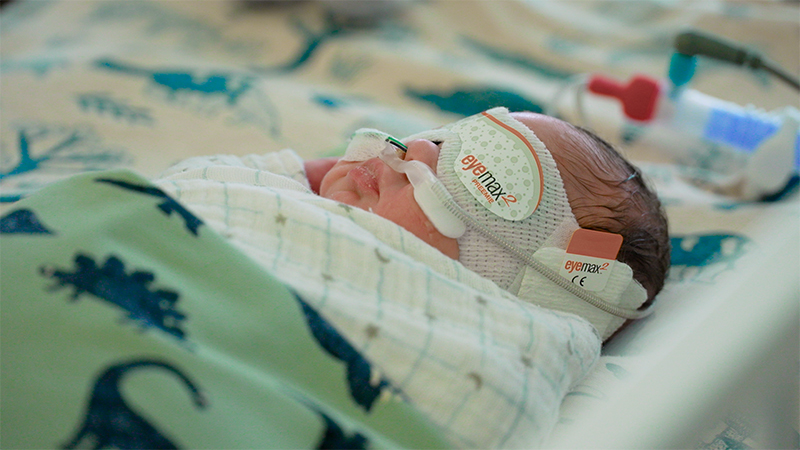
Researchers will fit nearly 500 preterm babies with tiny eye masks and earplugs for the study.
Since the first description of bronchopulmonary dysplasia (BPD), multiple definitions to diagnose BPD and its grading have been published. Several studies have compared the predictive performance of these definitions for long-term outcomes. The objective was to identify the BPD definition with the optimal predictive performance for long-term respiratory and neurological outcomes in preterm infants.
Lung inflammation and impaired alveolarization precede bronchopulmonary dysplasia (BPD). Glucocorticoids are anti-inflammatory and reduce ventilator requirements in preterm infants. However, high-dose glucocorticoids inhibit alveolarization. The effect of glucocorticoids on lung function and structure in preterm newborns exposed to antenatal inflammation is unknown. We hypothesise that postnatal low-dose dexamethasone reduces ventilator requirements, prevents inflammation and BPD-like lung pathology, following antenatal inflammation.
Children born preterm have impaired lung function and altered lung structure. However, there are conflicting reports on how preterm birth impacts aerobic exercise capacity in childhood. We aimed to investigate how neonatal history and a diagnosis of bronchopulmonary dysplasia (BPD) impact the relationship between function and structure of the lung, and aerobic capacity in school-aged children born very preterm.