
The burden of bronchiectasis is disproportionately high in Aboriginal adults, with early mortality. Bronchiectasis precursors, that is, protracted ba…
Children typically experience more mild symptoms of Coronavirus Disease 2019 (COVID-19) when compared to adults. There is a strong body of evidence t…
Australian First Nations children are at very high risk of early, recurrent, and persistent bacterial otitis media and respiratory tract infection. W…

World-first immunisations providing protection against deadly respiratory syncytial virus (RSV) could be just months away thanks to global research e…
Appropriate innate immune function is essential to limit pathogenesis and severity of severe lower respiratory infections (sLRI) during infancy, a le…
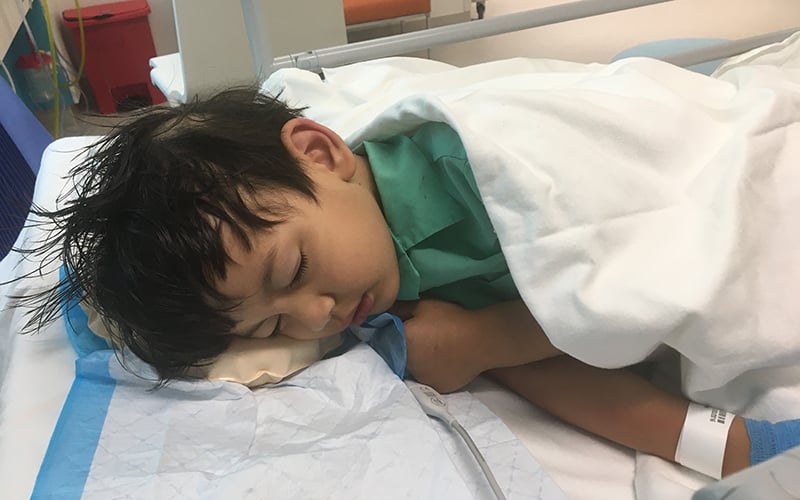
Charlie, 6, has ended up in hospital twice with invasive Strep A infection over his short lifetime – the first time when just three years old.
Age-specific definitions for acute respiratory distress syndrome (ARDS) are available, including a specific definition for neonates (the "Montreux de…
Respiratory viruses are increasingly detected in children with community-acquired pneumonia but prevalence estimates vary substantially. We aimed to…
Results from recent clinical studies suggest potential efficacy of immune training (IT)-based approaches for protection against severe lower respirat…
Respiratory syncytial virus (RSV) and influenza are important causes of disease in children and adults. In Australia, information on the burden of RS…