
Search
Showing results for "autism"
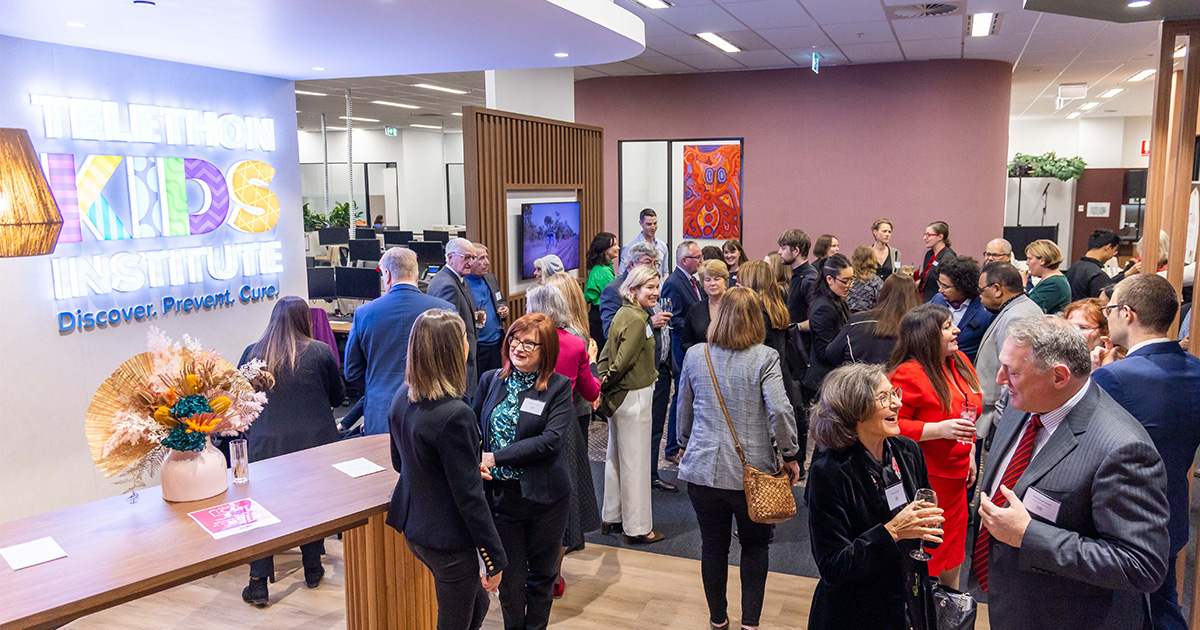
The Kids Research Institute Australia's Adelaide facility has been officially opened by South Australian Premier Peter Malinauskas.
A new study has found children with disabilities are 3 times more likely to be maltreated compared to other children but that risk varies by type of disability.
One of the most traumatic injuries a child can experience is a severe burn. Despite improvements in medical treatments which have led to better physical outcomes and reduced mortality rates for paediatric burns patients, the psychological impact associated with experiencing such a traumatic injury has mostly been overlooked. This is concerning given the high incidence of psychopathology amongst paediatric burn survivors.
The objective of this paper was to measure changes in caesarean delivery rates for primiparous women in Western Australia during 1995–2010 stratified by...
Despite the various traumatic events that a young person living with type 1 diabetes (T1D) may experience, little is known about the burden and manifestation of traumatic stress in this population. Though mental health outcomes have been explored generally, medical trauma-sensitive approaches to understanding these experiences remain limited. We utilised a qualitative descriptive approach to explore the impact of T1D on young people’s mental health through the paediatric medical traumatic stress model.
Gastrostomy is increasingly used in multiple neurological conditions associated with intellectual disability, with no apparent accessibility barriers
Individuals with borderline personality disorder (BPD) are at a substantial risk of harm to themselves and others, experience high levels of functional impairment and typically are high users of tertiary healthcare to address their mental health concerns. As indicators for BPD typically emerge in adolescence, a day therapy service in Bentley, Western Australia, Touchstone Child and Adolescent Mental Health Service (CAMHS), was developed as an intensive intervention for adolescents with indicators for BPD and its associated symptomology.
Amy Keely Liz Megan Asha Finlay-Jones Bebbington Davis Ansell Parkinson BPsych(Hons), MPsych(Clinical), MHealthEcon, PhD (Clin Psych) MClinPsych/PhD

In this blog, Clinical Psychology Lead Dr Mei’en Lim offers families advice on how to navigate COVID-19 with an autistic child.
In this blog, Senior Speech Pathologist Sally Grauaug and Speech Pathology Clinical Lead Aria May discuss the use of visual supports.