
Search
Showing results for "preterm birth lungs"
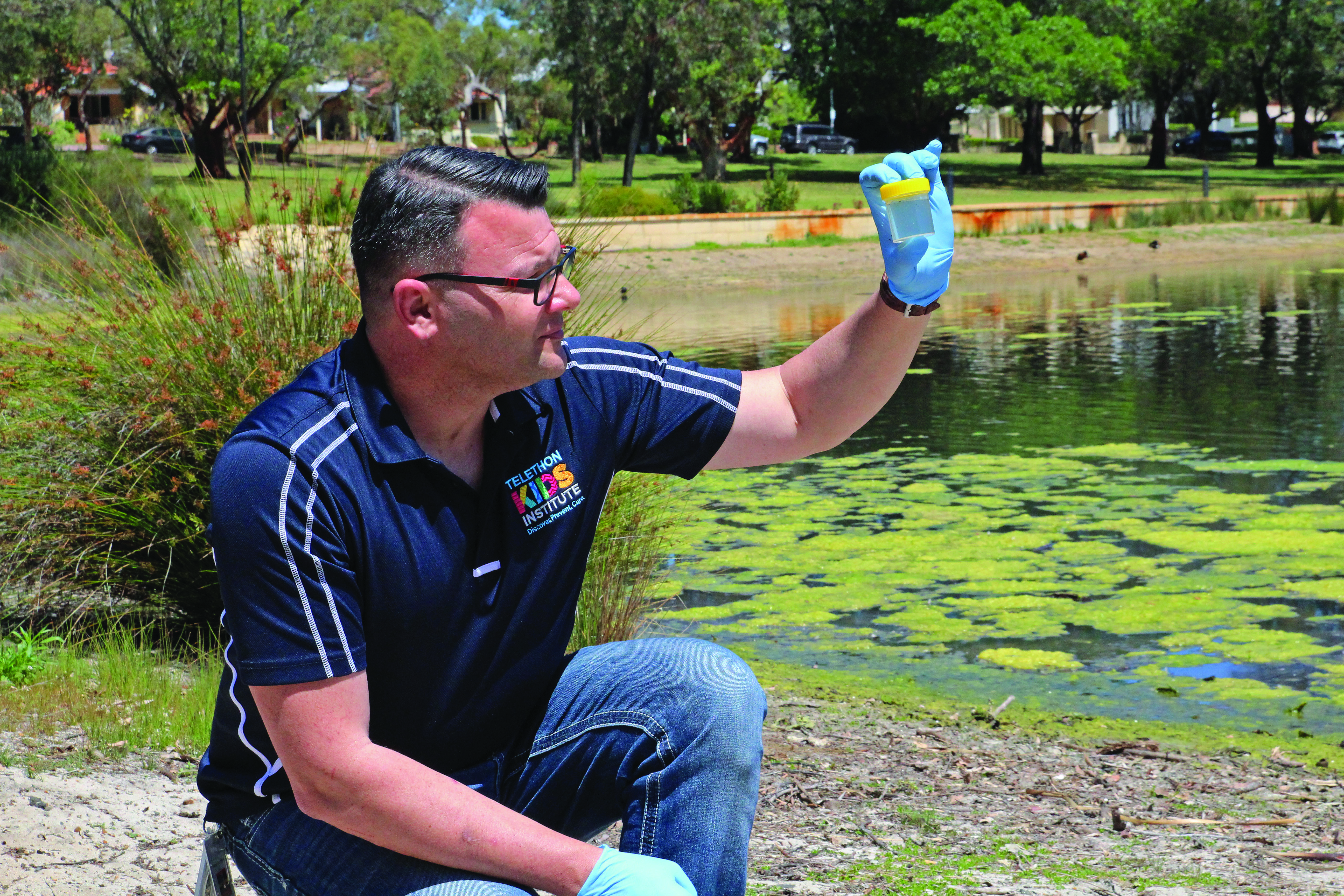
Perth researchers discovered a naturally occurring virus living in the city’s waterways that could potentially fight antibiotic-resistant superbugs.
Rachel Foong BSc (hons), PhD, MBiostat Honorary Research Associate 08 6319 1626 Rachel.Foong@thekids.org.au Senior Research Fellow Dr Foong is an
To assess how prenatal screening and diagnostic testing have impacted the diagnosis, termination and birth prevalence of Down syndrome in Western Australia...
A severe neurodevelopmental disorder mostly affecting girls.

Senior Principal Research Fellow; Director, FASD Research Australia

Celebrating 50 years of collaboration between Telethon and ORIGINS.
Our studies show that Vegf-d promotes oedema in response to hyperoxia in mice and support the hypothesis that VEGF-D signalling promotes vascular leak in human HALI.
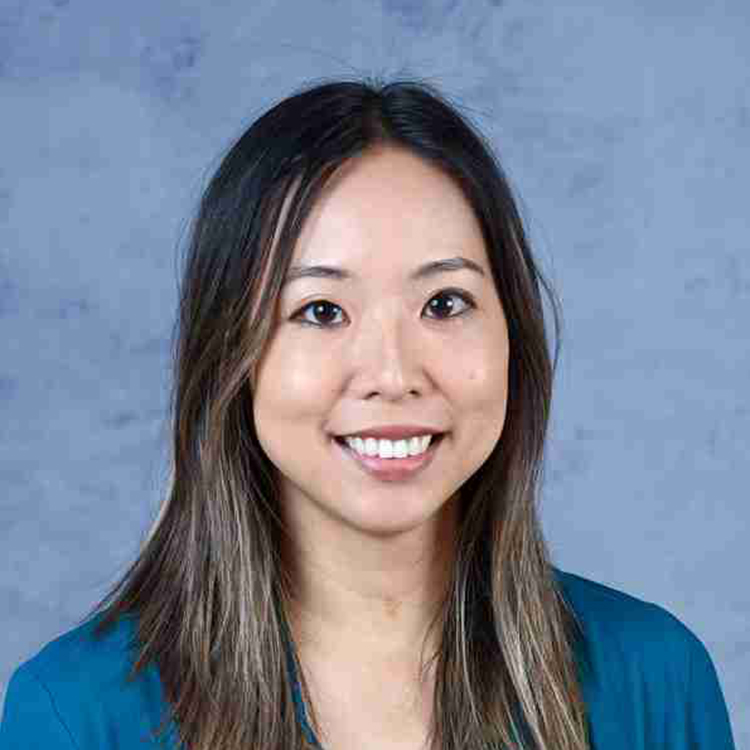
Senior Research Fellow
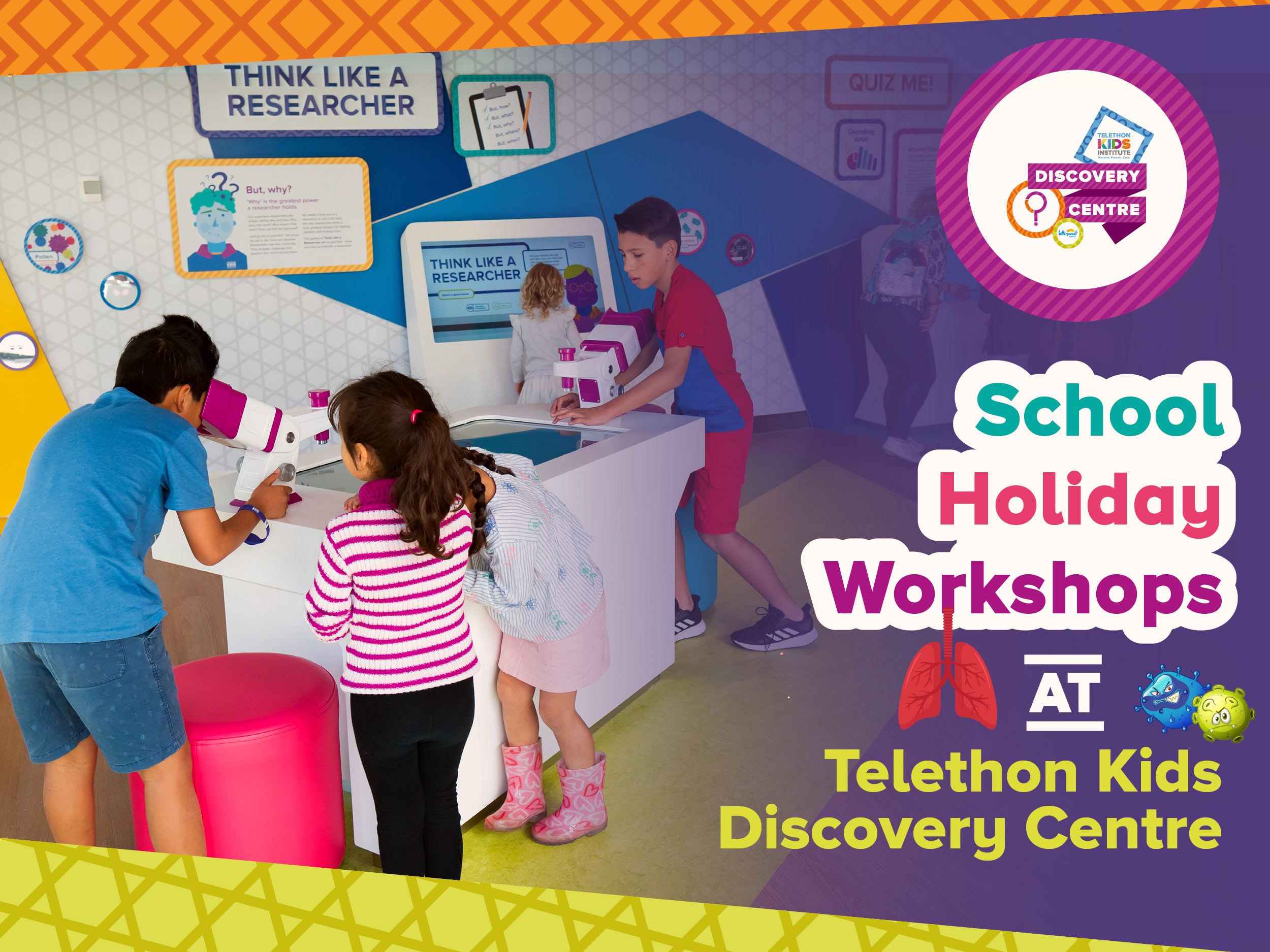
The The Kids School Holiday Workshops are back on this January holidays with a bigger and bolder program of fun and educational workshop for kids!
Maintaining sufficient vitamin D is necessary for optimal lung health, and vitamin D may modulate the lung microbiome in a sex-specific fashion