
Search
Showing results for "clinical trials"
The DiabHQ Patient Portal App is coming soon!
Communication impairments are a leading concern for parent caregivers of individuals with rare neurodevelopmental disorders. Clinical trials of disease modifying therapies require valid and responsive outcome measures that are relevant to individuals with RNDDs. Identifying and evaluating current psychometric properties for communication measures is a critical step towards the selection and use of appropriate instruments.

Engaging the community in COVID-19 rapid research
Combination antibiotic therapy with an antitoxin agent, such as clindamycin, is included in some guidelines for severe, toxin-mediated Staphylococcus aureus infections. The evidence to support this practice is currently limited to in vitro, animal and observational human case-series data, with no previous randomized controlled trials (RCTs).
The monoclonal antibody, palivizumab is licensed for use in high-risk infants to prevent severe illness caused by respiratory syncytial virus (RSV). The level of its use and compliance with current jurisdictional guidelines which were amended in 2010, is unknown.
Palivizumab appeared effective for reducing virologically confirmed respiratory syncytial virus in this high-risk cohort
To assess the relative effectiveness of topical versus systemic antibiotics for people with chronic suppurative otitis media
Vitamin D status in early life has been linked to the risk of allergic disease in multiple observational studies.
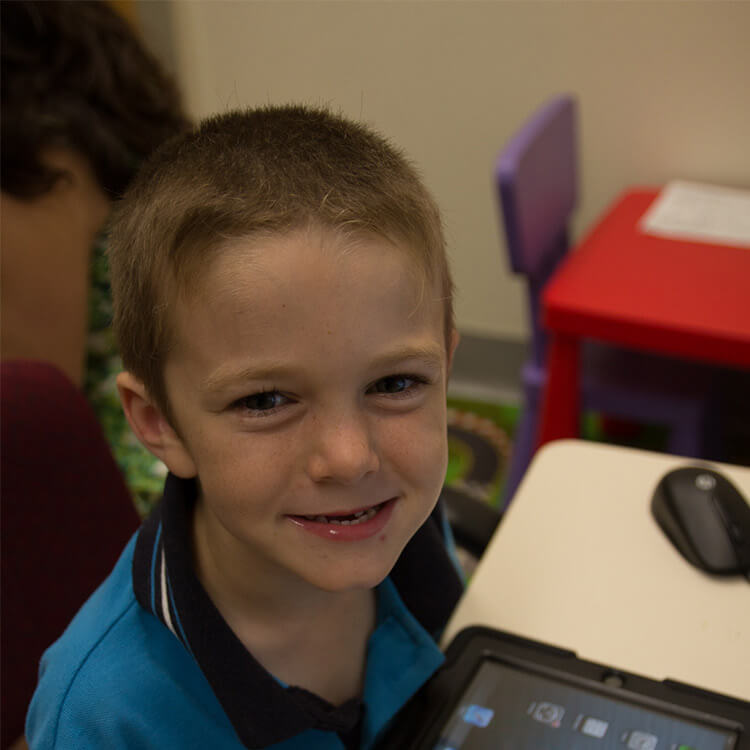
What would you discover to help a child? At The Kids, our researchers are committed to Autism research that makes a real difference.

The Rio Tinto Children’s Diabetes Centre; a JDRF Global Centre of Excellence announces inaugural funding for researchers dedicated to type 1 diabetes.