
Search
Showing results for "preterm birth lungs"
This review discusses early brain development and the etiological factors that may give rise to atypical developmental trajectories, along with neuroimaging insights
Existing quality of life scales for children in the general population or with other disabilities did not capture the QOL of children with Rett syndrome
With advances in perinatal care, we have achieved major reductions in mortality in premature and critically ill infants, but they still remain at increased risk of neurodevelopmental disability. In this context, recent advances in neuroimaging are perceived as an addition of significant value to current clinical developmental screening programs.
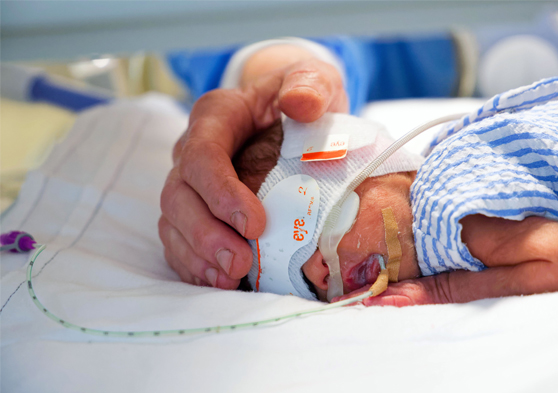
The CIRCA DIEM Study is a clinical research study being coordinated by the Chronobiology Team at The Kids Research Institute Australia, who are based in Perth, Western Australia and involving research teams from around the world.
Neonatal sepsis is a deadly disease with non-specific clinical signs, delaying diagnosis and treatment. There remains a need for early biomarkers to facilitate timely intervention. Our objective was to identify neonatal sepsis gene expression biomarkers that could predict sepsis at birth, prior to clinical presentation.
Developmental Coordination Disorder is a lifelong disability impacting most aspects of daily living that involve movement. With an estimated prevalence of ~5% of children, the disorder affects an average of one to two children in every Australian classroom.
Abnormally formed lower limbs with varying degrees of fusion are the major feature of sirenomelia whereas maldeveloped lower limbs without fusion are found in a
To establish baseline prevalence of neural tube defects (NTDs) prior to mandatory folic acid fortification in Australia.
We investigated whether children who are heavier at birth have an increased risk of type 1 diabetes
A programme of monitoring mandatory fortification has been established in Australia.