
Search
Showing results for "8"
The Koolungar (children) Moorditj (strong) Healthy Skin project is the first ever co-designed research-service Australian study to describe skin health in urban-living Aboriginal koolungar.
Kaal is a proud Noongar boy, he loves playing football, but this season Kaal is about to tackle a new and unexpected challenge… eczema.
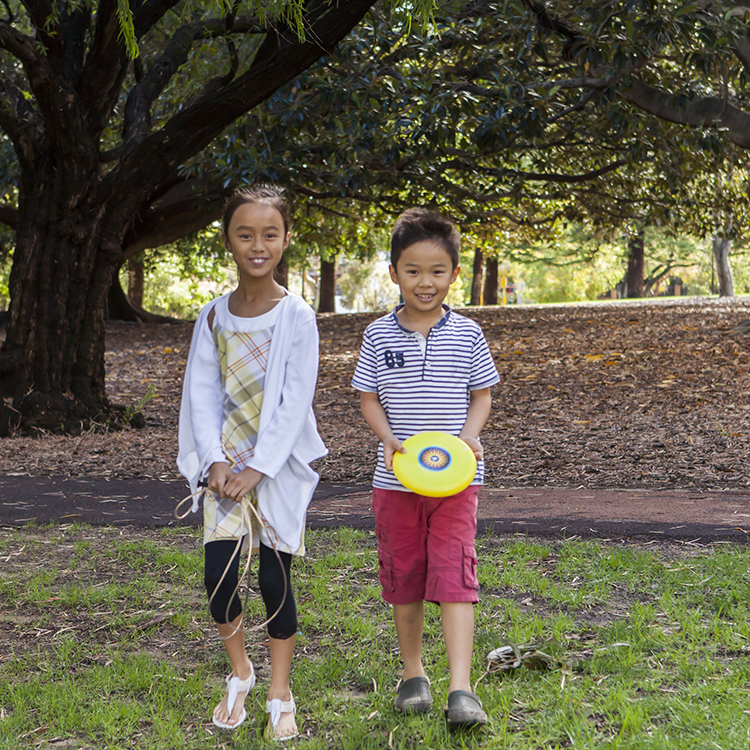
Our Child Health Analytics Team uses cutting-edge technologies to better understand how and why the health and wellbeing of children varies from place to place. We develop innovative geospatial methods that can harness large, complex datasets to pinpoint hotspots of elevated risk, evaluate change through time, and explore underlying drivers.
Publications, papers and findings coming out of ORIGINS and its sub-projects
Bullying is now regarded as a health problem and not just a disciplinary problem. Increasing evidence shows both traditional bullying (e.g. hitting, teasing) and cyberbullying have lasting effects on young people (both those who bully and those who are bullied), including damage to self-esteem, academic results and mental health.
The science that interprets the way nutrients and other substances in food affect maintenance, growth, reproduction, health and disease.
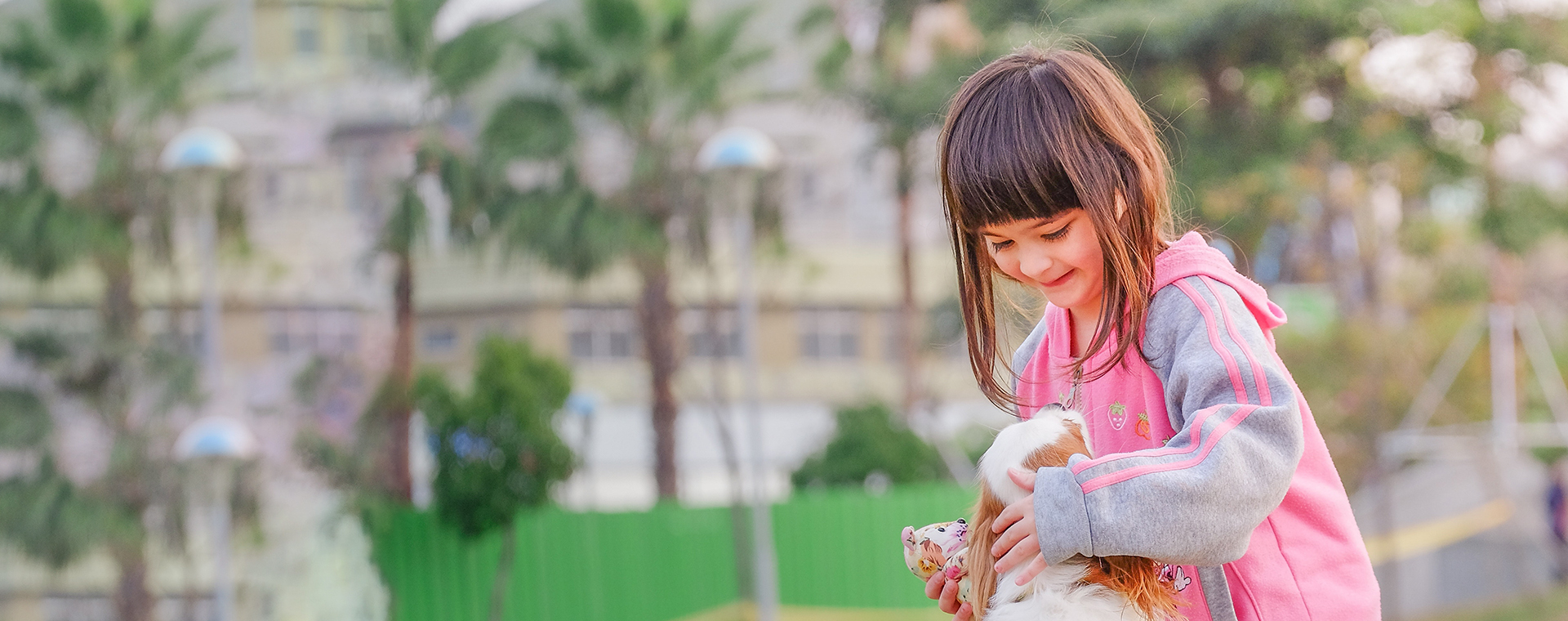
With rising levels of physical and mental health issues, ensuring children establish good physical activity behaviours early in life is more important than ever.
One in eight children have asthma, a chronic disease of the airways in the lungs. It results in shortness of breath, chest tightness, wheezing and coughing.
The Wal-yan Respiratory Research Centre is made up of multi-disciplinary teams that are committed to improving the lives of children and their families living with respiratory disease.
Language is one of the most remarkable developmental accomplishments of early childhood. Language connects us with others and is an essential tool for literacy, education, employment and lifelong learning.