
Search
Showing results for "early lung health"
Our studies show that Vegf-d promotes oedema in response to hyperoxia in mice and support the hypothesis that VEGF-D signalling promotes vascular leak in human HALI.
Commentaries on Viewpoint: Standards for quantitative assessment of lung structure. Instillation fixation and overinflation of the mouse lun
In partnership with local Aboriginal Community Controlled Health Organisations, the Elder-led co-designed Koolungar Moorditj Healthy Skin project is guided by principles of reciprocity, capacity building, respect, and community involvement. Through this work, the team of Elders, community members, clinicians and research staff have gained insight into the skin health needs of urban-living Aboriginal koolungar (children); and having identified a lack of targeted and culturally appropriate health literacy and health promotion resources on moorditj (strong) skin, prioritised development of community-created healthy skin resources.
Health service utilisation in this setting may be enhanced by improving general awareness of the significance of childhood skin infections

Are you pregnant, a parent or a carer of a child aged 0 to 8 years and live in Western Australia? Help us deliver a new early years app.

The Australian Early Development Census National Conference 2015 will be held from 18-20 February 2015.
Male babies that do not have good fetal growth or are exposed to their mothers' smoking are more likely to have a lower sperm count as adults.
We wanted to compare the frequency of fracture episodes, and factors associated with a fracture, in females with Rett syndrome, compared to general population.
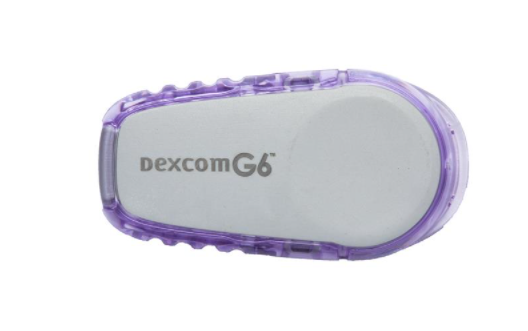
The Dexcom G6 Early Access Program has so far been a huge success. The program commenced in May, and offered early access to the Dexcom G6 system to eligible patients.
This study demonstrates that exercise is achievable and has positive effects on vascular function, submaximal fitness, local strength and physical activity in a population of AYA survivors of pediatric oncology related cerebral insult