
Our findings provide some evidence of an association between maternal smoking during pregnancy and Neuroblastoma

clinical practice, driving a new research agenda for childhood lung health. Bringing together clinicians, scientists
that environmental insult during the in utero and early life periods has the potential to modulate the fetal ... enhancing the risk for allergic asth…
committed to research that addresses the major childhood issues and translating the results into real outcomes ... affect us in adulthood, have their…
are dedicated to tackling the major causes of childhood disease, disability and disadvantage. Our research
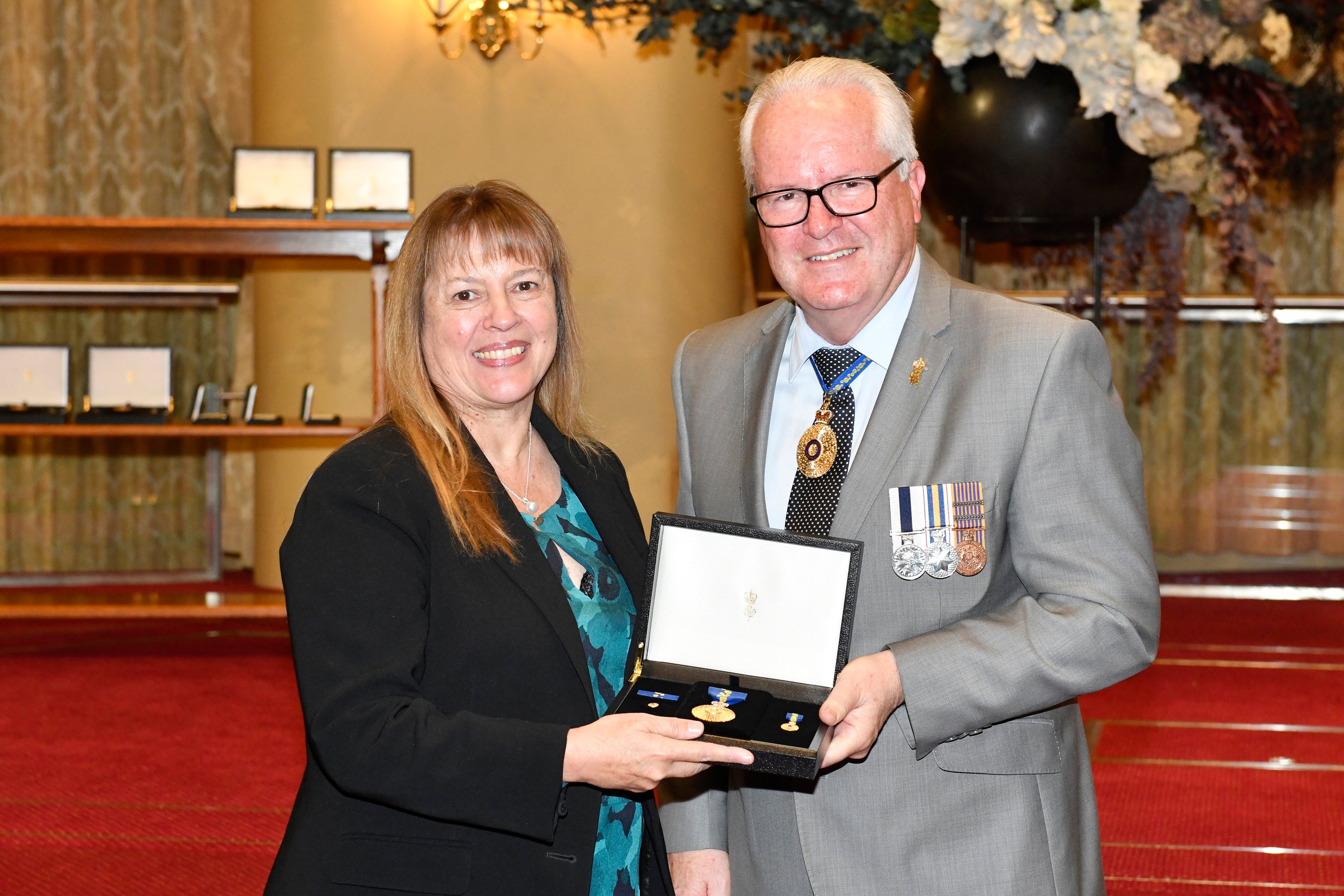
Institute Australia, where she primarily investigates childhood trauma. She also serves as the Stan Perron Chair ... Chris Dawson APM, who visited Em…

research is focused on understanding the causes of childhood hearing loss, including otitis media (a disease ... a TEDxPerth speaker and the WA Premi…
The SNP-based heritability for ADHD symptom scores indicates a polygenic architecture, and genes involved in neurite outgrowth are possibly involved
significant implications in that it could provide an early intervention to prevent some language difficulties ... found no association between Vitami…
was founded with the aim of preventing major childhood diseases and disorders. To do that, it's essential ... great economic and social benefits in f…