
Search
Showing results for "early lung health"
The Western Australian paediatric ESCALATION system, integrating family involvement, promotes early recognition and response to a hospitalised child's deteriorating health. This study aimed to understand healthcare professionals' experiences of Aboriginal parent/carer involvement in detecting clinical deterioration in the hospital.
Skin infections affect physical health and, through stigma, social-emotional health. When untreated, they can cause life-threatening conditions. We aimed to assess the effect of a holistic, co-designed, region-wide skin control programme on the prevalence of impetigo.
most children report mental health and well-being, but the population distribution spanned the full range of possible scores on every construct.
We’ve heard from families that trustworthy information about preterm-associated lung disease is difficult to find. In response, we’ve created resources to empower families with the knowledge they need to manage these challenges.
Cystic fibrosis (CF) lung disease commences early in the disease progression and is the most common cause of mortality.
Addressing the recognized challenges and inequalities in providing high quality healthcare for rare diseases such as children's interstitial lung disease (chILD) requires collaboration across institutional, geographical, discipline, and system boundaries. The Children's Interstitial Lung Disease Respiratory Network of Australia and New Zealand (chILDRANZ) is an example of a clinical network that brings together multidisciplinary health professionals for collaboration, peer learning, and advocacy with the goal of improving the diagnosis and management of this group of rare and ultra-rare conditions.
Research assistant on clinical trial to treat depression in young people
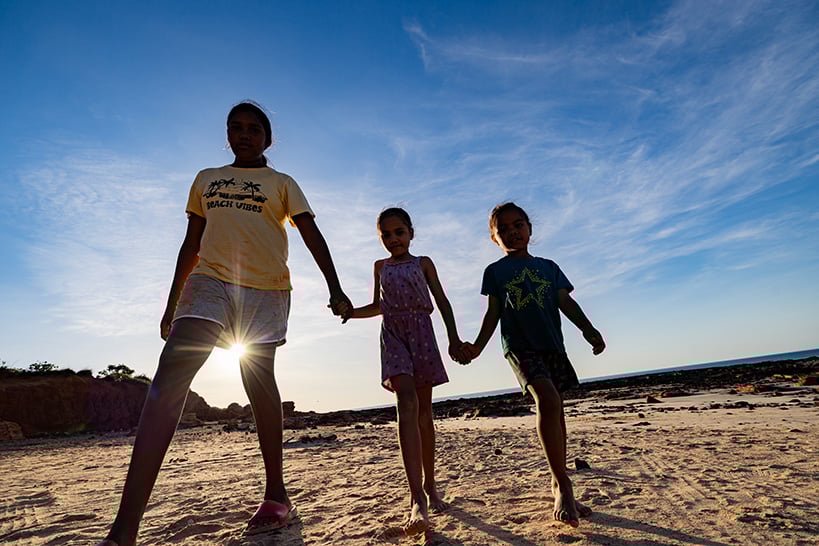
Aboriginal health is everyone's business. The needs of Aboriginal and Torres Strait Islander families and kids is integrated into all relevant areas of our work. Improving the health and wellbeing of Aboriginal and Torres Strait Islander kids and families is an overarching priority for every team at The Kids.
Culturally safe healthcare approaches are important to improve outcomes of Indigenous people. Non-Indigenous clinicians are often ill-prepared to provide such healthcare. The NHMRC Centre for Research Excellence (CRE) especially for First Nations Children has been studying for several years how to improve clinical care for Indigenous children with respiratory disease in hospital, clinic, urban, rural and remote settings.
Leaders from the Canadian Society for Exercise Physiology convened national representatives to create the C24 movement for Children and Youth.