
Search
Showing results for "mental health aboriginal"
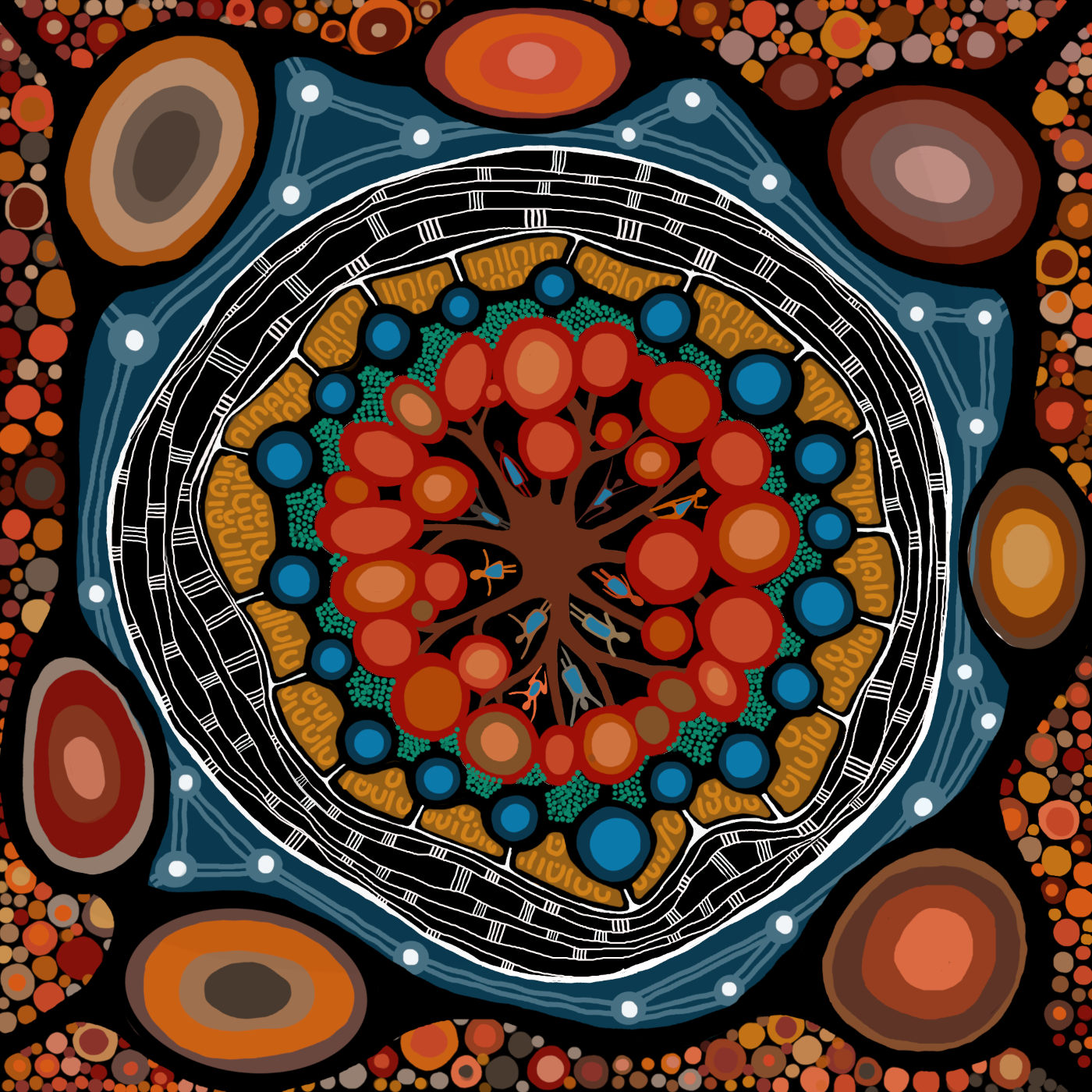
Find our booklet on Social and Emotional Wellbeing on this page
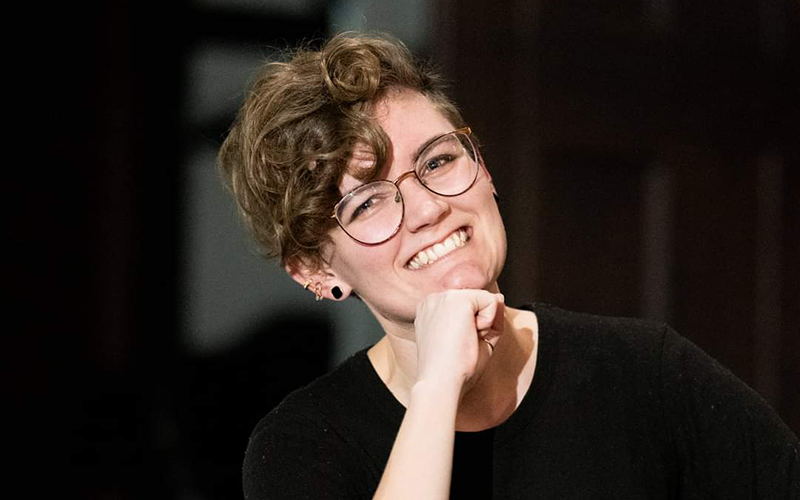
Shakara Liddelow-Hunt secured STARS funding to attend a two-day workshop, Start Talking About Relationships & Sexual Health Training.
Trans adolescents experience and anticipate stigma to the detriment of their mental health; however, trans adolescents have rarely been consulted about their stigma experiences. This study aimed to understand trans adolescents’ lived experiences of experienced and anticipated stigma.
The PLAYCE study will empirically investigate the relative and cumulative influence of the day care, and home environment on preschoolers’ physical activity
Shortage of ear, nose, and throat specialists in public hospitals can result in delays in the detection and management of otitis media. This study introduced a new hospital-based telehealth service, named the Ear Portal, and investigated its role in improving access to specialist care.
Siblings of children with neurodevelopmental conditions have unique experiences and challenges related to their sibling role. Some develop mental health concerns as measured by self-reported surveys or parent report. Few data are available at the population level, owing to difficulties capturing wide-scale health data for siblings. Data linkage is a technique that can facilitate such research.
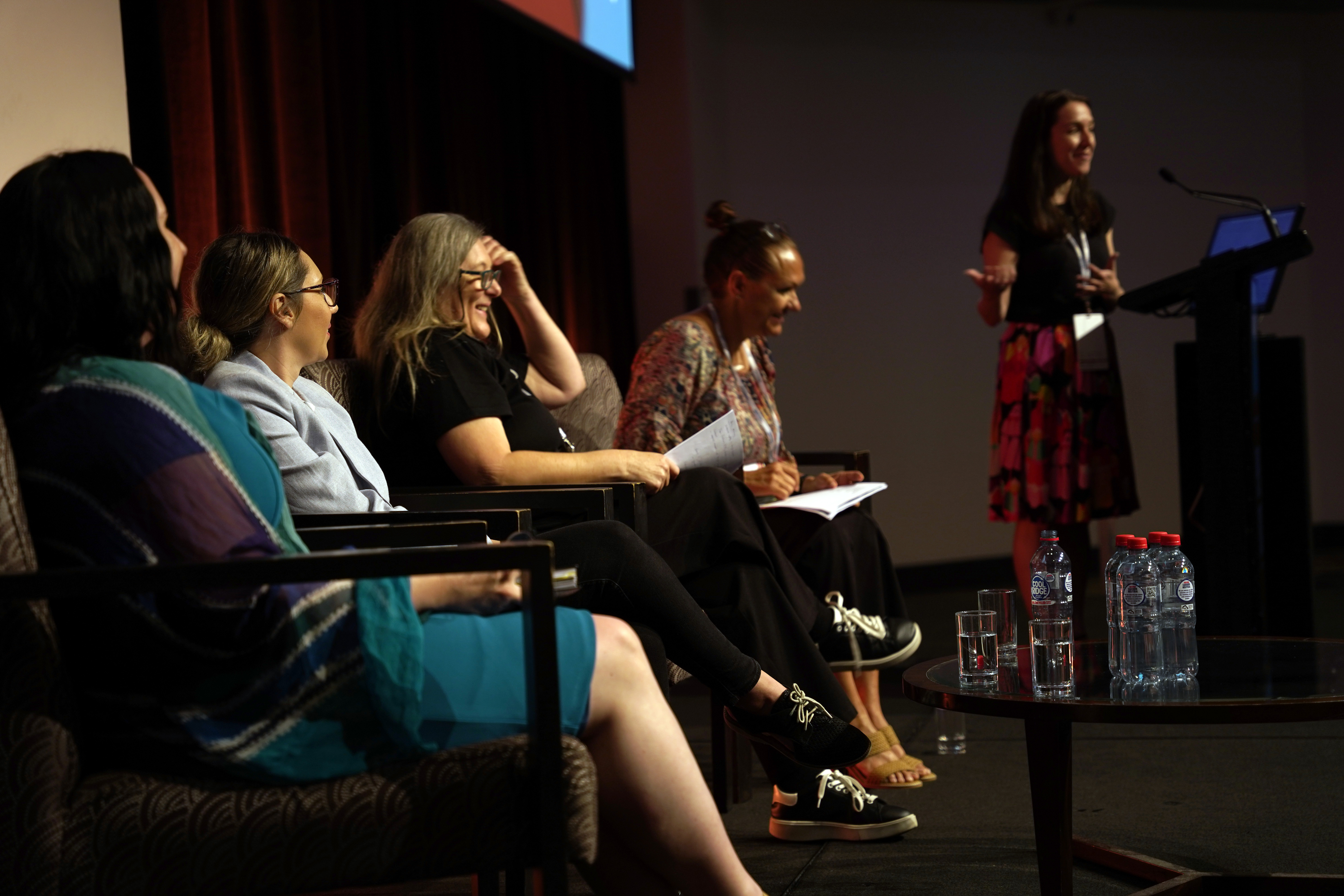
Associate Professor Bep Uink and Head of Kulunga Aboriginal Unit Cheryl Bridge watched on by Associate Professor Yael Perry at the SMHR conference.
Yael Penelope Keely Bep Amy Helen Perry Strauss Bebbington Uink Finlay-Jones Milroy BPsych (Hons) MPsych (Clin) PhD BA, MPH, PhD MClinPsych/PhD

Co-Director, ORIGINS
Pregnancy, childbirth, and motherhood can involve many new challenges.