
Search
Showing results for "mental health aboriginal"
Amy Yael Asha Finlay-Jones Perry Parkinson BPsych(Hons), MPsych(Clinical), MHealthEcon, PhD (Clin Psych) BPsych (Hons) MPsych (Clin) PhD BPsych (Hons
In this project, we aim to understand how mindfulness, compassion, and related constructs are experienced by Aboriginal people in the Kimberley region of Western Australia.
Blood glucose management around exercise is challenging for youth with type 1 diabetes (T1D). Previous research has indicated interventions including decision-support aids to better support youth to effectively contextualize blood glucose results and take appropriate action to optimize glucose levels during and after exercise. Mobile health (mHealth) apps help deliver health behavior interventions to youth with T1D, given the use of technology for glucose monitoring, insulin dosing, and carbohydrate counting.
A balanced approach toward sun exposure and protection is needed by young people. Excessive sun exposure increases their risk for skin cancers such as melanoma, whereas some exposure is necessary for vitamin D and healthy bones. We have developed a new iOS smartphone app-Sun Safe-through a co-design process, which aims to support healthy and balanced decision-making by young teenagers (aged 12-13 years).
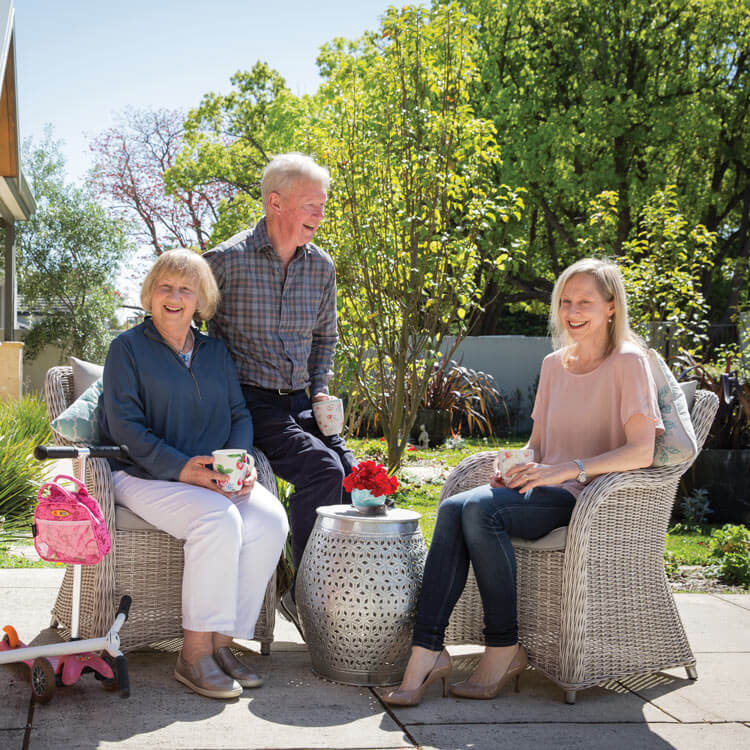
The Imogen Miranda Suleski Fellowship is an annual award for early-career post-doctoral researchers at The Kids Research Institute Australia.

Summer heatwaves and hot weather can affect anyone.
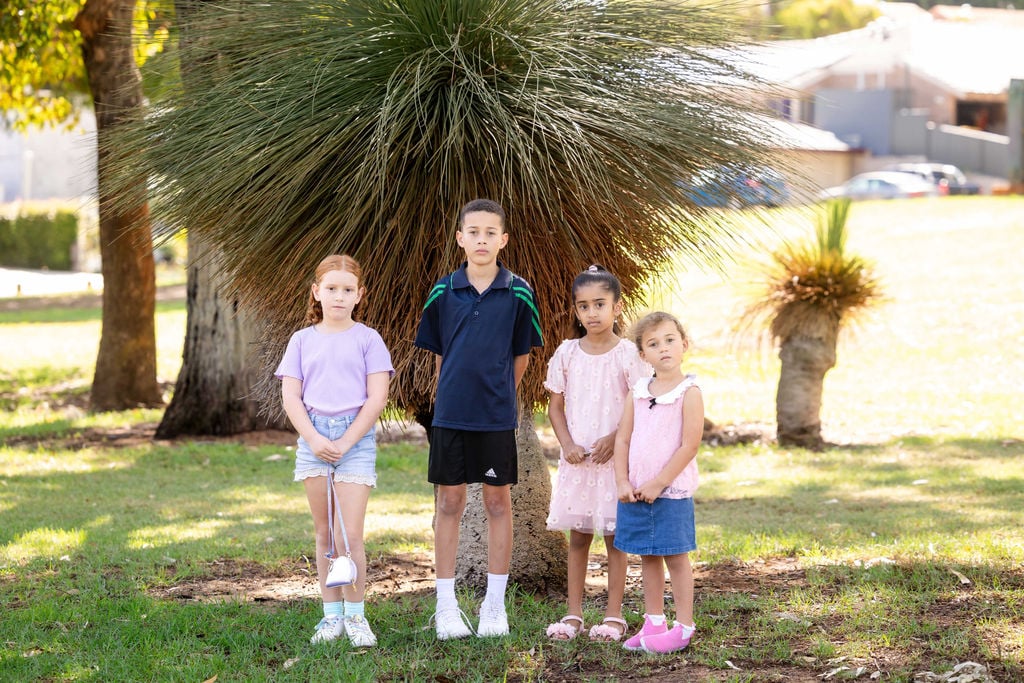
This sub-project aims to fill the gap in knowledge of the effects of climate change on child health and wellbeing in Australia, and to propose data-driven adaptation trials to counter the most serious impacts.

The Advancing Innovation in Respiratory (AIR) Health Team is a multi-disciplinary group with skills in clinical medicine, physiology, psychology, and in cellular and molecular biology, that are committed to improving the lives of children with respiratory diseases and their families.

PhD Candidate
Although school-based delivery of online interventions can effectively prevent depression and other common mental disorders, little is known about the characteristics of students who engage with these programs. This study aimed to identify predictors of two indicators of adolescent engagement (program usage and skill enactment) with a school-based online depression prevention program. The study also explored the association between skill enactment and mental health outcomes.